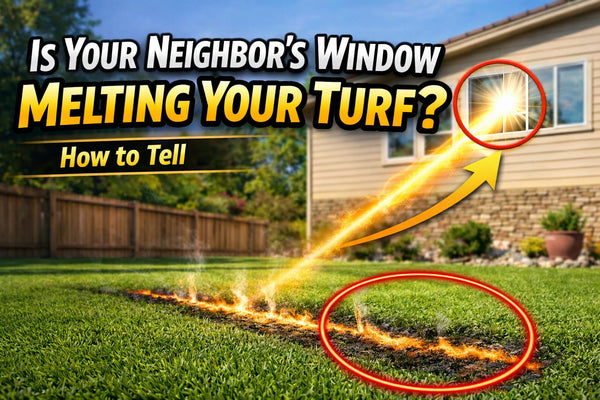
🛑 STOP Your ARTIFICIAL TURF from MELTING 🔥 Do-It-Yourself Window Film Solution 😎

Did Your Windows Melt the Vinyl Siding of Your Neighbor?

Evidence shows that energy-efficient windows have melted the vinyl siding. When the sunbeam hits the Low-E coating, it intensifies the reflected sunlight, causing it to burn the next-door cladding. However, we are not discouraging you from using Low-E windows. Some structures need these windows to save electricity. After all, the primary purpose of this is to reduce power consumption.

Furthermore, melted vinyl siding only occurs when the perfect storm strikes, which is a rare event. Still, you need to apply some melting vinyl siding solutions so that you will not distort your neighbor’s wall.

What Causes the Sunbeam?

The National Association of House Builders (NAHB) believe that the alterations in air pressure can bend the Low-E glazing inward. If this happens, the curved glass magnifies the reflected heat that can reach up to 200 degrees. However, the vinyl siding melting point ranges from 160-165oF or 71-73oC. Hence, if the temperature exceeds that limit, it could cause the cladding to distort.

How Are the Manufacturers Dealing With This Issue?

Vinyl siding companies have kept their hands off of this problem. They have modified their warranty claims so that they no longer need to deal with vinyl siding melting.

What to Do When Your Windows Melt the Siding of Your Neighbor?

There are several solutions for melted vinyl siding. It depends on whether you are the victim or the perpetrator. If you are the victim, you need to replace your wall with a heat-resistant vinyl siding. Its melting point can reach up to 220 degrees, which is higher than the temperature of reflected heat. However, you need to have a budget as it is three times more expensive than the standard PVC cladding.

However, if your windows are causing the damage, then you should block the light beam from hitting your windows. You can place an awning on top of your existing list.

However, if you are looking for a solution that does both, then you should opt for perforated window film. These products diffuse the reflected sunlight; hence, reducing glare. Moreover, the film used by these window screens distributes the heat evenly. With this solution, you no longer need to do some melted vinyl siding repair.

You can get all these window film benefits and more with Turf Guard Window Film. Visit our website and learn how our products stop melted vinyl siding.
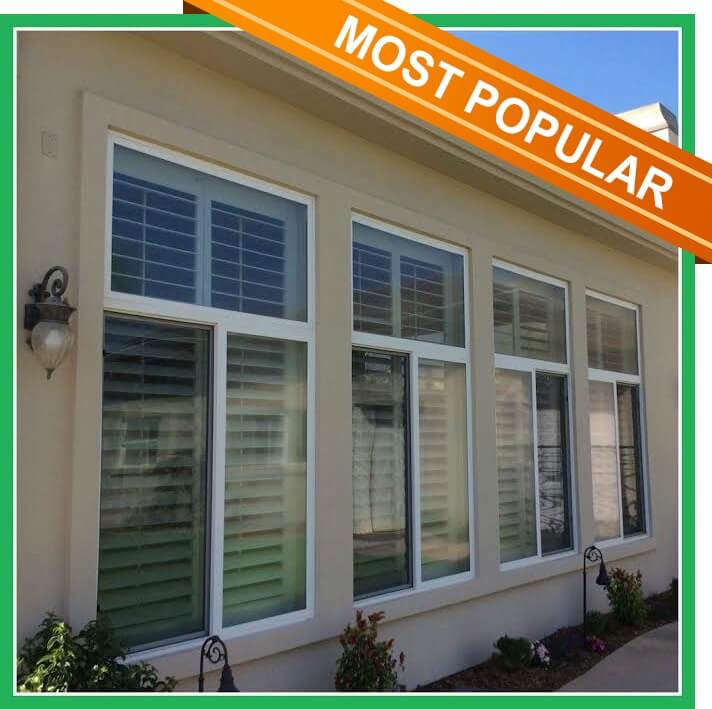
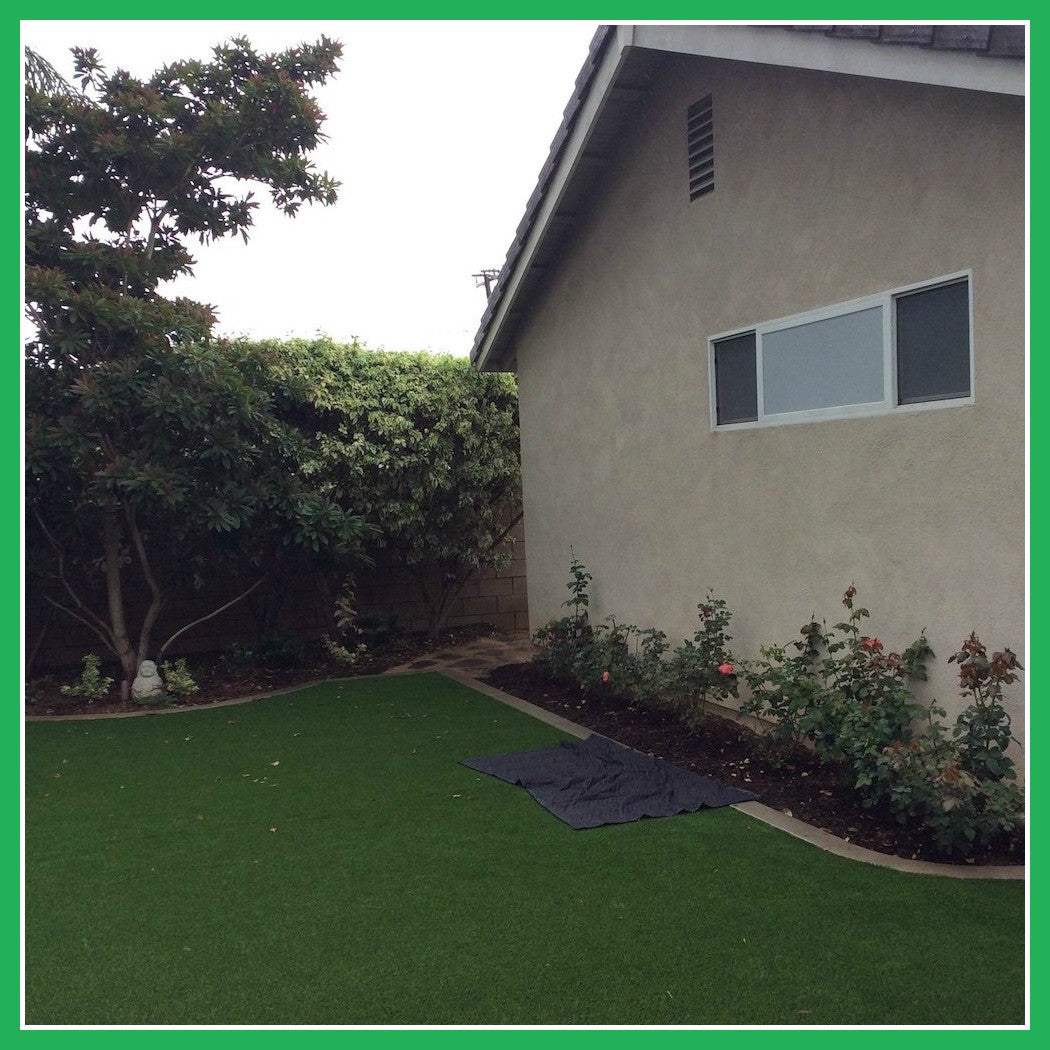
Protect Your Artificial Turf, Natural Grass and Vinyl Siding from Reflection Damage

Turf Guard Window Film is an Affordable Do-It-Yourself Window Film Solution

Related Posts

How to Tell If Your Neighbor’s Windows Are Melting Your Artificial Grass
Artificial turf is supposed to be durable, low maintenance, and resistant to the elements. So when parts of your lawn start melting, it’s frustrati...
Read More
Why Is My Artificial Turf Shiny and Hard?
Artificial turf is designed to stay soft, flexible, and natural-looking for years. So when homeowners notice that their turf suddenly looks shiny, ...
Read More
What To Do If Your Artificial Turf Is Melting
Artificial turf is designed to be durable, low maintenance, and resistant to weather. So when homeowners start noticing melted lines, shiny patches...
Read More
A Turf Contractor’s Guide to Preventing Post-Install Melt Claims
Artificial turf should be a low-maintenance, high-margin upgrade for homeowners. But in hot-climate markets like Arizona, Nevada, Texas, and Califo...
Read More
How to Protect Artificial Turf From Window Glare
Artificial turf is designed to withstand heat, sunlight, and heavy use. But many homeowners are surprised to discover that their artificial grass c...
Read More
Why Turf Installers Should Check for Window Reflection Before Installation
Installing artificial turf is supposed to be a long-term upgrade: low maintenance, water savings, clean aesthetics, and durability in extreme heat....
Read More
Are Home Windows Melting Your Artificial Turf?
If your artificial grass is melting in straight lines, shiny patches, or strange circular patterns, you might assume: The turf was defective Th...
Read More
What Is Low-E Glass and Why Does It Reflect Heat?
If you’ve ever wondered why your artificial turf, siding, or patio furniture is melting, even when the weather doesn’t seem extreme, the answer may...
Read More

Leave a comment

Please note, comments must be approved before they are published