Maintaining a home can be tricky. As much as possible, you need to make sure that it stays in its original condition. You need to protect your home from any elements that could cause severe damage. Some of the factors that can affect or damage your home are environmental or man-made. The effect of environmental factors can also be aggravated by man-made factors as well.
As such, vinyl sidings have become a popular choice for homeowners when it comes to decorating the exterior of the house. Vinyl sidings can be customized to imitate wooden clapboard for a more aesthetic impact. Aside from that, vinyl sidings act as weatherproofing for your home. However, vinyl siding melting can a major issue you need to be wary of. Since they are made primarily from PVC (polyvinyl chloride) material, they can melt in high temperature.
What Causes Vinyl Siding Melting
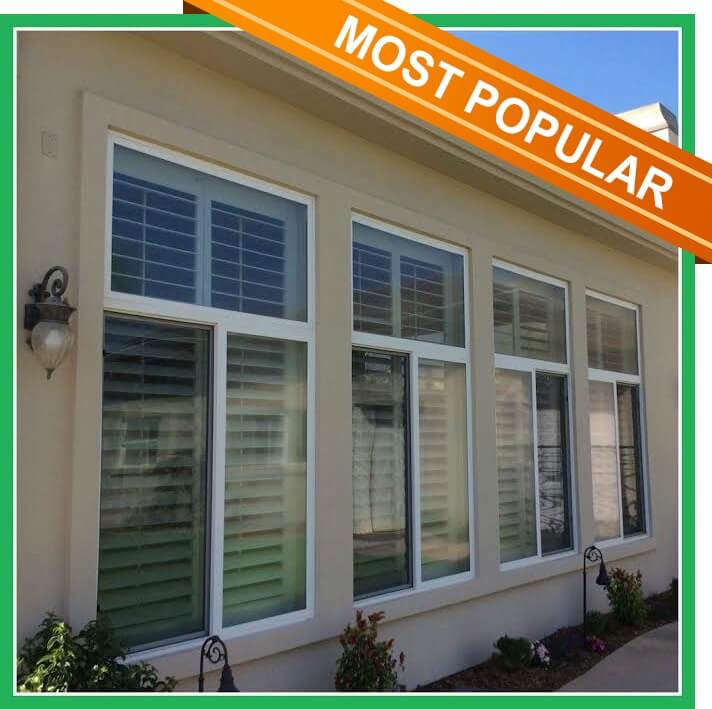
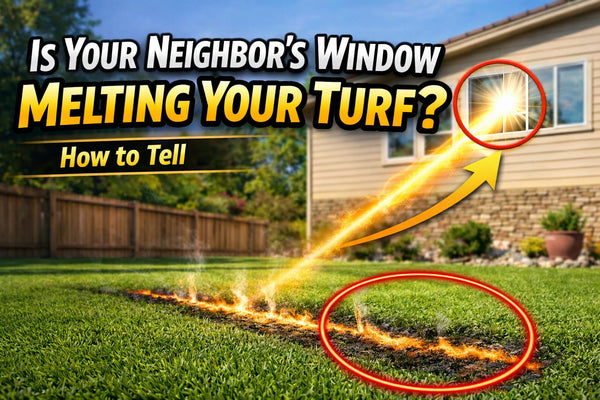
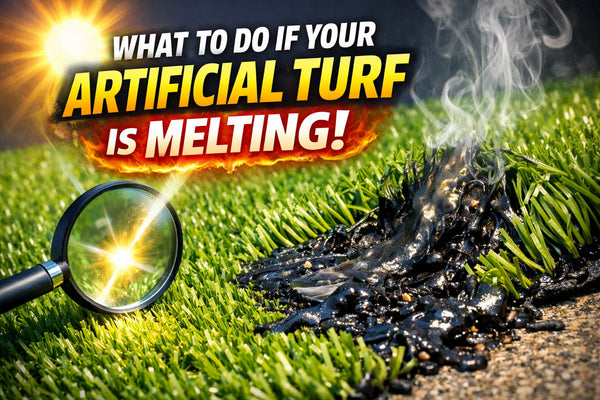
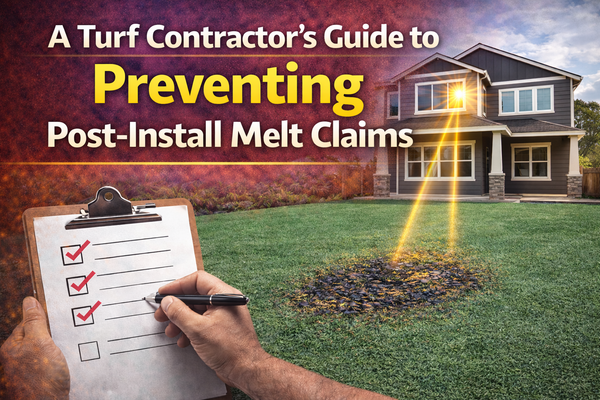
Energy-efficient windows are the bane of vinyl sidings' existence. While energy-efficient windows protect a home from extreme heat and glare from the sun, the heat or sunrays that the windows deflect gets reflected to another house. These rays can cause vinyl distortion and vinyl siding melting.
It's ironic that these windows, which are meant to protect a home from harmful rays, can end up causing harm themselves. Energy efficient windows can magnify the rays from the sun. But when they reflect the same damaging rays to another home, the rays could cause severe damage to the home's vinyl siding.
Vinyl Siding Protection for Your Home
There are ways that you can protect your vinyl sidings from melting. The vinyl melting point is pretty low, so you can expect vinyl siding melting, especially if it's sunny outside. You don't want your house to appear distorted because of your melting vinyl sidings.
Ask your manufacturer how long does vinyl siding last. This way, you can get an idea of what kind of protection you can get for your vinyl sidings. If there’s damage to the vinyl siding already, get melted siding repair services before thinking of replacing them.
In case your vinyl sidings have already sustained damage, have them replaced and make sure that you put protection in place to avoid vinyl siding melting in the future.
Here are some vinyl protection tips you can consider:
- To diffuse the sunlight reflecting on your windows, put screens outside the windows.
- For lower windows, add window awnings to block the sun.
- Put PTI films on the windows. These films can reduce solar heat and solar glare.
- If possible, replace your windows with an alternative that will not cause vinyl siding melting.
- To block the rays from hitting the vinyl sidings of your home, install a privacy screen.
- You can plant landscape buffer that will block the rays reflecting to your vinyl sidings. You can use hedges, trees, or other tall plants to act as buffers.
- For assurance, replaced your damaged vinyl sidings with those that are heat-resistant.
Stop windows from destroying your home and causing vinyl siding melting, and keep your homes beautiful and protected with these tips.