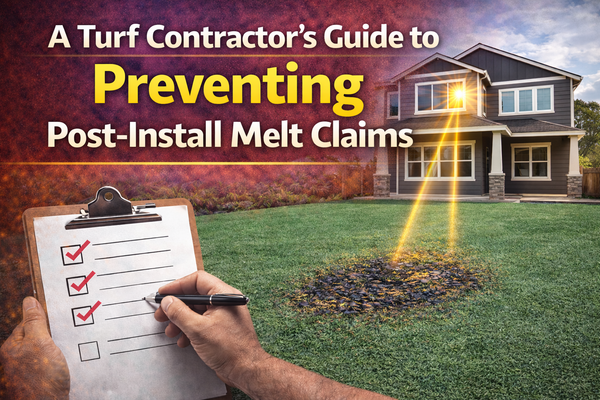
🛑 STOP Your ARTIFICIAL TURF from MELTING 🔥 Do-It-Yourself Window Film Solution 😎

3 Ways to Prevent Damaged Turf Problems in Your Home

There are many factors that can cause damage to your artificial turf. The cost and hassle of having your artificial turf repaired cannot be emphasized too heavily. In order to prevent damage, you have to find out what these factors are. You should then diligently see to it that these do not get into your turf. Here are some tips on how to prevent damage to your fake grass.

Never Use Chemicals, Organic and Flammable Materials Near It

One of the best ways to prevent damaged turf problems is not to use chemicals on it. These chemicals include thinner, oil-based paint, pesticides and other caustic substances or those that cause burning and melting. Thinner and oil-based paint tends to get absorbed by your turf. As a result, they may cause discoloration. Pesticides should not be used either since these can get caught in the fiber and your kids and pets may breathe in these pesticides.

Moreover, do not smoke cigarettes or play with matchsticks or any flammable substances near your turf. Alcohol and other substances may accidentally set fire on your turf. Aside from this, take care not to let any organic material get near it. Use a leaf blower or rake to remove organic materials on it. These organic materials may decay and damage your turf.

Don't Let Dangerous Animals Get on It

3 Ways to Prevent Damaged Turf Problems in Your Home

Turf problems may also include the damage caused by animals. Artificial turfs are usually made from polyethylene and are therefore not attractive to most animals. However, there is a chance that an animal that is not properly toilet trained will take a dump or pee on it. This may cause molds if not detected early and if not rinsed with water.

For proper turf maintenance and for overall prevention of physical damage to the turf, you should be on guard not to let untrained pets get near your grass. Muddy pet tracks may damage the consistency of the turf. Moreover, animals that dig, scratch or bite may do so into the turf itself. This will require heavy and costly repair on your part.

Avoid Placing All Kinds of Hot Objects on It

If you want to know how to prevent turf burn, then the best thing to do is not to let any kind of hot object get near the turf. Some damaged turf problems are caused by heat coming from BBQ on your artificial turf. If you do not know how to fix burnt grass yourself, then you will have to spend much on repair. Thus, do not use any BBQ on your fake grass. You should also avoid using your laptop on your grass as well as any other gadget or tool that tends to heat up when in use.

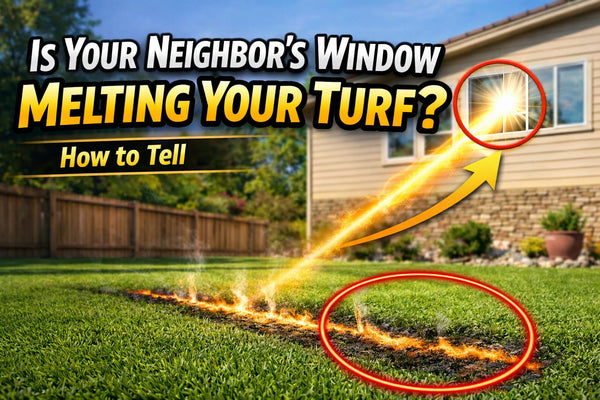
Most of all, you should avoid the damage of sunlight to your turf. One of the worst damaged turf problems is turf burn by sunlight. The best solution to this is to use a sophisticated window film that can filter heat entering your window. This way, you can keep your turf safe from any potential damage.

If you are curious where to find such good and sophisticated window films, then you should visit our website at Turf Guard Window Film. There you can see the amazing technology that Turf Guard Window Film can provide to you and your family!
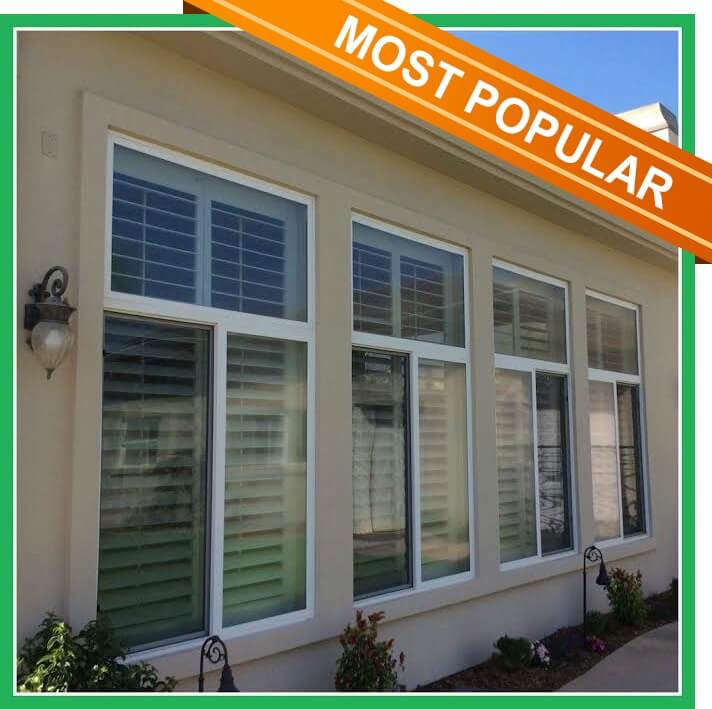
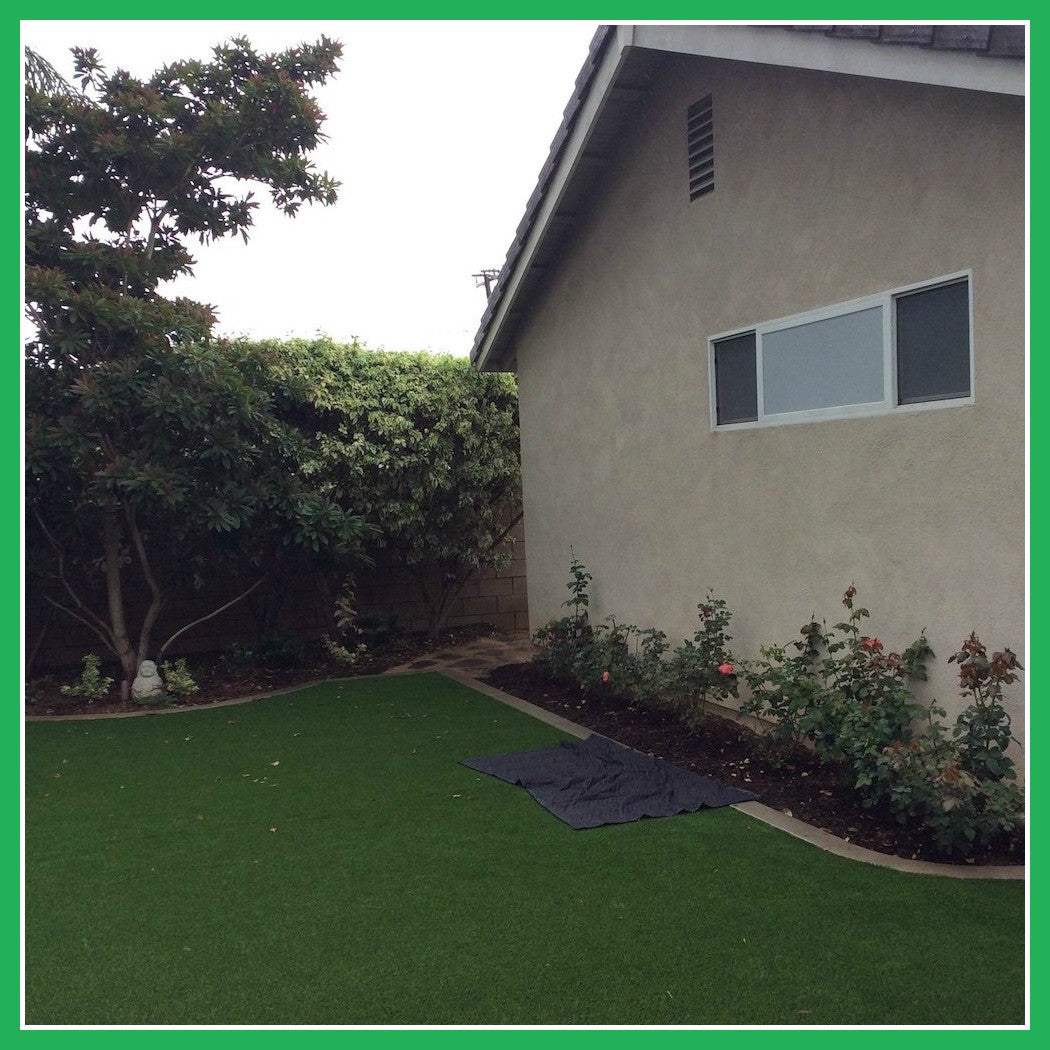
Protect Your Artificial Turf, Natural Grass and Vinyl Siding from Reflection Damage

Turf Guard Window Film is an Affordable Do-It-Yourself Window Film Solution

Related Posts

Vinyl siding, car mirrors, and patio furniture: other things window glare can melt
If you’ve noticed warped vinyl siding, melted car trim, or patio furniture, and damaged pool covers, you may be dealing with concentrated window gl...
Read More
DIY or Call a Pro? Installing Exterior Turf Protecting Film That Looks Good and Actually Works
When artificial turf starts melting or you notice hot spots on siding, car trim, or patio items, the first solution most homeowners search for is e...
Read More
Can Low-E window glare start a fire? What homeowners report and how to prevent it
If you’ve ever noticed a patch of turf, a plastic item, or outdoor furniture that looks scorched after a sunny day, you may wonder if window glare ...
Read More
Why your turf only melts at 2 pm: angles, seasons, and the concave glass “lens” effect
If your artificial turf only melts at the same time every day, often around 2 pm, you’re not alone. Homeowners describe this as a “flash of light,”...
Read More
5 Things You Should Know Before Installing Artificial Turf
If you’re planning to install artificial grass, there’s one thing most people don’t learn until after they see a melted stripe or a burned patch: s...
Read More
Turf burn patterns decoded: wavy lines, melted stripes, and “crop circles” explained
If your artificial turf has strange shapes burned into it, a wavy line, a melted stripe, or a perfect “crop circle,” it’s normal to think something...
Read More
Window reflection is melting my artificial turf — what actually stops it?
If you’ve walked outside after a sunny day and noticed melted divots, shiny stripes, or a “crop-circle” patch on your synthetic grass, you're not i...
Read More
The Best Window Film to protect Artificial Grass from melting: How to Stop Window Reflection From Melting Artificial Grass
If you’ve seen melted turf lines, divots, or strange diagonal stripes in your lawn, you’re not alone. Thousands of homeowners discover the same thi...
Read More

Leave a comment

Please note, comments must be approved before they are published