🛑 STOP Your ARTIFICIAL TURF from MELTING 🔥 Do-It-Yourself Window Film Solution 😎

5 Facts About Heat-Resistant Vinyl Siding

Vinyl sidings can make or break your home. Home sidings can be aesthetically suitable for your house’s exterior. But, choosing a high-quality vinyl siding is a must to maintain a beautiful exterior. Direct sunlight can cause intense heating of your vinyl siding, thus causing a melting vinyl or otherwise known as vinyl distortion.

Choosing a heat-resistant vinyl siding can be beneficial for your home. Such sidings do not easily melt when exposed to intense heat. It can carry the usual melting point of vinyl of 160 to 165 degrees Fahrenheit.

Vinyl sidings are prone to melting when exposed to heat. Yet, there is an available heat-resistant vinyl siding you can explore. Read more here.

In selecting a heat-resistant vinyl siding, here are few things to know:

It is energy efficient

A heat-resistant vinyl siding can save electricity. Since it does not carry heat and does not melt, it can trap the cold air, thus making your home cooler. In this sense, you can have a break from turning on the air conditioner.

A heat-resistant vinyl siding does not melt like the ordinary one. In this way, you can prolong the lifespan of vinyl siding.

It is durable

One thing that destroys a vinyl siding is the heat coming from direct sunlight or the environment. Choosing a heat-resistant vinyl siding can save you a lot of money. There is no need for frequent replacement because this type of vinyl can be utilized in the long run.

It can also be known as an all-weather type of vinyl siding

It does not moist

A heat-resistant siding does not moist. It can protect your home’s wall from a damp environment due to the changing of the weather. You do not need to worry about your wall papers distorting to discoloring due to moist.

A heat-resistant siding is efficient in maintaining not just the home exterior but also the home’s interior.

Risks of thermal distortion is reduced

A lot of homeowners often wonder how to stop window reflection. Window reflection can damage vinyl siding because it magnifies and intensifies the heat coming from direct sunlight.

A heat-resistant siding is not affected by such reflection, and it does not melt no matter how hot the temperature gets.

It protects wall from deforming

Heat-resistant sidings protect the home’s wall from deforming. When choosing this type, the worry that it will largely affect the home exterior and interior is greatly reduced.

The best benefit you can get from selecting a heat-resistant vinyl siding is that it protects your family members from heat and other chemicals due to melting. This type is cost-efficient and depicts value for money. One of the products you can also try is the Siding Guard Window film. Visit our website to know more about this product.

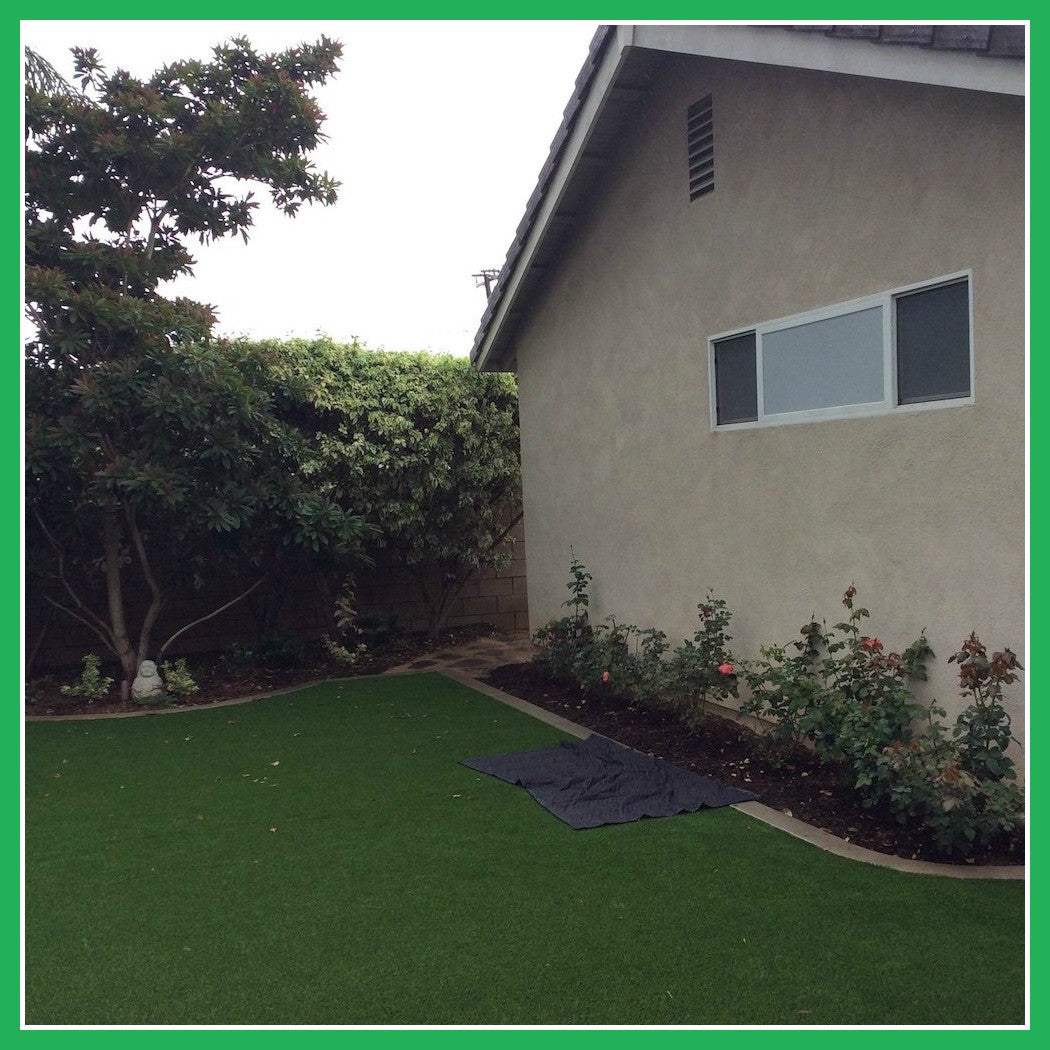
Protect Your Artificial Turf, Natural Grass and Vinyl Siding from Reflection Damage

Turf Guard Window Film is an Affordable Do-It-Yourself Window Film Solution

Related Posts

Installing Artificial Turf in Las Vegas? Read This First
Artificial turf has become one of the most popular landscaping choices in Las Vegas. With strict water restrictions, extreme summer heat, and the h...
Read More
Why Artificial Turf Melts in Las Vegas
Artificial turf is a popular landscaping choice across Las Vegas. With limited rainfall, strict water conservation rules, and long periods of inten...
Read More
Why Does Artificial Grass Melt Even When It’s Not Hot Outside?
Many homeowners assume artificial turf only melts during extreme heat waves. So when they notice melted spots, shiny patches, or strange burn patte...
Read More
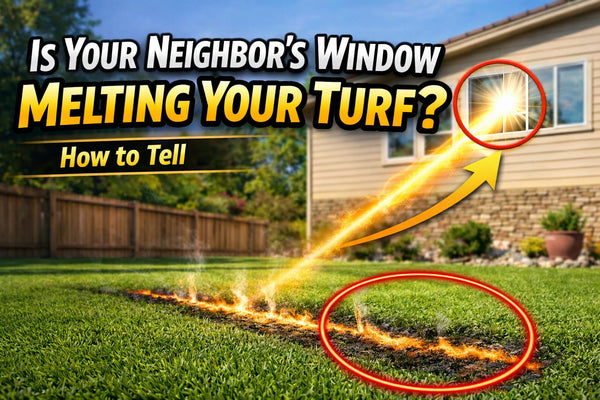
How to Tell If Your Neighbor’s Windows Are Melting Your Artificial Grass
Artificial turf is supposed to be durable, low maintenance, and resistant to the elements. So when parts of your lawn start melting, it’s frustrati...
Read More
Why Is My Artificial Turf Shiny and Hard?
Artificial turf is designed to stay soft, flexible, and natural-looking for years. So when homeowners notice that their turf suddenly looks shiny, ...
Read More
What To Do If Your Artificial Turf Is Melting
Artificial turf is designed to be durable, low maintenance, and resistant to weather. So when homeowners start noticing melted lines, shiny patches...
Read More
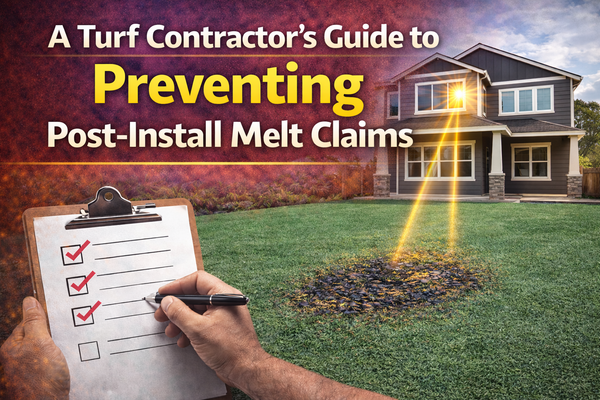
A Turf Contractor’s Guide to Preventing Post-Install Melt Claims
Artificial turf should be a low-maintenance, high-margin upgrade for homeowners. But in hot-climate markets like Arizona, Nevada, Texas, and Califo...
Read More
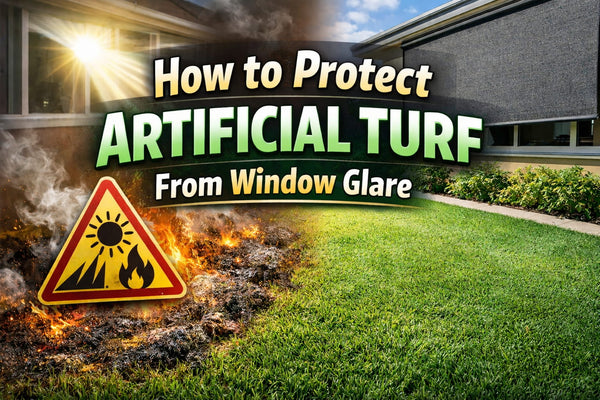
How to Protect Artificial Turf From Window Glare
Artificial turf is designed to withstand heat, sunlight, and heavy use. But many homeowners are surprised to discover that their artificial grass c...
Read More

Leave a comment

Please note, comments must be approved before they are published