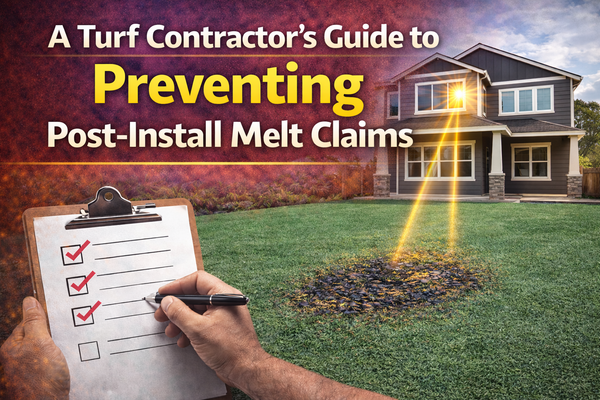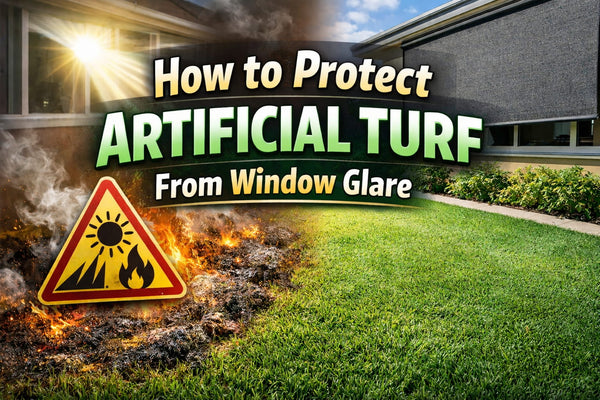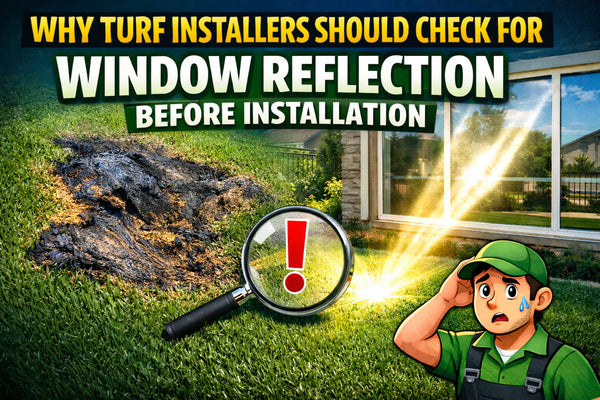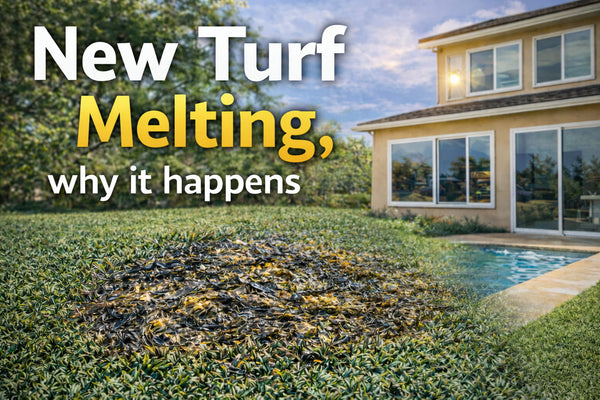
🛑 STOP Your ARTIFICIAL TURF from MELTING 🔥 Do-It-Yourself Window Film Solution 😎

Are Low-E Windows Melting the Vinyl Siding of Your Home?

Vinyl siding and Low-E windows are two of the widely used home tools. Low-E windows help reduce energy consumption as the glass used by these products reflects heat away from your house. Meanwhile, vinyl siding adds curb appeal to your home and requires less maintenance. However, there is one problem that you could experience if you put them together or adjacent to one another. The problem is that Low-E windows are melting your vinyl siding.

How Do Low-E Windows Distort Your Vinyl Siding?

One of the primary causes is the changes in the glass interior and the atmospheric pressure. These alterations can deform the glazing of your windows. If this happens, it intensifies the UV rays and directs them onto your outer wall, causing it to reach the vinyl siding melting point.

According to the Vinyl Siding Institute (VSI), the melting temperature of vinyl siding ranges from 160 to 165oF. However, the heat produced by window reflections can reach up to 200 degrees.

Is There a Way to Prevent This Siding Damage?

There are several ways to stop the Low-E windows from melting the vinyl siding of your home. One technique to avoid this problem is by replacing your melted vinyl siding. You can use a heat-resistant siding so that it will not distort, no matter how hot the temperature is. However, it requires a hefty amount of cash as you need to install the entire thing.

If you do not have the budget, you can change the color of your wall to a lighter shade. Studies reveal that darker tones absorb more heat than lighter ones. Thus, repainting the siding will not only change its look, but it will also absorb less heat. However, the paint can emit an awful smell and is dangerous to your child’s health. Therefore, if you do not want to compromise the welfare of your loved ones, then you should look for a budget-friendly and safer alternative.

If that is the case, then you should choose Turf Guard Window Film. Out of all these melting vinyl siding solutions, this is the best way to stop Low-E windows from melting your vinyl siding. The product uses a film that looks like a bug screen, which deflects off the light and spreads heat evenly. That way, you will no longer see warping onto your outer wall. Furthermore, you no longer need to hire a melted vinyl siding repair service.

Stop Low-E windows from melting the vinyl siding of your home! Visit our website and buy our Turf Guard Window Film products.

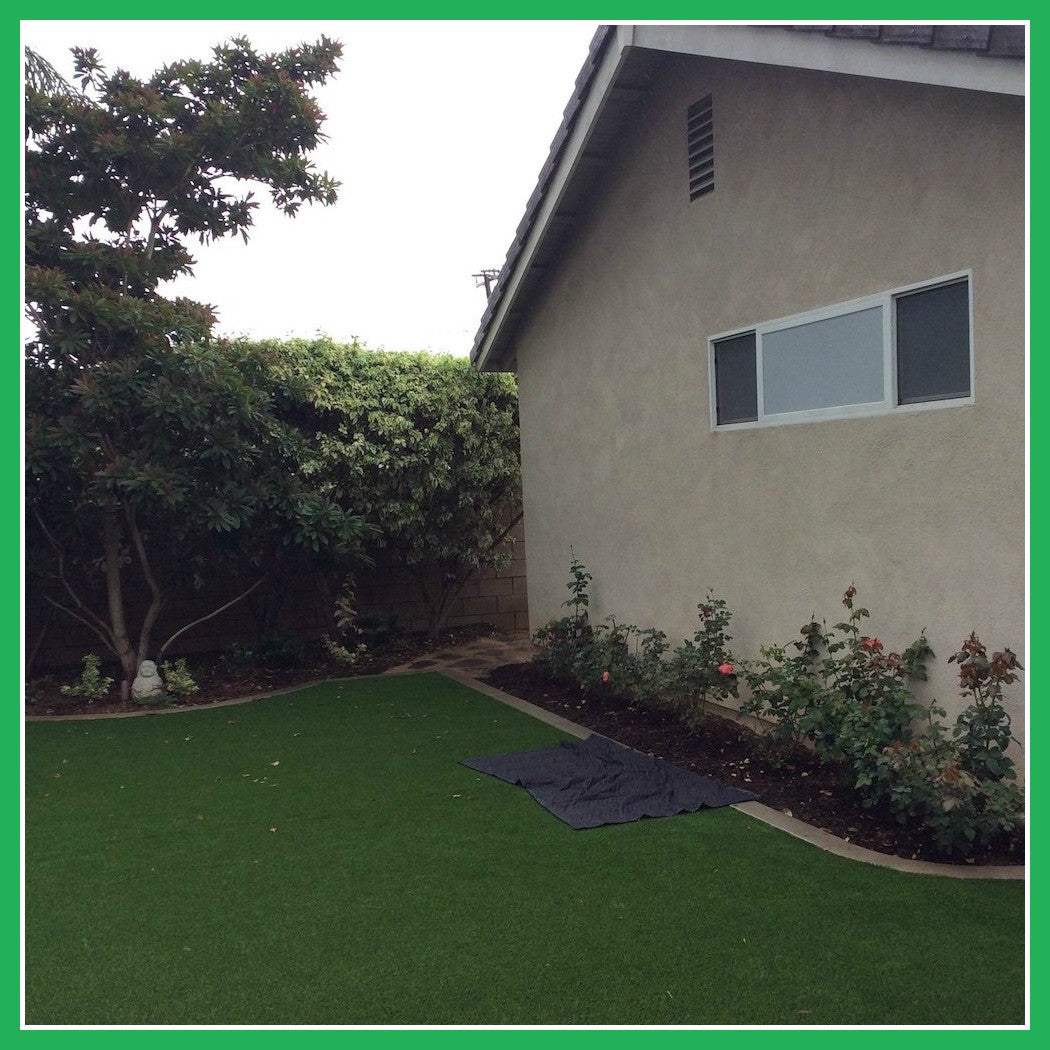
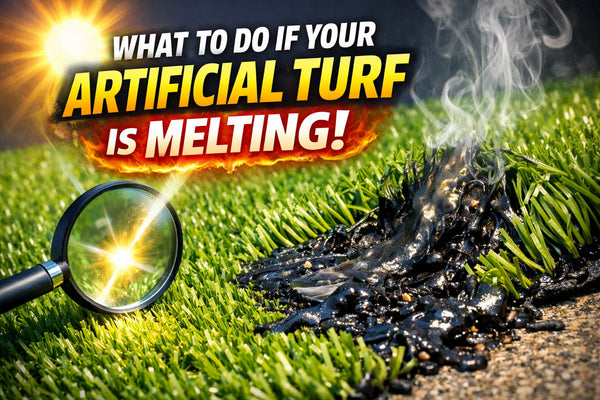
Protect Your Artificial Turf, Natural Grass and Vinyl Siding from Reflection Damage

Turf Guard Window Film is an Affordable Do-It-Yourself Window Film Solution

Related Posts

Does Turf Burn in Texas? What Homeowners Need to Know
Artificial turf has become increasingly popular across Texas thanks to extreme summer heat, watering restrictions, and the desire for low-maintenan...
Read More
Real Homeowner Experiences: Artificial Turf Installation, Upsides and Downsides
If you’re considering artificial turf for your yard, you’re not alone. Homeowners across the country have been making the switch from natural grass...
Read More
What Damages Artificial Turf? The Most Common Causes (and How to Prevent Them)
Artificial grass is known for being durable, low-maintenance, and long-lasting. But “durable” doesn’t mean indestructible. Homeowners are often sur...
Read More
Synthetic Grass Pros and Cons: What Homeowners Should Know Before Installing
Synthetic grass has become a popular alternative to natural lawns, especially in hot, dry climates where water conservation and low maintenance are...
Read More
How to Prevent Artificial Grass Fading in Arizona’s Intense Sun
Arizona sunshine is one of the biggest reasons homeowners choose artificial grass. No mowing, no watering, and a green lawn year-round sounds perfe...
Read More
How to Maintain Artificial Grass (Plus the Hidden Care Tip Most Homeowners Miss)
Artificial grass is popular because it looks great year-round with far less upkeep than natural grass. But “low maintenance” doesn’t mean “no maint...
Read More
What Is Turf Guard Window Film and How Does It Prevent Turf Melting?
If your artificial turf is melting, shrinking, or discoloring, especially in straight lines or concentrated hot spots, the turf itself is rarely th...
Read More
How Scottsdale’s Heat and Water Restrictions Drive Artificial Turf Demand
Artificial turf has become increasingly common across Scottsdale, and it’s not just a design trend. The combination of extreme heat, limited rainfa...
Read More

Leave a comment

Please note, comments must be approved before they are published