🛑 STOP Your ARTIFICIAL TURF from MELTING 🔥 Do-It-Yourself Window Film Solution 😎

Artificial Turf Melting: Big Problem for Artificial Lawn Owners

When you buy artificial turf, you need to know that sunlight causes artificial turf melting. Fake grass melts when it reaches its melting point at 200 degrees. In connection with that, you have to know how to prevent artificial turf melting so you can save money by avoiding the costs associated with replacing damaged grass.

Artificial grass is very useful. It can be installed on your lawn or you can also have it as indoor fake grass. It makes your home greener and more beautiful. However, fin order for it to remain beautiful, you need to make sure that you know how to protect it before you look for fake grass for sale in your area.

Factors That Cause Your Artificial Lawn to Melt

Before preventing artificial turf melting, you need to know what causes it so you can address the problem appropriately. Here are the factors that can cause damage to your artificial turf garden:

1. Polished gutters

Polished gutters reflect the sun's heat onto your lawn, which then causes melting or burning.

2. Fire

Fire can come from barbecue equipment or cigarettes. Once it makes contact with your synthetic grass, it will disintegrate or dry it.

3. Energy efficient windows

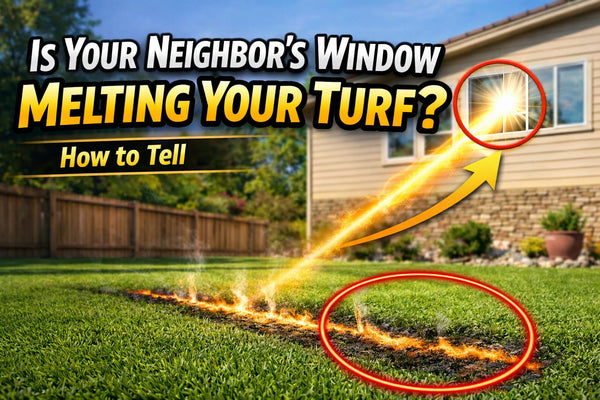
Energy efficient windows are the primary reasons for the damage to artificial turf. The unique properties in energy efficient windows can magnify the heat of the sun and reflect the heat onto the turf. The grass reaches its melting point after that heat becomes so intense.

Tips to Stop Synthetic Grass From Melting

Fortunately, there are ways to stop the sun’s heat from damaging your long artificial grass. Here are some protection tips that you can follow to prevent damage to your fake turf:

1. Evaluate your yard

Before you install artificial grass in your yard, you need to make sure that you have surveyed the area. You should take note of any objects in the vicinity that can cause heat reflection, then ask advice from a professional.

2. Put shades in your yard

You can install window awnings by contacting a professional with the right knowledge and equipment for installing them. The canopies will prevent the sunlight from hitting your window and, in effect, reduce glare.

3. Apply window film

Window films are well-known for providing security and privacy. However, they can also be used to reduce glare on your window and protect your turf. Window films have anti-reflective features that can be very beneficial for homeowners with fake lawns.

You can avoid artificial turf melting if you know the right solutions. You can enjoy your fake turf by applying a clear perforated window film on your home's windows. It is known to reduce glare and protects your lawn from damage.
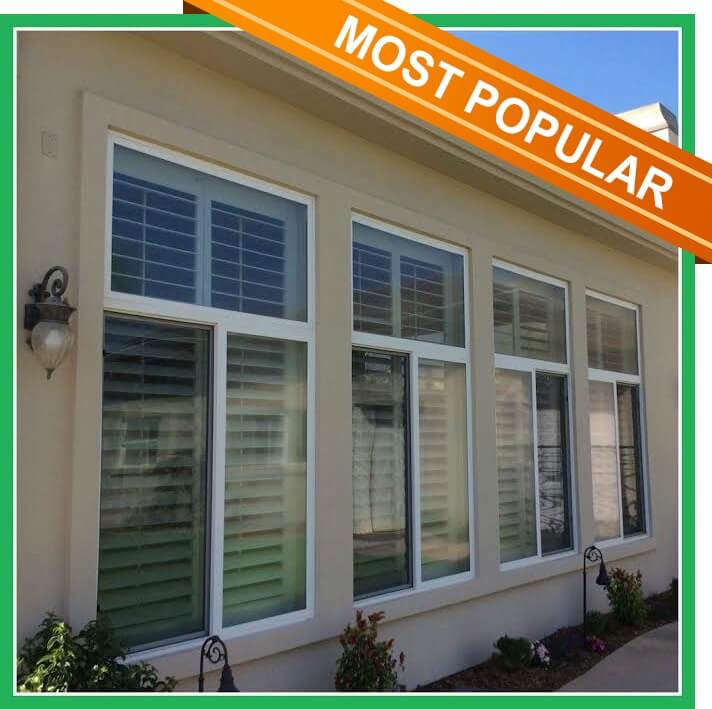
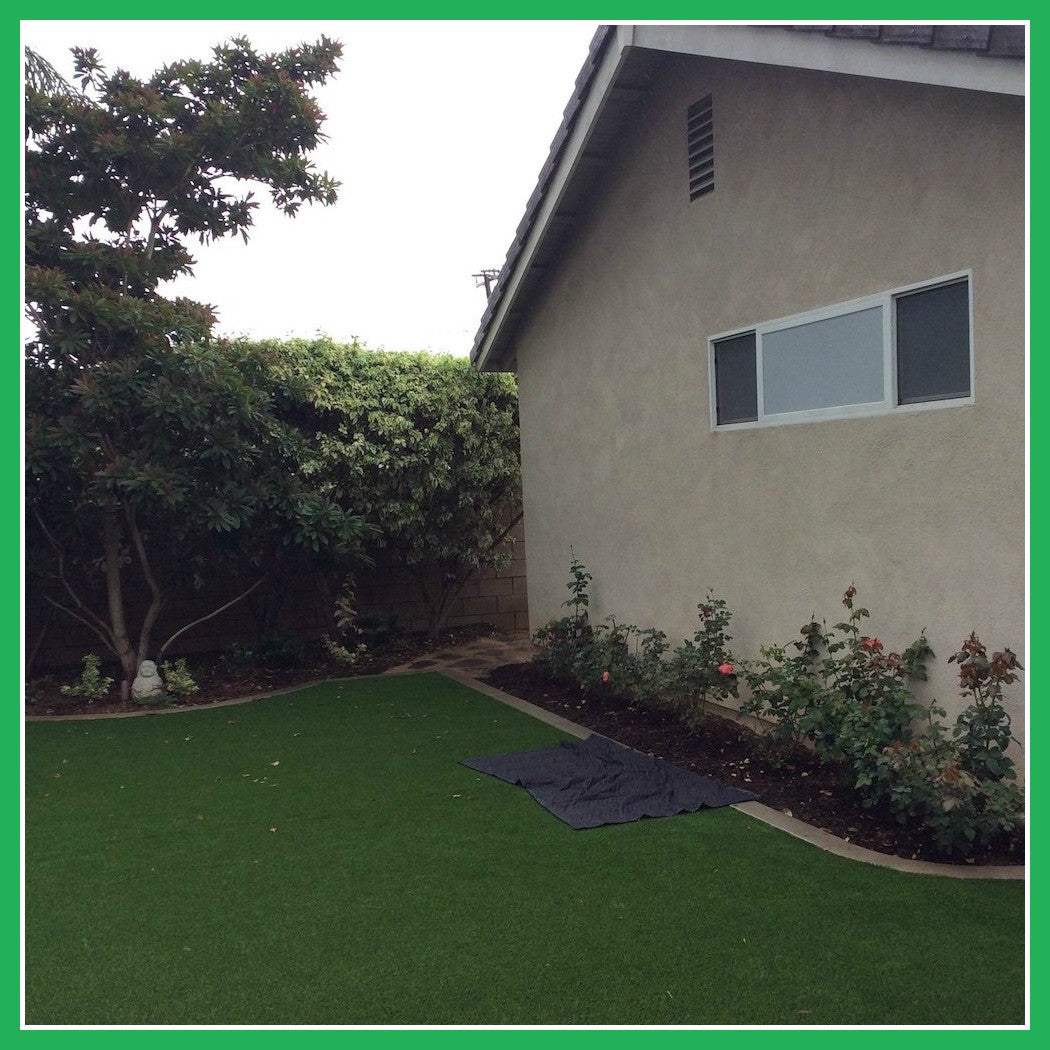
Protect Your Artificial Turf, Natural Grass and Vinyl Siding from Reflection Damage

Turf Guard Window Film is an Affordable Do-It-Yourself Window Film Solution

Related Posts

Window Film for Artificial Grass Installation - Clear Turf Guard
Below are before / after pictures of Turf Guard (Clear) window film installation to protect the turn from damage. When this homeowners called, the...
Read More
Why New Artificial Turf Is Melting in Lines
If you just installed artificial turf and suddenly noticed a straight melted line appear, then days later a second one, it’s easy to assume the gra...
Read More
Does turf type matter? Nylon vs polyethylene and why hot spots still win
When turf starts shrinking, wilting, or melting in oddly specific spots, most homeowners assume the turf itself was poor quality. Turf installers o...
Read More
Perforated turf‑safe window film vs solar screens: which works better for hot spots?
If you’re dealing with artificial turf melting, burned stripes, or a concentrated hot spot created by Low-E windows, you’ve probably come across tw...
Read More
6 workarounds to stop turf melting (without breaking rules)
If your HOA doesn’t allow window tint, but your turf is melting from concentrated window glare, you’re stuck between two conflicting problems. Home...
Read More
Vinyl siding, car mirrors, and patio furniture: other things window glare can melt
If you’ve noticed warped vinyl siding, melted car trim, or patio furniture, and damaged pool covers, you may be dealing with concentrated window gl...
Read More
DIY or Call a Pro? Installing Exterior Turf Protecting Film That Looks Good and Actually Works
When artificial turf starts melting or you notice hot spots on siding, car trim, or patio items, the first solution most homeowners search for is e...
Read More
Can Low-E window glare start a fire? What homeowners report and how to prevent it
If you’ve ever noticed a patch of turf, a plastic item, or outdoor furniture that looks scorched after a sunny day, you may wonder if window glare ...
Read More

Leave a comment

Please note, comments must be approved before they are published