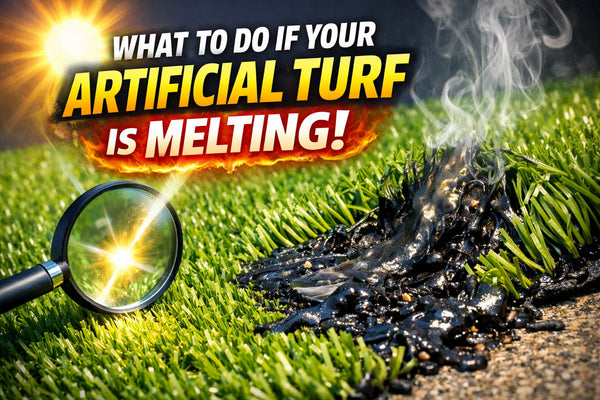
The government encourages us to save water. According to research, we consume more water than usual. Thus, many people are switching to artificial lawn. Because it’s artificial, it requires little to no amounts of water. Moreover, it doesn’t wilt as opposed to the natural grass.
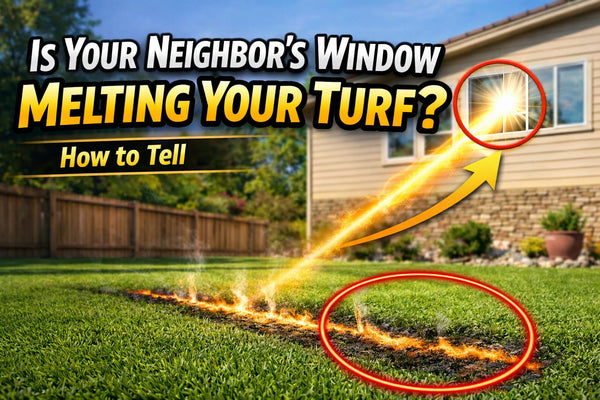
However, the artificial grass tends to melt when exposed to direct heat or when the light bounces to its surface. Fortunately, you can prevent this situation from happening. You only need to use a perforated window film.
What Is a Turf Guard Window Film?
Turf Guard Window Films are used in buildings. Its purpose is to allow companies to display their ads.
Nowadays, these are not only used in commercial buildings and ad spaces. You can also use it at home. Like other window films, it has UV/UVB blockers that keep the harshness of the sun away from your home. However, it’s not as dark as other films, allowing the natural light to come in and enable you to enjoy the outdoor view.
Advantages of Turf Guard Window Films to the Synthetic Lawn
Perforated films offer several benefits to your artificial lawn, and these are:
-
Heat Reduction
One of the primary reasons why homeowners use this film is to reduce heat. If the temperature decreases, your energy consumption diminishes as well.
In the case of fake lawn, the film absorbs heat, resulting in lowering the temperature of the grass. Consequently, your grass won’t melt, regardless of the weather pattern.
-
Diminishes Reflection
Reflection refers to the bouncing of light to an object. When the light reflects off the window, it transmits the heat and light to the artificial lawn. Again, this causes the turf to melt.
However, if you use a perforated window film, it reduces reflection, resulting in lower temperatures.
-
Prevents Discoloration
Discoloration is the change in color due to an internal reaction. This happens when your synthetic grass is melting. You will see patchy areas, which are an eyesore.
You can hide them by putting stones and pebbles on it or planting small trees. However, you can only do this if there are uneven areas already. If you want to prevent this from happening, you have to install a perforated window film.
As mentioned earlier, this film absorbs heat and reduces reflection, which prevents the artificial lawn from melting. If the turf doesn’t melt, chances are, it will keep its vibrant color.
-
Prevents Shrinkage
This is another sign that your grass field is melting. Because it cannot hold the heat anymore, the turf begins to shrink.
The perforated window film will prevent it from happening. As stated earlier, this particular screen for windows reduces heat by absorbing the temperature. So if the setting is not too hot, it will protect the synthetic turf from shrinking.
We often say that prevention is always better than cure. With this product, not only will it keep your garden’s beauty. It will also help in preventing the artificial grass disintegration.
Get the best Turf Guard Window Film on the market! Visit our website and get a shade that complements the aesthetic design of your home.