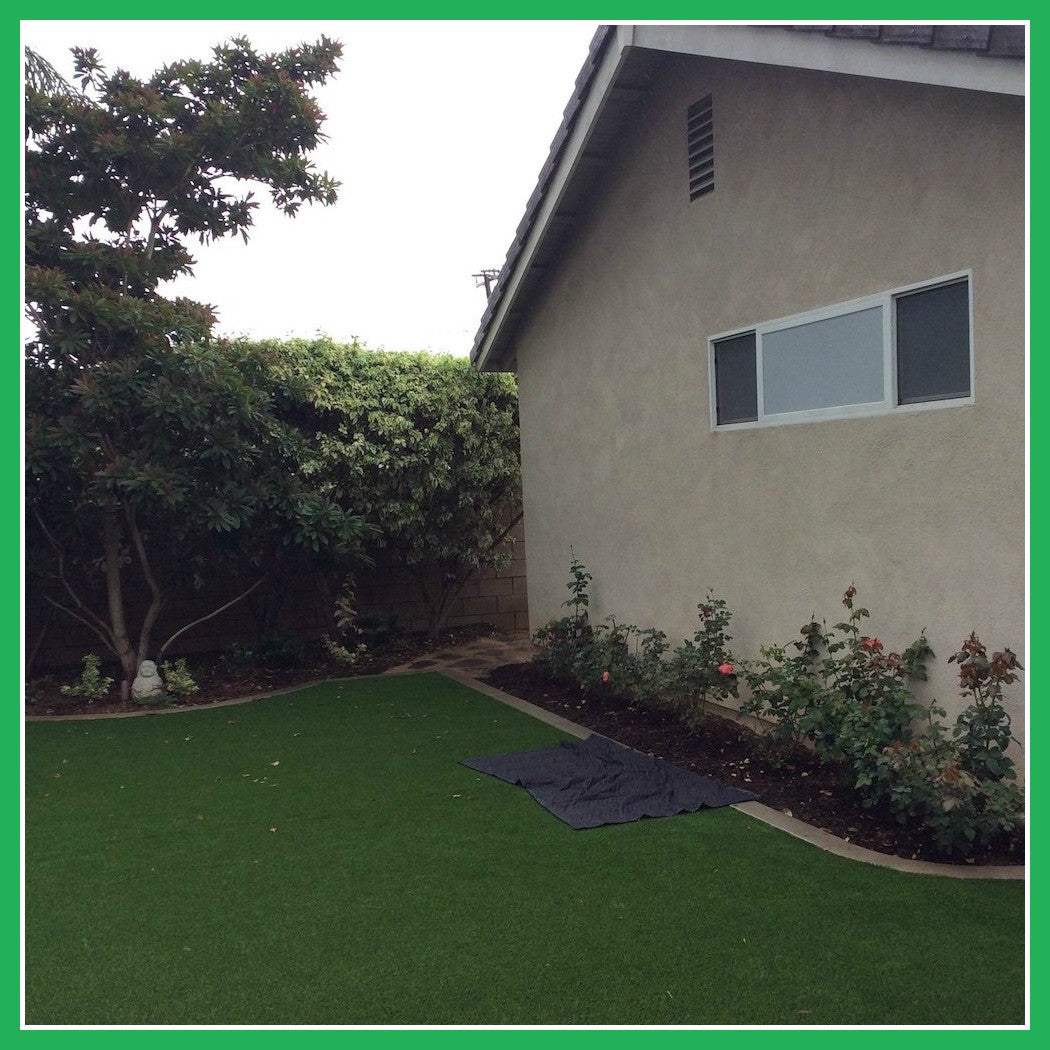
Having artificial grass in your backyard is very pleasing to the eyes because you know that having these kinds of grass in your lawn offers a refreshing feeling. You gaze at the luscious color it has to offer, so you feel very satisfied and happy. But of course, you know to yourself that you’ve taken care of your backyard properly, so you’re confident with the way it looks.
With proper maintenance of the correct turf type, you can add years to the lifespan of your artificial grass. Maintaining it is very important when it comes to the longevity, performance, safety, and appearance of a synthetic turf. If this is poorly maintained, it may result in premature aging, uneven types of lawn, infill loss, poor shock absorption, loss of traction, drainage issues, and more.
But preserving the beauty of artificial grass is very easy if you deal with any issues as soon as you can. For example, what if there were liquid spills on the grass that are hard to remove if it stays longer where it is? It is important to keep in mind that fresh spills are best dealt with immediately since it is easier to remove from the synthetic turf rather than dried or hardened ones.

Remove any solidified substance with a plastic spatula. Blot up excess liquids with lots of paper towels, or a type of dry absorbent such as kitty litter. Dry absorbents can then either be vacuumed or swept away.
Polyethylene surfaces, which are what the synthetic grass is made of, are resistant to stains. However, the surface is only one part of unique components designed for overall performance. While some cleaners are safe to use on synthetic grass, it could be harmful to other parts of it.
This means that the right way of maintaining should depend on what the correct turf type is used to minimize the possible effect on the underpad of the synthetic turf. Managing and the use of cleaning chemicals, in general, should be tackled strictly according to the manufacturer’s instructions.
Each company has their own versions of the correct turf type, thus making the process of maintaining each artificial grass different from one another. Do not use chlorine-based bleaches or caustic detergents on your synthetic turf surface since this will cause discoloration. Choose the right type of liquid so that damage to the synthetic grass can be avoided or minimized.
Also, a mild warm solution of granular household detergent and water can be used to clean the common grass types. Or you could also use neutral low foaming detergents that are recommended for delicate fabrics. Use it with approximately 5 liters of water, but also depending on the size of the turf.
You can also use coffee, tea, cocoa, grape, orange, tomato juice milk, tomato sauce, mustard, food coloring, beer, wine butter, fizzy drinks, etc. if you want your grass to be cleansed in an organic way.These best grass type tips are helpful, but just a reminder, proceed with caution.
You don’t need to have the most advanced technology to keep your grass in pristine condition. All you need is the right mindset: that getting your backyard cleaned up is a hard but fulfilling task and that you don’t need to spend thousands of money just to buy cleaning equipment.
As always, you should check out the best turf guard here to help you identify types of lawn grass suitable for your exact needs.