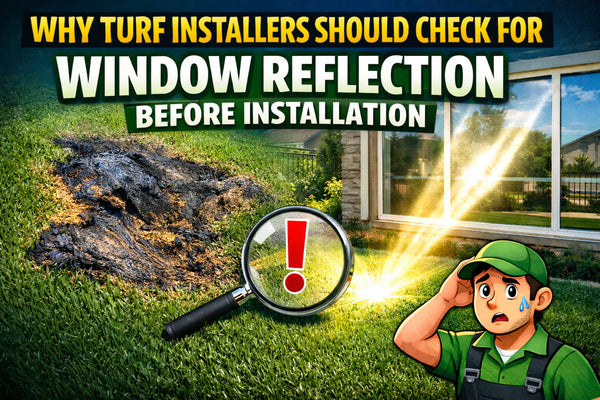
Most homeowners love the convenience and savings they get from using artificial turf on their property. However, that enjoyment is often tempered by the possibility of the artificial grass melting due to heat. Luckily, some things can be done to prevent this from happening.
Why Artificial Grass Melts
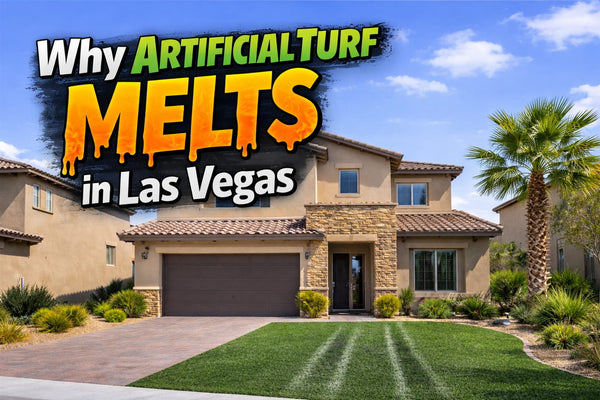
Artificial grass has grown in popularity over the years. Most property owners love the fact that they don't need to spend hours watering or mowing turf. But one downside to using artificial grass is its tendency to become discolored or to melt.
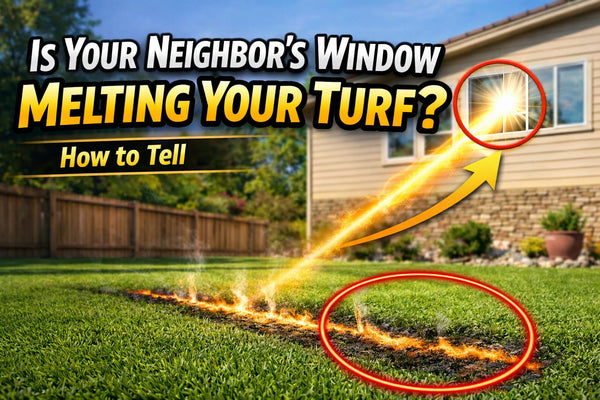
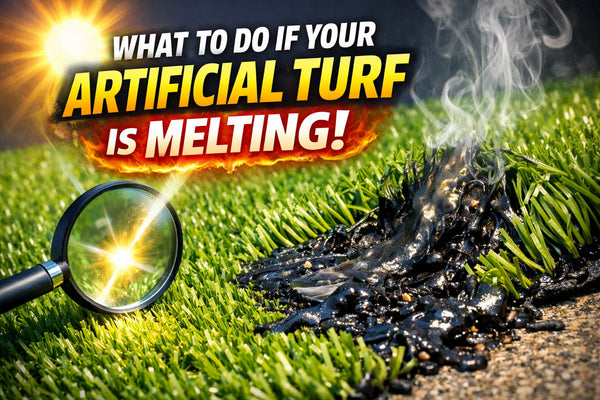
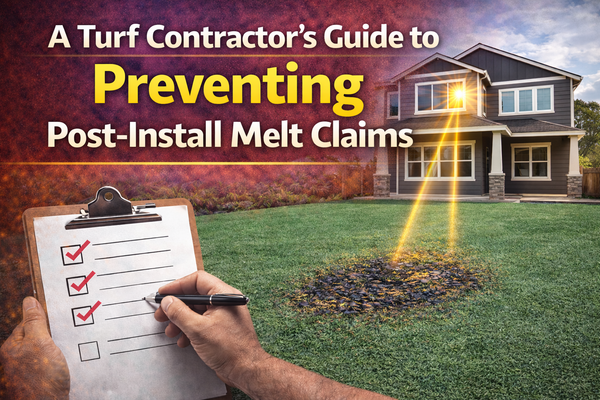
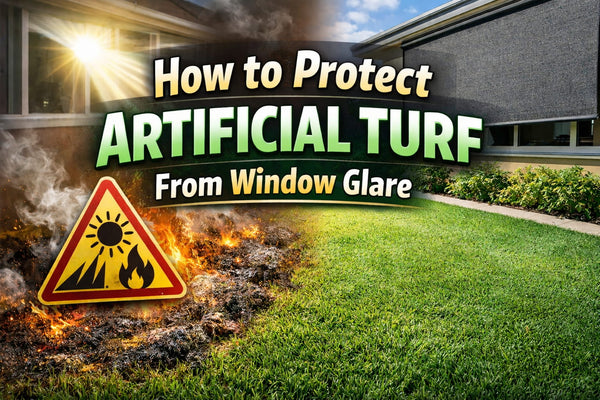
Artificial grass melting is due to the sun's rays hitting a reflective surface like a window, mirror, polished gutter, or steel panels. These surfaces can magnify the light to the point that it can burn artificial turf and other combustible materials.
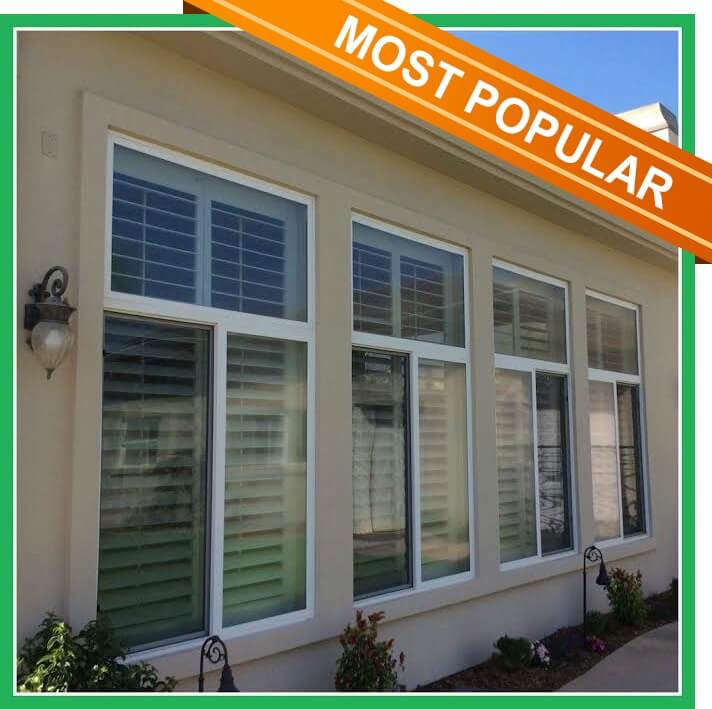
Energy efficient windows are the primary culprits when it comes to melting synthetic grass. This kind of window is usually a double-glazed and sealed, with a noble gas trapped between two panes to improve insulation. The window allows light to pass unimpeded, but the mirror's coating reflects the sun's heat back out.
Factors to Consider to Avoid Turf Melting
The glare from windows can present a significant challenge to landscapers and property owners. If you want to prevent your artificial grass from melting, take into consideration the following factors:
- The size and position of the windows
The amount of glass in a home is a significant factor in turf melting. For example, heat reflection damage won't be so noticeable if the house's windows only measure 4 feet by 4 feet, and is located on the west side. But if a house has four 6 foot by 8-foot windows on both the ground floor and the second floor, then the glare would be more intense.
- The type of windows used
As previously mentioned, the glare from windows is the main culprits to fake grass melting. And the new energy efficient or Low-E windows do a lot of damage. These windows are designed to help establishments become more energy efficient. But in doing so, they reflect large amounts of heat outwards.
- Presence of shade trees or shrubs
The presence of shade trees, shrubs, and other design features should also be factored. Trees like maple and oak can provide excellent cover for turf. Shrubs planted in front of ground floor windows also diffuse some of the heat before it reaches the ground.
- The addition of screens or window film
Whether or not a window is coated with a UV screen or film also affects the heat that radiates from it. Windows covered with a film diffuses light and breaks up the glare coming off windows. This lowers the intensity of reflection on synthetic grass.
To guarantee that window glare won't damage your lawn, invest in Turf Guard Window Film. It's easy to install and drastically cuts down heat reflection, thus preventing artificial grass melting. Moreover, it boosts the home's energy efficiency while providing additional security and privacy.