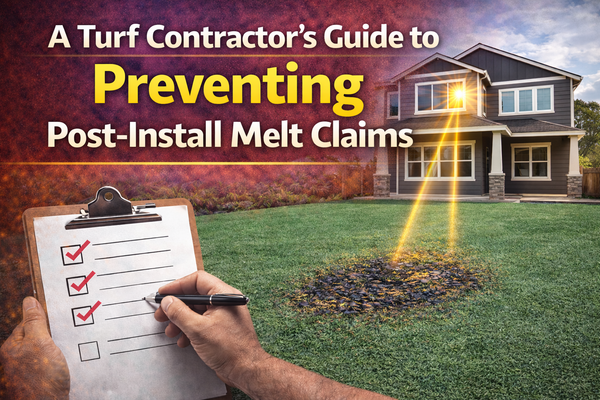
🛑 STOP Your ARTIFICIAL TURF from MELTING 🔥 Do-It-Yourself Window Film Solution 😎

How Well Does Your Home Siding Stand Up to Heat?

Over the past few years, home siding has changed and evolved to meet the needs of many homeowners. It has become durable and can stand up to extreme heat. But can it withstand high temperatures?

Many vinyl siding manufacturers claim that their products are resistant to extreme heat. But according to the Vinyl Siding Institute, the melting point of this material is between 160-165 degrees Fahrenheit. Therefore, your exterior wall could melt if it exceeds that temperature.

Why Is Your Vinyl Siding Melting?

There are two reasons why your home siding is melting. One reason is if the siding is exposed to fire. If you like cooking outdoors, the exterior wall is more prone to melting. This is because cooking equipment like grills can produce fire. As we all know, fire generates heat, and thus, results in melting the vinyl siding paint.

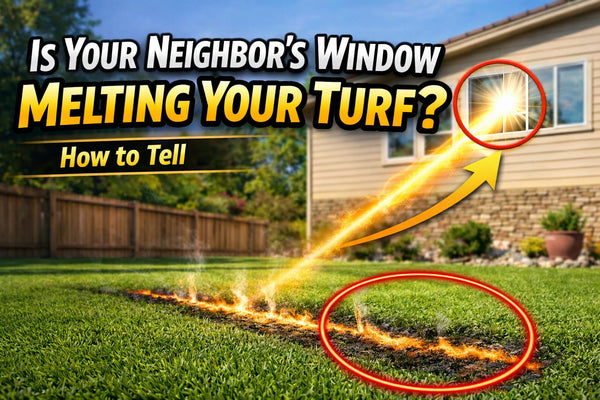
The second reason is the Low-E glazing. Window manufacturers made their glass units close to parallel. However, as the months passed by, the glazing becomes concave. Consequently, it creates a “magnifying glass effect,” concentrating the heat on a small area of your home siding. As a result, it slowly distorts your outer wall.

What to Do to Stop Heat Damage?

There are several ways to prevent heat damage. You can use a heat resistant vinyl siding material so it can withstand the heat. This particular exterior wall has UV protection that blocks the harmful effects of the sun. However, using this siding isn’t enough as it is still vinyl. Therefore, the melting point is still low.

To ensure your siding won’t warp or distort, you need to change your landscape and use some sun protection tools.

One of the things that you can do is to plant trees in your garden. Evergreens add beauty to your home. Furthermore, these are natural sun protectors as they block the sunlight from hitting the window. However, they cannot serve their purpose immediately. You have to wait for years before they can protect your house siding from melting.

If you want an instant solution, the best choice would be Turf Guard Window Film. This is no ordinary window film. For one, it is applied to the exterior part of the window. Thus, it absorbs more heat and reduces glare. Lastly, it doesn’t obstruct the window’s clarity, allowing you to see the outside view.

Indeed, this is the best sun protection tool for your home siding. To learn more about our vinyl siding melting solutions, visit our website now!

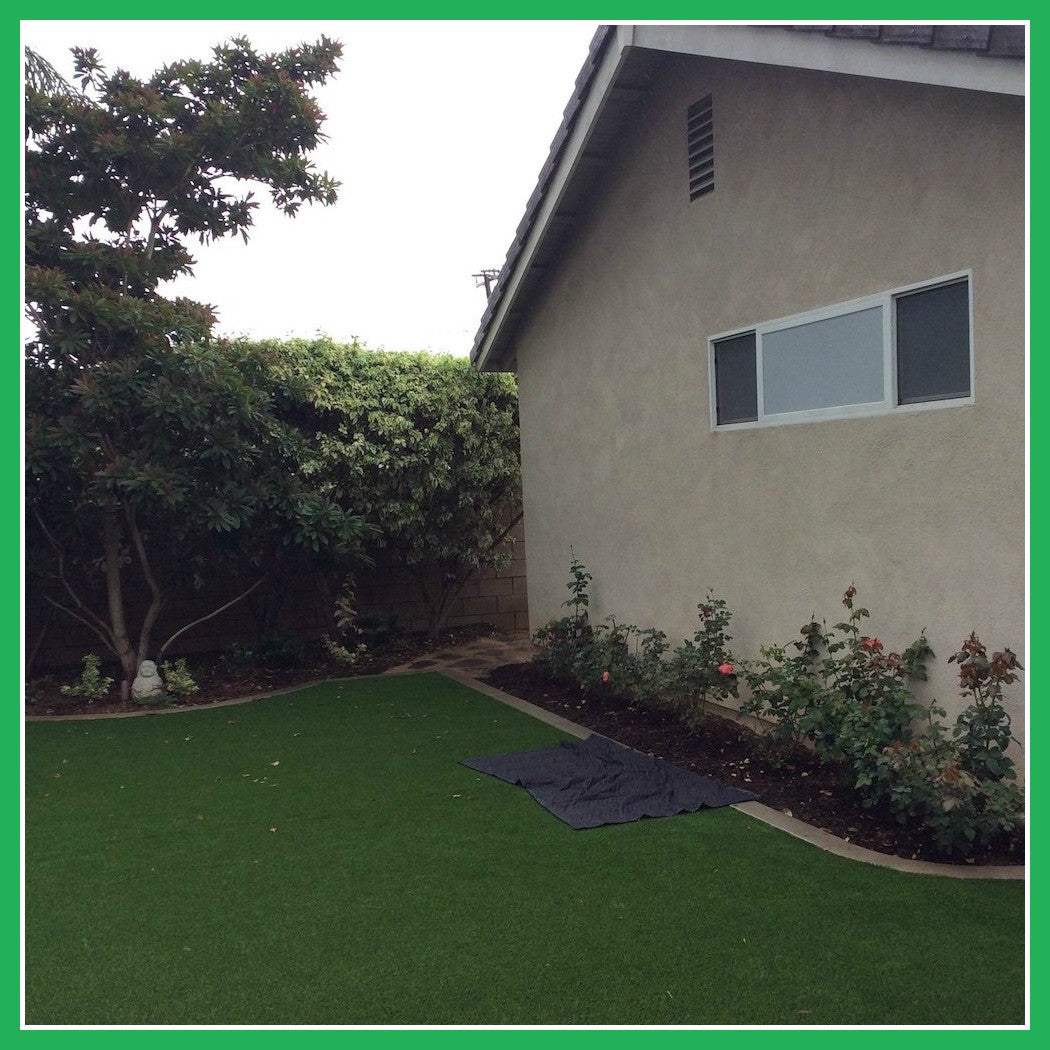
Protect Your Artificial Turf, Natural Grass and Vinyl Siding from Reflection Damage

Turf Guard Window Film is an Affordable Do-It-Yourself Window Film Solution

Related Posts

How Glass Fencing Burns Artificial Grass (And How to Stop It)
You install artificial turf expecting a clean, green, low-maintenance yard. Then you notice sections of your turf look warped, stiff, or discolored...
Read More
Artificial Turf Melting: The Real Reason It Happens (And How to Stop It Permanently)
Artificial grass is designed to handle extreme outdoor heat. So when homeowners discover sections of their turf warped, curled, or melted, the firs...
Read More
Can Windows Burn Artificial Turf? Causes, Signs, and How to Prevent Melt Damage
Homeowners are often shocked when they discover melted, shiny, or discolored patches in their artificial grass, especially when there’s no fire pit...
Read More
Does Turf Burn in Texas? What Homeowners Need to Know
Artificial turf has become increasingly popular across Texas thanks to extreme summer heat, watering restrictions, and the desire for low-maintenan...
Read More
Real Homeowner Experiences: Artificial Turf Installation, Upsides and Downsides
If you’re considering artificial turf for your yard, you’re not alone. Homeowners across the country have been making the switch from natural grass...
Read More
What Damages Artificial Turf? The Most Common Causes (and How to Prevent Them)
Artificial grass is known for being durable, low-maintenance, and long-lasting. But “durable” doesn’t mean indestructible. Homeowners are often sur...
Read More
Synthetic Grass Pros and Cons: What Homeowners Should Know Before Installing
Synthetic grass has become a popular alternative to natural lawns, especially in hot, dry climates where water conservation and low maintenance are...
Read More
How to Prevent Artificial Grass Fading in Arizona’s Intense Sun
Arizona sunshine is one of the biggest reasons homeowners choose artificial grass. No mowing, no watering, and a green lawn year-round sounds perfe...
Read More

Leave a comment

Please note, comments must be approved before they are published