🛑 STOP Your ARTIFICIAL TURF from MELTING 🔥 Do-It-Yourself Window Film Solution 😎

What Causes Vinyl Siding to Melt?

The short answer to the question "What causes vinyl siding to melt?" is that it's sunlight. But it's not sunlight shining down from above, it's the light that bounces off windows and onto the vinyl walls. And not just any windows either. So called distortion, the melting and buckling of vinyl siding, is caused by solar beams bouncing off energy efficient low-e windows that have a highly reflective surface and often a concavity that makes them act like lenses, focusing hot sunshine right onto the siding nearby.

Does vinyl distortion happen only in the summer, or only in hot climates?

We have lots of customers who come to us asking for help with vinyl siding melted by sun reflections who can't believe it happened to them. They thought sunlight reflections could never be hot enough to melt their siding in winter, or in their cooler climate, but the fact is sunshine reflected and concentrated by low-e windows can get hot enough to melt vinyl in all seasons and in most places in the world.

Will the heat created by reflected sunlight set my siding on fire?

No need to worry about your siding igniting and burning, that takes heat greater than 730º Fahrenheit. But to stop that siding melted by window glare, get Turf Guard Window Film and send the light scattering harmlessly instead of concentrating damagingly. This exterior window film will stop melted siding, damaged turf grass, and unpleasant reflections immediately.
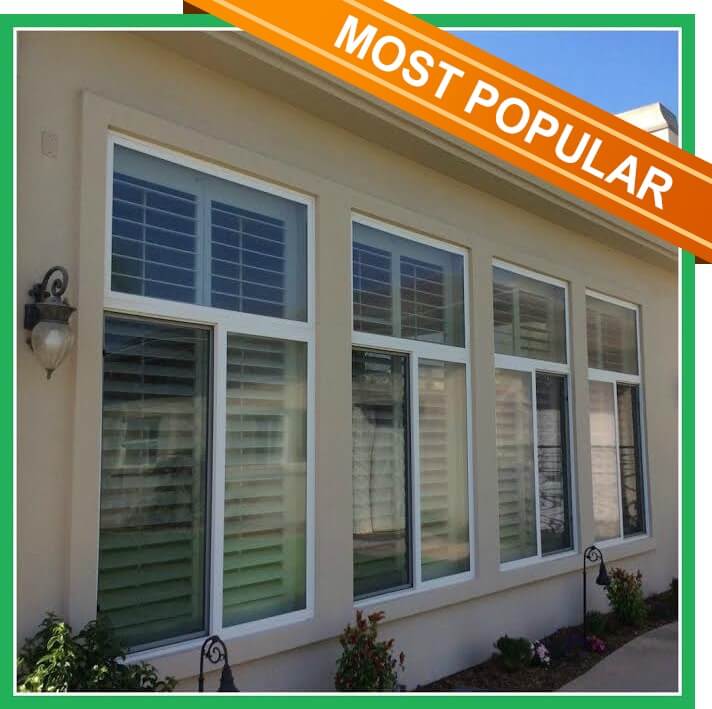
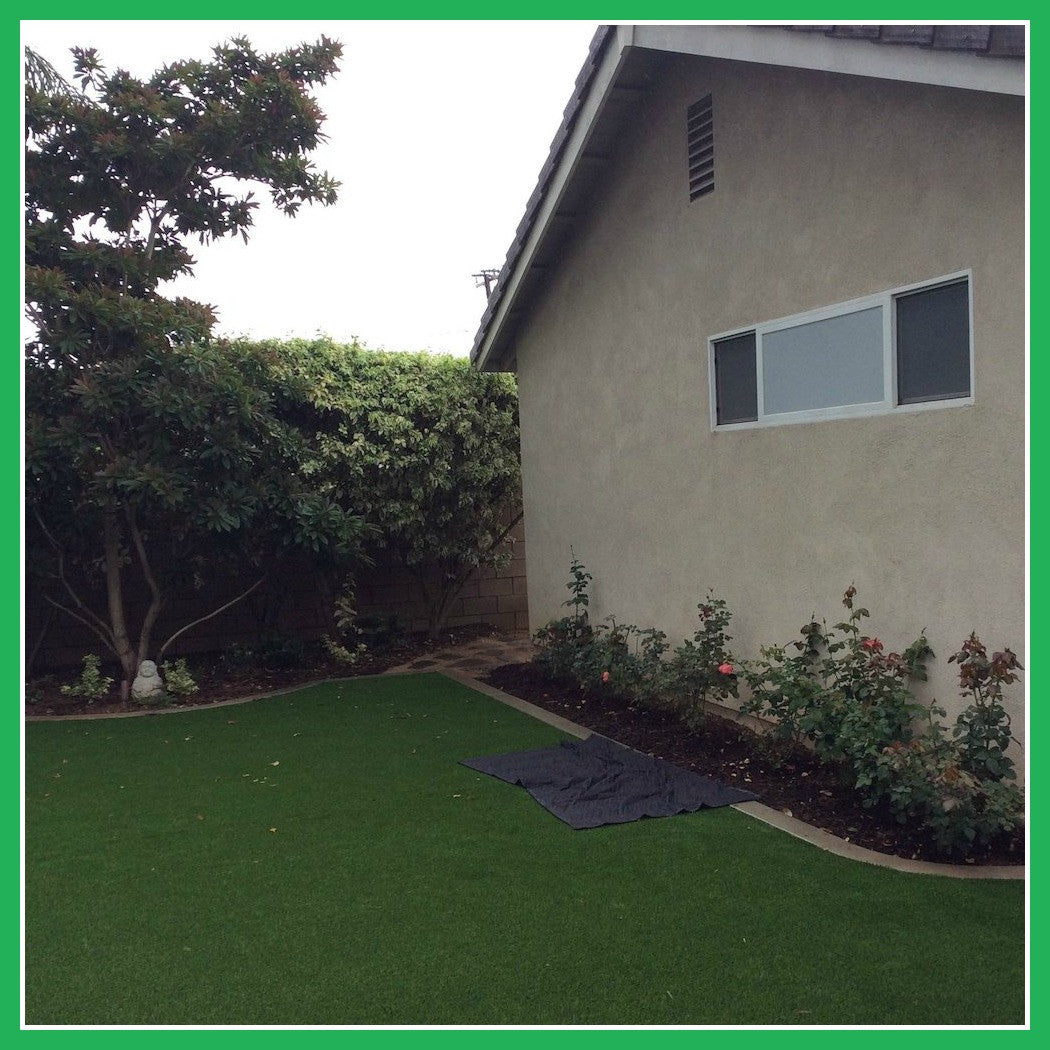
Protect Your Artificial Turf, Natural Grass and Vinyl Siding from Reflection Damage

Turf Guard Window Film is an Affordable Do-It-Yourself Window Film Solution

Related Posts

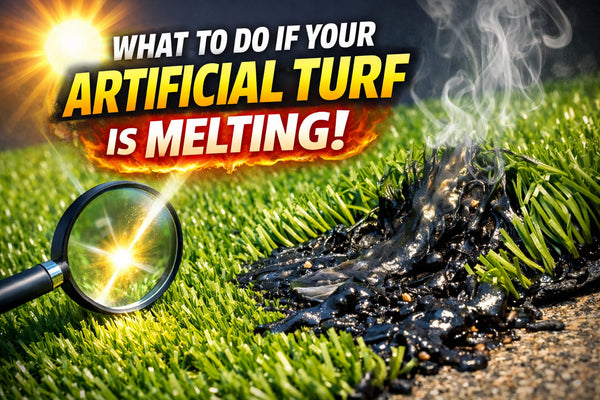
What To Do If Your Artificial Turf Is Melting
Artificial turf is designed to be durable, low maintenance, and resistant to weather. So when homeowners start noticing melted lines, shiny patches...
Read More
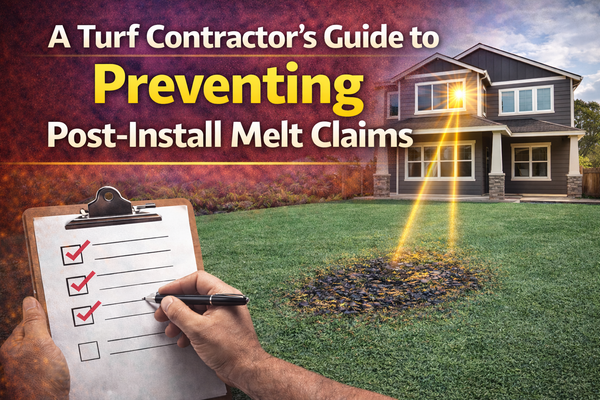
A Turf Contractor’s Guide to Preventing Post-Install Melt Claims
Artificial turf should be a low-maintenance, high-margin upgrade for homeowners. But in hot-climate markets like Arizona, Nevada, Texas, and Califo...
Read More
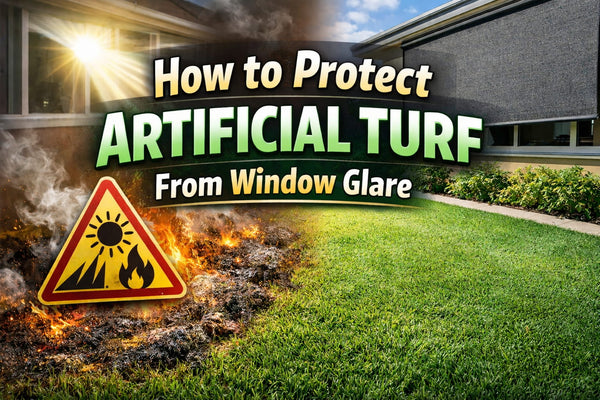
How to Protect Artificial Turf From Window Glare
Artificial turf is designed to withstand heat, sunlight, and heavy use. But many homeowners are surprised to discover that their artificial grass c...
Read More
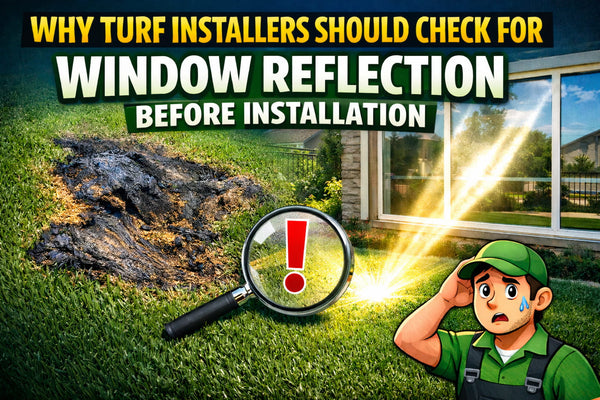
Why Turf Installers Should Check for Window Reflection Before Installation
Installing artificial turf is supposed to be a long-term upgrade: low maintenance, water savings, clean aesthetics, and durability in extreme heat....
Read More
Are Home Windows Melting Your Artificial Turf?
If your artificial grass is melting in straight lines, shiny patches, or strange circular patterns, you might assume: The turf was defective Th...
Read More
What Is Low-E Glass and Why Does It Reflect Heat?
If you’ve ever wondered why your artificial turf, siding, or patio furniture is melting, even when the weather doesn’t seem extreme, the answer may...
Read More
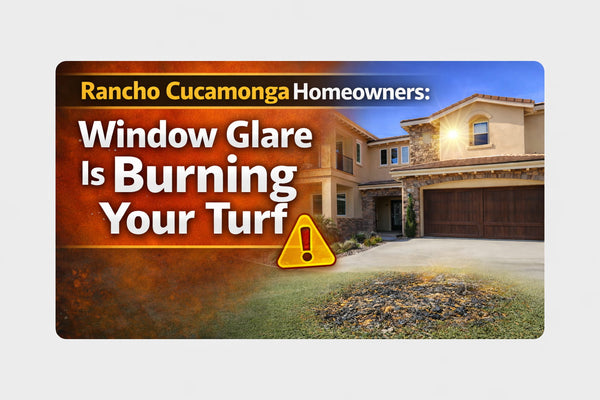
Rancho Cucamonga Homeowners: Window Glare Is Burning Your Turf
You installed artificial grass to avoid brown patches, high water bills, and constant maintenance. So when you start seeing melted streaks, shiny p...
Read More
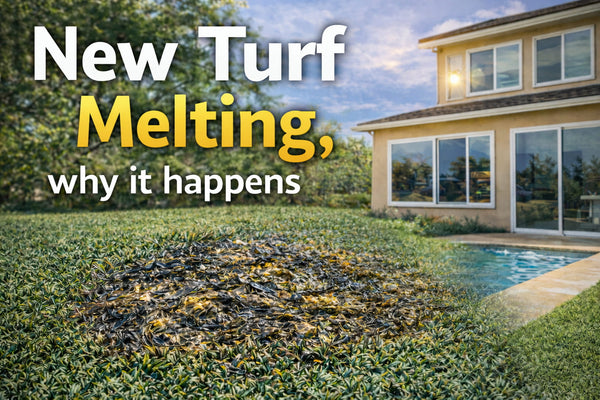
Burn Marks on a New Turf: Why It Happens and How to Stop It
Installing a new artificial lawn is supposed to be the end of brown patches, dead spots, and constant maintenance. So when homeowners start noticin...
Read More

Leave a comment

Please note, comments must be approved before they are published