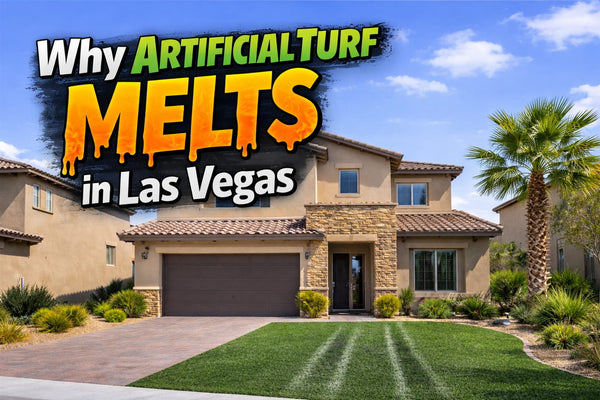
Many homeowners in Las Vegas invest in artificial turf to create a beautiful, low-maintenance yard that stays green year-round. But some homeowners are surprised to discover strange damage appearing across their lawn—thin lines, shiny patches, or sections of turf that suddenly look melted.
At first glance, it’s easy to assume the turf itself is defective or that the desert heat is simply too intense. In reality, the cause is often something far less obvious: sunlight reflecting off nearby windows.
Understanding how window reflection affects artificial grass can help homeowners identify the problem quickly and prevent further damage.

When Sunlight Becomes Concentrated Heat
Sunlight on its own is not usually strong enough to melt artificial turf. Synthetic grass is designed to withstand outdoor temperatures and long periods of sun exposure.
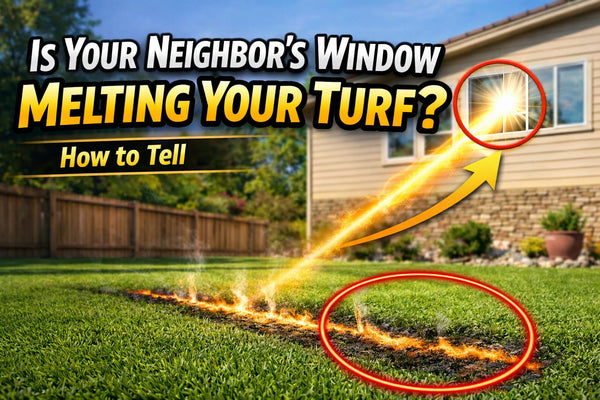
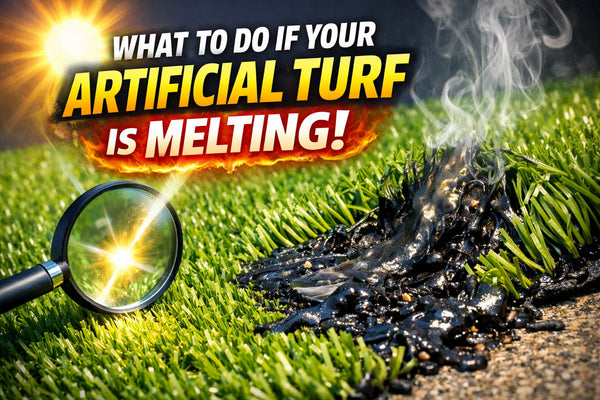
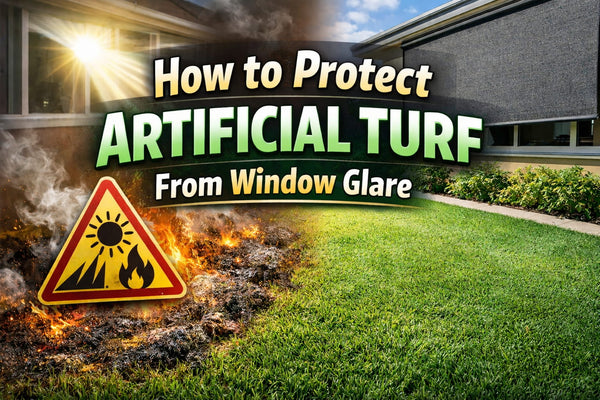
However, when sunlight reflects off certain surfaces, especially glass, it can become concentrated into a narrow beam of heat.

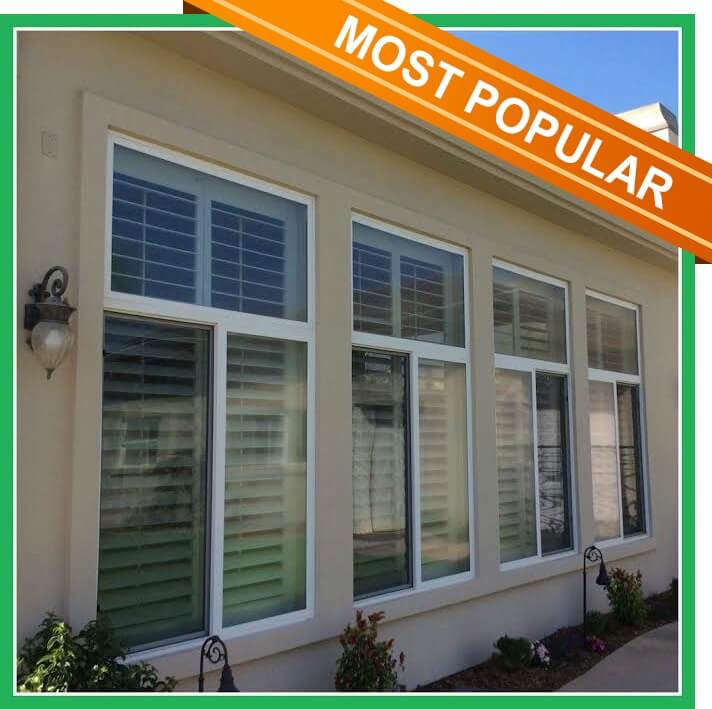
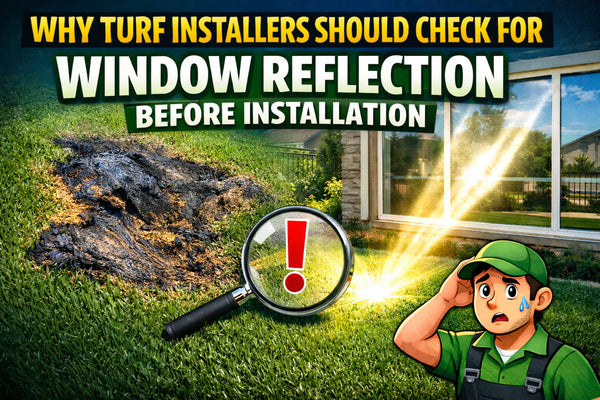
Many modern homes in Las Vegas use Low-E energy-efficient windows, which are designed to reflect solar energy away from the house to help keep interiors cooler. Under specific angles, these windows can act almost like mirrors, redirecting sunlight outward.
If that reflection lands on a section of artificial turf, the energy becomes concentrated into a much smaller area. The surface temperature of that spot can rise dramatically, far beyond the surrounding air temperature.
Over time, that concentrated heat can damage the turf fibers.
Why the Damage Looks Like Lines or Streaks
One of the most recognizable signs of reflection damage is the pattern it creates.
Instead of random patches, homeowners often notice:
-
Narrow lines across the lawn
-
Parallel streaks in the turf
-
Areas where the grass appears flattened or glossy
-
Repeated damage in the same locations
These patterns form because the reflected sunlight moves slowly across the yard as the sun shifts throughout the day. The path of the reflection leaves a visible trail where the turf has been exposed to higher temperatures.
In some cases, the damage may appear gradually, becoming more noticeable as the turf fibers begin to deform.

Why This Happens So Often in Las Vegas
Las Vegas neighborhoods have several characteristics that make reflection damage more likely.
First, the region receives extremely strong and consistent sunlight throughout the year. With more than 300 sunny days annually, reflective surfaces are exposed to constant solar energy.
Second, many newer homes are built with large glass windows and sliding doors. These reflective surfaces can redirect sunlight toward nearby landscaping.
Finally, homes are often built relatively close together. This means the reflection causing turf damage may not even come from your own house, it could originate from a neighboring home’s windows.

Early Signs Homeowners Should Watch For
Turf doesn’t always melt immediately. Often there are subtle changes before major damage appears.
Homeowners might notice:
-
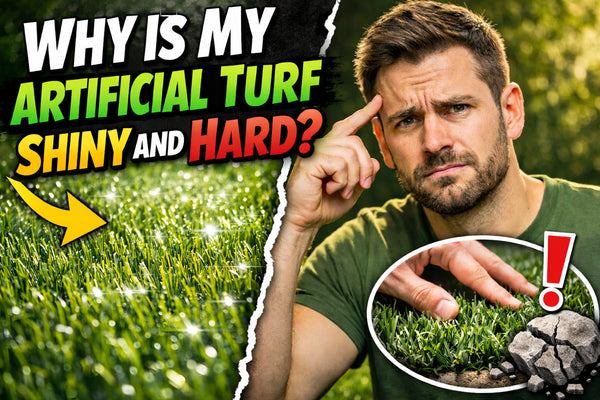
Turf blades that look unusually shiny
-
Fibers that feel stiff or brittle when touched
-
Small sections of grass that appear slightly flattened
-
Faint discoloration along narrow paths
These early warning signs indicate that a particular area of the lawn is experiencing higher heat exposure than the rest of the yard.
Recognizing these symptoms early can help prevent more serious damage.
Identifying the Source of the Reflection
If turf damage appears in lines or narrow streaks, it’s worth observing how sunlight interacts with nearby windows.
During the brightest part of the day, stand near the damaged area and look toward nearby glass surfaces. The window creating the strongest glare or reflection is often the source of the concentrated sunlight.
Sometimes the reflection moves slowly across the yard throughout the afternoon, creating a visible path where heat exposure occurs.
Understanding where the reflection originates is the first step toward solving the issue.
Protecting Artificial Turf From Reflection Damage
Artificial turf is a long-term landscaping investment, and most homeowners expect it to last many years. When reflection damage occurs, simply replacing the turf does not address the underlying cause.
The key is to manage the reflection itself so sunlight does not concentrate in one location.
This may involve adjusting landscaping elements, adding shade, or applying Turf Guard window film, a window treatment designed to reduce glare and diffuse reflected sunlight.
By controlling the reflection, homeowners can prevent repeated damage and protect the appearance of their artificial lawn.
Keeping Your Backyard Looking Its Best
Artificial turf remains one of the most practical landscaping solutions for Las Vegas homes. When properly installed and protected from concentrated heat sources, it can maintain its appearance and durability for many years.
For homeowners who notice unusual patterns of turf damage, window reflection is often the hidden factor. Identifying and addressing it early can help ensure your synthetic lawn stays green, safe, and intact, even under the intense desert sun.