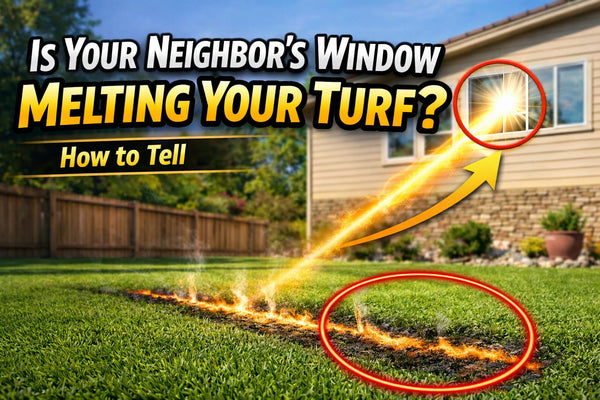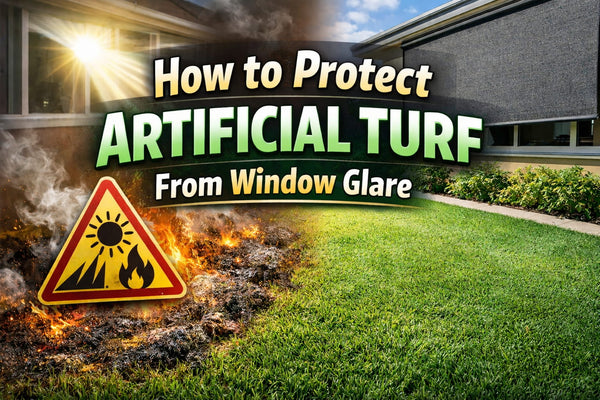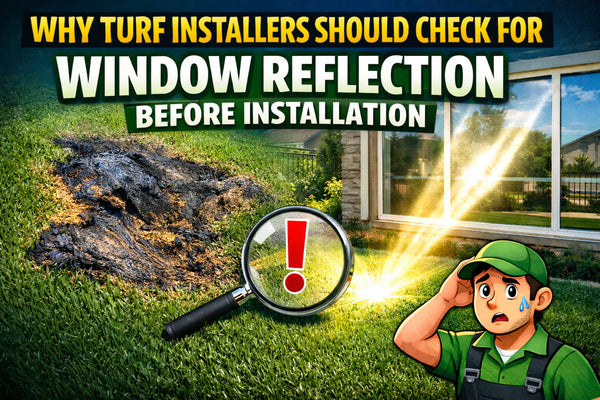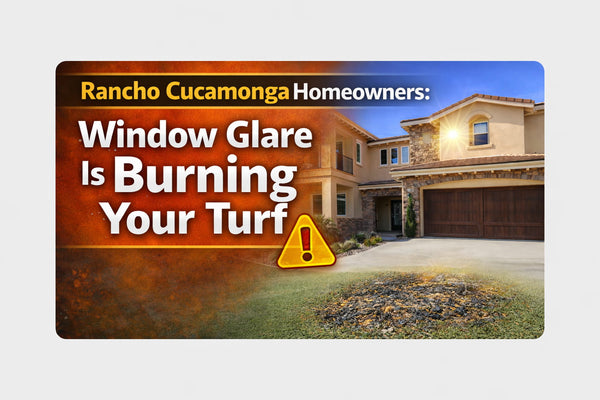
If you’ve ever wondered why your artificial turf, siding, or patio furniture is melting, even when the weather doesn’t seem extreme, the answer may be your windows.
Specifically, Low-E glass.
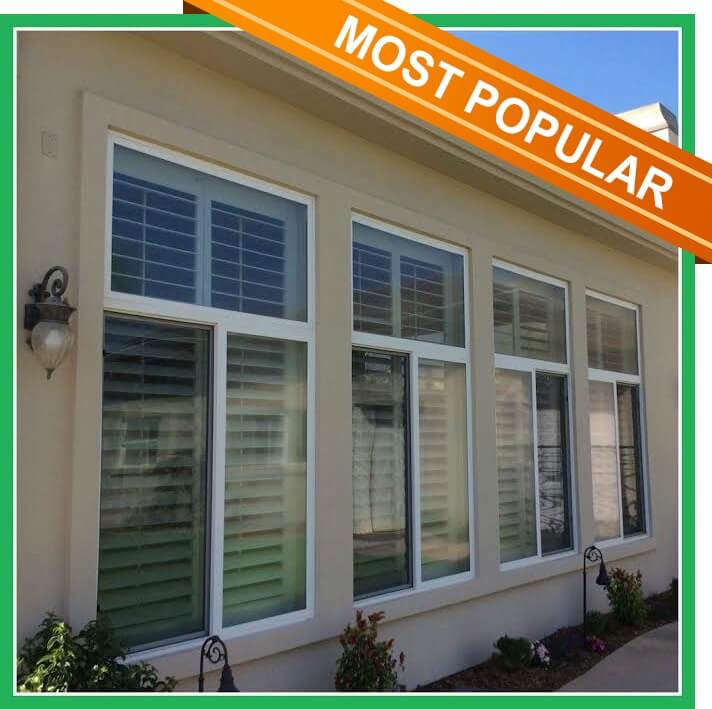
Low-E windows are energy-efficient and widely used in modern homes. But under certain conditions, they can reflect concentrated sunlight strong enough to create damaging hot spots.
Let’s break down what Low-E glass actually is, how it works, and why it sometimes causes unexpected problems outdoors.
What Does “Low-E” Mean?
Low-E stands for low emissivity.
Emissivity refers to how much heat (infrared energy) a surface radiates. Low-E glass is designed to reflect heat instead of absorbing or transmitting it.
In simple terms:
-
In hot climates, Low-E glass reflects solar heat away from your home.
-
In colder climates, it reflects interior heat back inside.
That’s why it improves energy efficiency and reduces HVAC costs.
How Low-E Glass Is Made
Low-E windows have a microscopic metallic coating applied to one of the glass surfaces inside a double-pane unit.
This coating:
-
Reflects infrared heat
-
Allows visible light to pass through
-
Reduces UV penetration
-
Improves insulation performance
You usually can’t see the coating with the naked eye, but you can see its effect in certain lighting conditions.
Sometimes, that effect looks like glare.
Why Does Low-E Glass Reflect Heat So Strongly?
Low-E coatings are engineered to reflect infrared radiation, the part of sunlight responsible for heat.
When sunlight hits the glass at certain angles, especially:
-
Late morning to mid-afternoon
-
During spring and summer
-
On large, slightly curved window panels
The reflected light can:
-
Concentrate into a narrow beam
-
Intensify like a magnifying glass
-
Create surface temperatures exceeding 200°F
This is known as the hot-spot effect or solar reflection phenomenon.
Why Some Homes Experience Stronger Reflection
Not all windows create damaging glare. Several factors increase the likelihood:
1️⃣ Window Angle and Orientation
South- and west-facing windows are most common culprits.
2️⃣ Slight Glass Curvature
Double-pane glass can slightly bow inward or outward due to pressure differences.
This subtle curve can intensify reflection.
3️⃣ Large Window Panels
The bigger the glass surface, the stronger the potential reflection.
4️⃣ Close Neighboring Structures
In some neighborhoods, reflected sunlight from one home can land directly on another yard.
What Can Low-E Reflection Damage?
When concentrated enough, reflected sunlight has been known to:
-
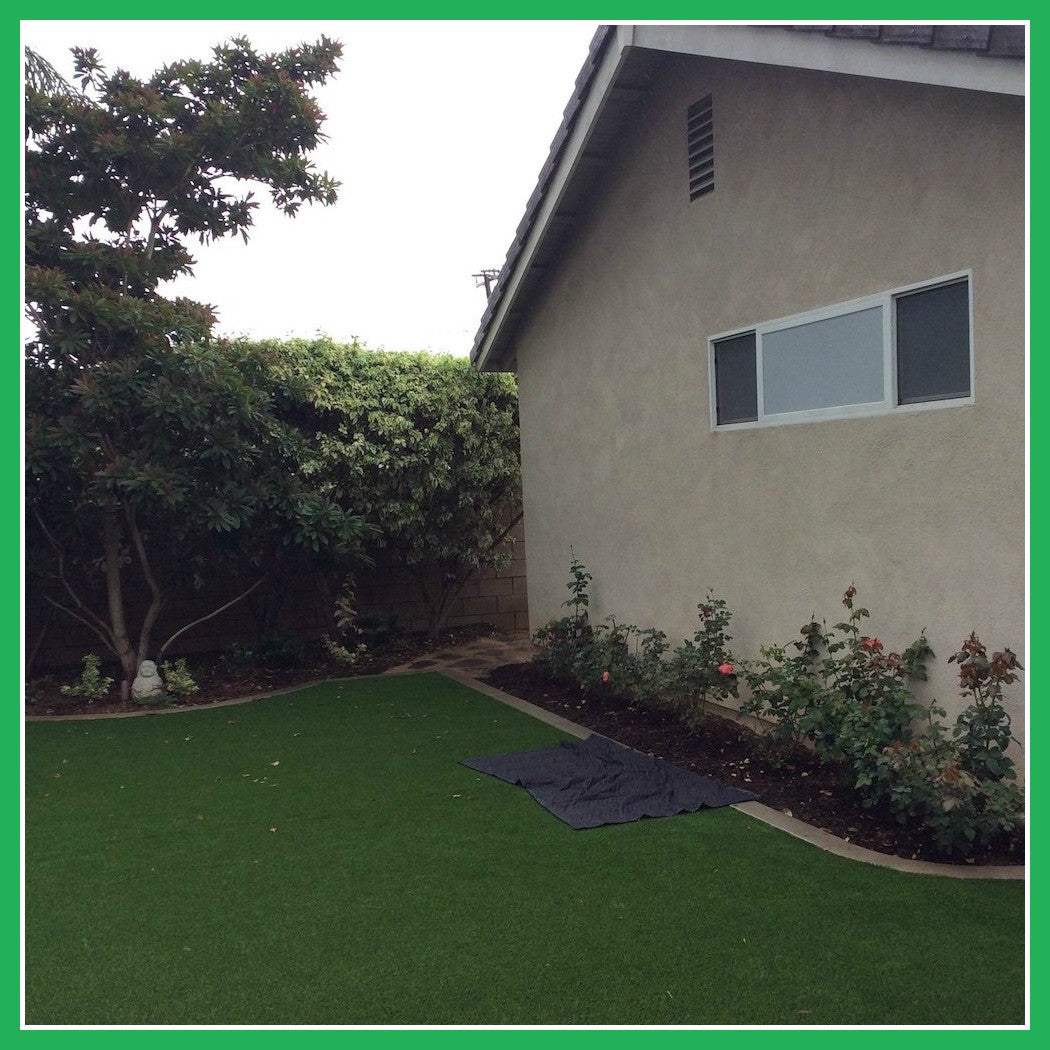
Melt artificial turf
-
Warp vinyl siding
-
Damage patio furniture
-
Crack synthetic decking
-
Fade outdoor surfaces
It’s important to note:
The window itself isn’t defective. It’s doing exactly what it was designed to do, reflect heat.
The issue occurs when that reflected heat concentrates in one location.
Is Low-E Glass a Problem?
Not at all.
Low-E windows:
-
Improve energy efficiency
-
Lower utility bills
-
Increase comfort
-
Meet modern building codes
The reflection issue only becomes a concern when:
-
There’s a reflective angle alignment
-
Surrounding materials are heat-sensitive
-
No diffusion solution is in place
How to Reduce Harmful Reflection
If reflection is causing damage, solutions focus on diffusing or interrupting the beam before it concentrates.
Common options include:
-
Exterior window film designed to break up glare
-
Solar screens
-
Shade structures
-
Landscaping adjustments
The key is stopping the concentrated reflection at the window, not replacing the damaged surface.
The Bottom Line
Low-E glass is an energy-efficient technology designed to reflect heat and improve home performance.
But under the right sun angle and conditions, that same reflective property can concentrate sunlight into powerful hot spots.
If you’re noticing melted turf, warped siding, or unusual burn patterns outdoors, Low-E window reflection may be the hidden cause.
Understanding how it works is the first step toward preventing damage, without sacrificing the energy efficiency benefits that made Low-E windows popular in the first place.