🛑 STOP Your ARTIFICIAL TURF from MELTING 🔥 Do-It-Yourself Window Film Solution 😎

4 Facts You Probably Don’t Know About Reflected Sunlight Damage

Most of us, if not all, already know that sunlight can be damaging. We have experienced how extreme heat can be dangerous to our skin. However, what most people don’t know is that it can also cause harmful effects in our home, especially when solar heat and glare are being reflected by the glass windows.

When the heat of the sun strikes the glass, it is reflected back outside, and this process intensifies the heat. This further adds to its already damaging effects. It is one of the low-E glass problems with its highly reflective surface. The same thing is also true for treated windows.

Here are some of the things that you probably don’t know about reflected sunlight damage.

1. Reflected sunlight can melt vinyl siding.

Have you ever wondered why you sometimes find discoloration in your vinyl siding even when it’s newly installed? Your vinyl siding is most probably not immune to the damaging effects of the solar reflections from your windows. It is a common problem called thermal distortion wherein warps and flakes appear on the surface of your vinyl siding.

It will most probably require you the needed melted siding repair, and that is just another unnecessary cost especially when your siding is new.

    2. It can melt synthetic turf.

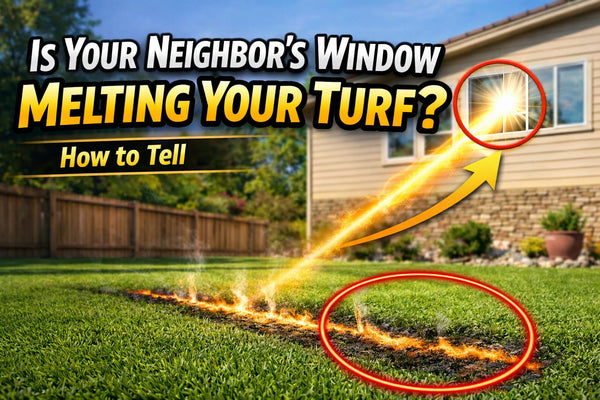
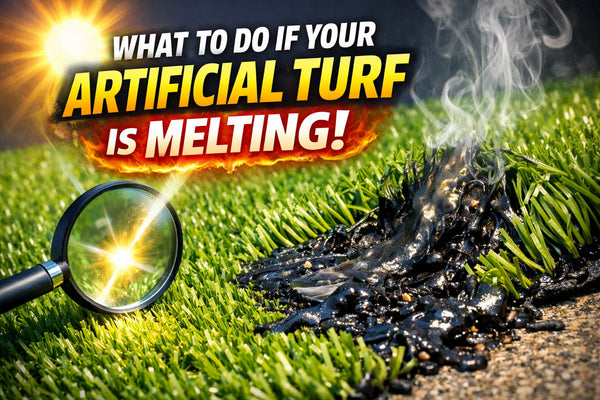
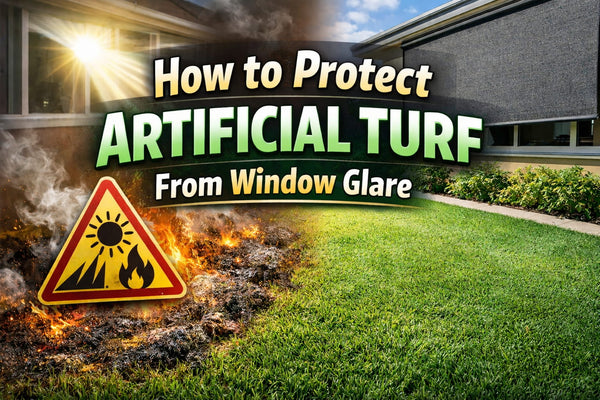
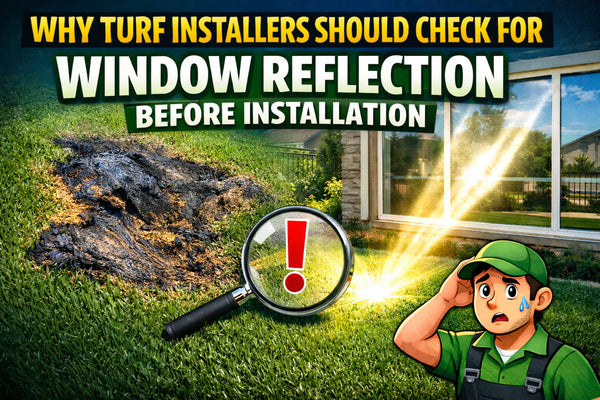
      Another thing you probably don’t know about reflected sunlight damage is that it can make your synthetic turf melt. Window reflection is enough to send your lawn to its melting point. You can see the damage through the dark spots of discoloration in your lawn,  similar to how dead grass looks like.

        3. It can cause discoloration on exterior paint.

          Another reflected sunlight damage is the discoloration of the exterior paint in your home. Aside from the reflected solar heat, the reflected UV rays also have this effect on the paint. It damages the binders of the paint and will cause the pigments to fall off, hence, the discoloration.

          Extreme sunlight can also dehydrate the paint and will cause it to dry until it builds flakes around the damaged surface.

            4. Reflected light causes exterior furniture fading.

              Direct sunlight is not often enough to cause damage to furniture at home, but reflected solar heat is not the same thing. Reflected sunlight can be the bane of your outdoor furniture. It can cause discoloration to wood as well as the fabric in your furniture.

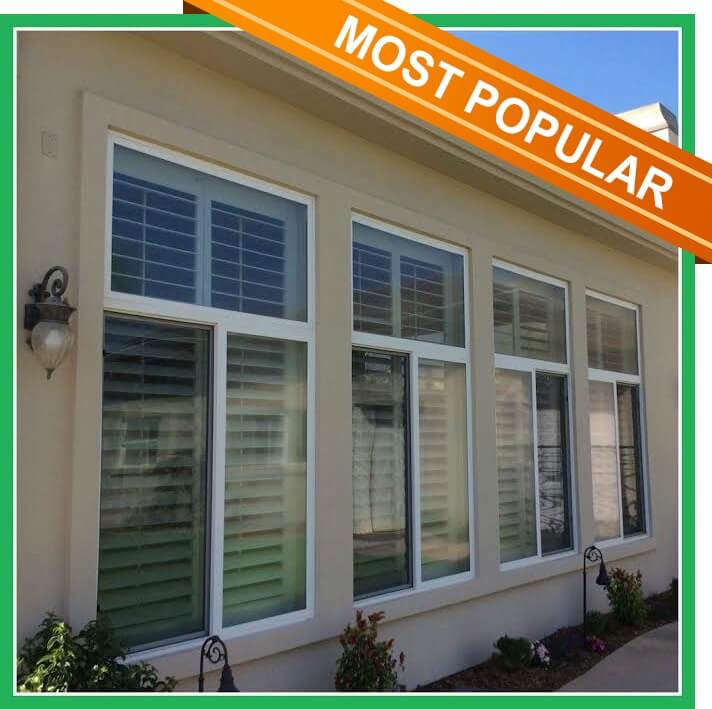
              Reflected sunlight can cause a lot of damage, but it is something that you can quickly reverse. The primary thing you need to do is eliminate the reflective surface of your glass windows, and you can do this by installing perforated window films.

              If you are interested in trying the last option, then visit our website and check out our Turf Guard Window Film.
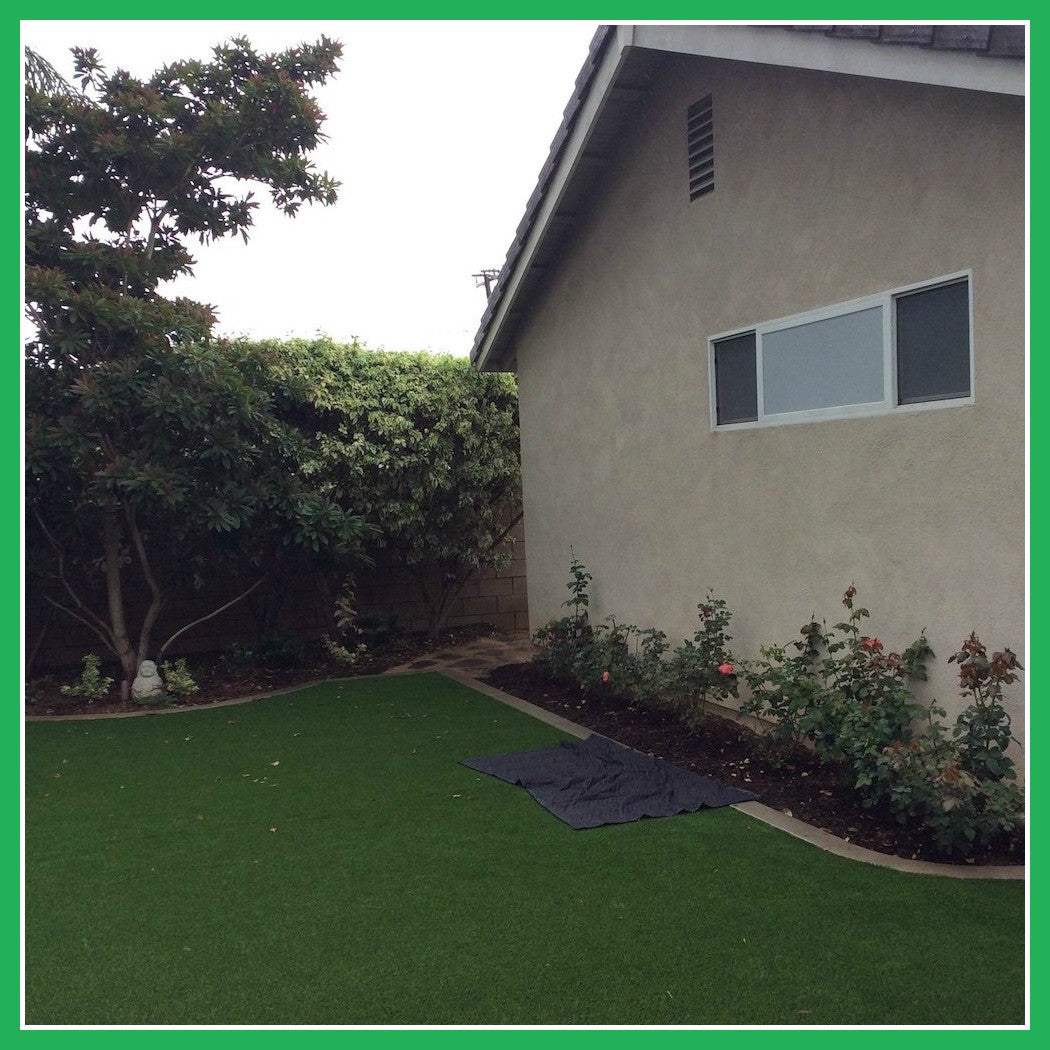
              Protect Your Artificial Turf, Natural Grass and Vinyl Siding from Reflection Damage

              Turf Guard Window Film is an Affordable Do-It-Yourself Window Film Solution

              Related Posts

              Real Homeowner Experiences: Artificial Turf Installation, Upsides and Downsides
              Real Homeowner Experiences: Artificial Turf Installation, Upsides and Downsides
              If you’re considering artificial turf for your yard, you’re not alone. Homeowners across the country have been making the switch from natural grass...
              Read More
              What Damages Artificial Turf? The Most Common Causes (and How to Prevent Them)
              What Damages Artificial Turf? The Most Common Causes (and How to Prevent Them)
              Artificial grass is known for being durable, low-maintenance, and long-lasting. But “durable” doesn’t mean indestructible. Homeowners are often sur...
              Read More
              Synthetic Grass Pros and Cons: What Homeowners Should Know Before Installing
              Synthetic Grass Pros and Cons: What Homeowners Should Know Before Installing
              Synthetic grass has become a popular alternative to natural lawns, especially in hot, dry climates where water conservation and low maintenance are...
              Read More
              How to Prevent Artificial Grass Fading in Arizona’s Intense Sun
              How to Prevent Artificial Grass Fading in Arizona’s Intense Sun
              Arizona sunshine is one of the biggest reasons homeowners choose artificial grass. No mowing, no watering, and a green lawn year-round sounds perfe...
              Read More
              How to Maintain Artificial Grass (Plus the Hidden Care Tip Most Homeowners Miss)
              How to Maintain Artificial Grass (Plus the Hidden Care Tip Most Homeowners Miss)
              Artificial grass is popular because it looks great year-round with far less upkeep than natural grass. But “low maintenance” doesn’t mean “no maint...
              Read More
              What Is Turf Guard Window Film and How Does It Prevent Turf Melting?
              What Is Turf Guard Window Film and How Does It Prevent Turf Melting?
              If your artificial turf is melting, shrinking, or discoloring, especially in straight lines or concentrated hot spots, the turf itself is rarely th...
              Read More
              How Scottsdale’s Heat and Water Restrictions Drive Artificial Turf Demand
              How Scottsdale’s Heat and Water Restrictions Drive Artificial Turf Demand
              Artificial turf has become increasingly common across Scottsdale, and it’s not just a design trend. The combination of extreme heat, limited rainfa...
              Read More
              Why Artificial Turf Melts in Scottsdale: How Windows and Sun Reflection Cause Turf Damage
              Why Artificial Turf Melts in Scottsdale: How Windows and Sun Reflection Cause Turf Damage
              Artificial turf has become a popular landscaping solution in Scottsdale due to extreme heat, limited rainfall, and water conservation priorities. B...
              Read More

              Leave a comment

              Please note, comments must be approved before they are published