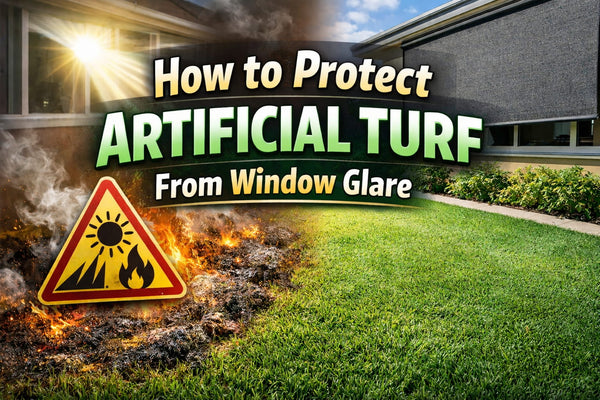
🛑 STOP Your ARTIFICIAL TURF from MELTING 🔥 Do-It-Yourself Window Film Solution 😎

4 Little Tricks to Stop Thermal Distortion on Vinyl Siding

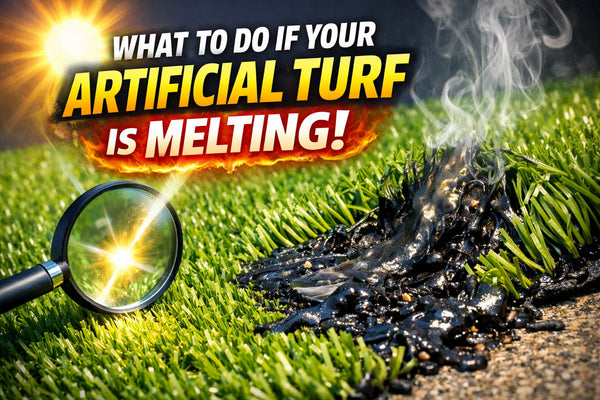
Go outside and take a look at your wall. Does it look like it’s melting? This condition is called thermal distortion. It is common to any object that is sensitive to extreme heat, just like your vinyl siding. It starts to distort once it triggers the vinyl siding melting point.

The question is – what causes thermal distortion in vinyl siding? There are two reasons for this. First is when the griller is near your vinyl siding, it absorbs heat, causing your wall to distort.

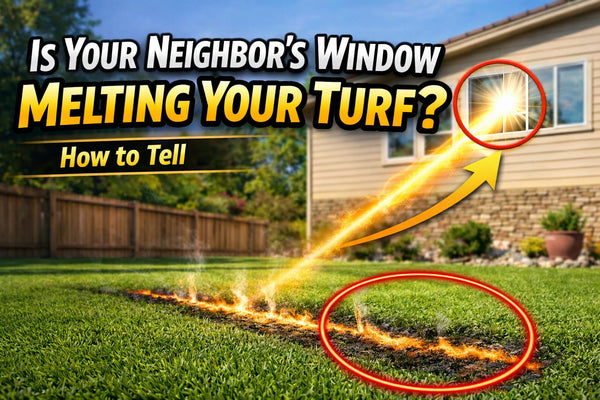
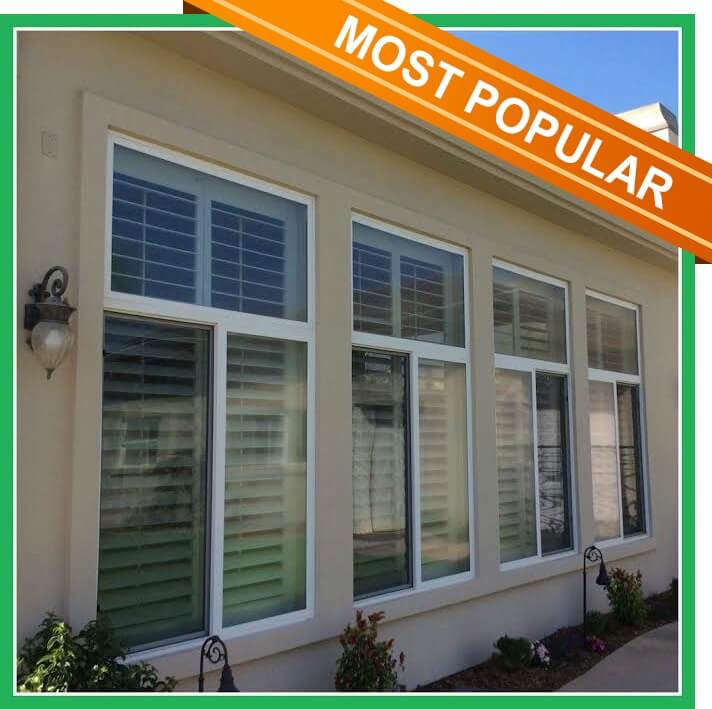
However, the main reason is your neighbor’s energy-efficient windows. When your home is facing your neighbor’s window, and the sun is in the right direction, it creates a reflection of sunlight. Then, your siding gets the reflected heat through the transmission, resulting to a thermal distortion on your vinyl siding.

Fortunately, you can stop your neighbor’s windows from melting your vinyl siding. Here are four little tricks to prevent thermal distortion in vinyl siding.

  1. Talk to Your Neighbor

One way to stop thermal distortion in vinyl siding is by talking to your neighbor. Tell her that her windows are causing your wall to melt. Give her suggestions like replacing their windows with standard models to stop the problem. If she doesn’t like the idea, tell her that you will help her with the project expenses.

  1. Get Rid of Reflective Objects and Cooking Equipment

If it’s not your neighbor’s fault, it can be the objects outside your home. If your grill is causing the problem, you need to put it away from your siding. You can keep it when it’s not in use or place it at least ten feet away from your wall. That way, you can still enjoy cooking outside your home without ruining your siding.

  1. Place Natural Privacy Screens in Front of Your House

Natural privacy screens, such as bushes and trees don’t just give privacy and beauty to your property. They also prevent the window reflection from melting your vinyl siding. Grow these plants strategically or place pots in front of your wall to protect vinyl siding from melting.

  1. Use Window Film for Turf

While it is used to protect your artificial grass against the harmful effects of the reflected sunlight, you can also use it to prevent thermal distortion. It diffuses the heat to avoid warping caused by the sunbeam.

To learn more about this solution, visit the Turf Guard Window Film website and find out how it can stop thermal distortion in vinyl siding.
Protect Your Artificial Turf, Natural Grass and Vinyl Siding from Reflection Damage

Turf Guard Window Film is an Affordable Do-It-Yourself Window Film Solution

Related Posts

What Damages Artificial Turf? The Most Common Causes (and How to Prevent Them)
Artificial grass is known for being durable, low-maintenance, and long-lasting. But “durable” doesn’t mean indestructible. Homeowners are often sur...
Read More
Synthetic Grass Pros and Cons: What Homeowners Should Know Before Installing
Synthetic grass has become a popular alternative to natural lawns, especially in hot, dry climates where water conservation and low maintenance are...
Read More
How to Prevent Artificial Grass Fading in Arizona’s Intense Sun
Arizona sunshine is one of the biggest reasons homeowners choose artificial grass. No mowing, no watering, and a green lawn year-round sounds perfe...
Read More
How to Maintain Artificial Grass (Plus the Hidden Care Tip Most Homeowners Miss)
Artificial grass is popular because it looks great year-round with far less upkeep than natural grass. But “low maintenance” doesn’t mean “no maint...
Read More
What Is Turf Guard Window Film and How Does It Prevent Turf Melting?
If your artificial turf is melting, shrinking, or discoloring, especially in straight lines or concentrated hot spots, the turf itself is rarely th...
Read More
How Scottsdale’s Heat and Water Restrictions Drive Artificial Turf Demand
Artificial turf has become increasingly common across Scottsdale, and it’s not just a design trend. The combination of extreme heat, limited rainfa...
Read More
Why Artificial Turf Melts in Scottsdale: How Windows and Sun Reflection Cause Turf Damage
Artificial turf has become a popular landscaping solution in Scottsdale due to extreme heat, limited rainfall, and water conservation priorities. B...
Read More
Why Homeowners in Scottsdale Choose Artificial Turf Over Natural Grass
Scottsdale homeowners face a unique combination of extreme heat, limited water resources, and high landscape maintenance costs. Because of this, mo...
Read More

Leave a comment

Please note, comments must be approved before they are published