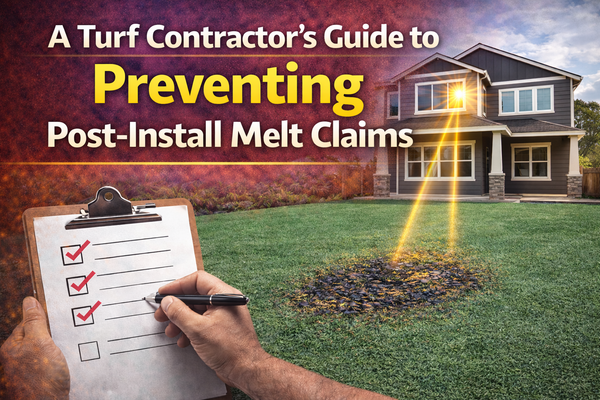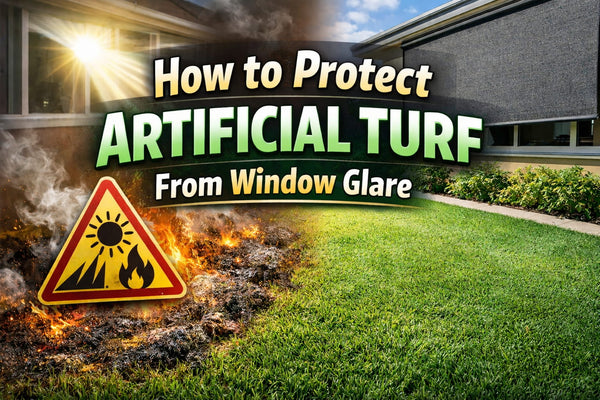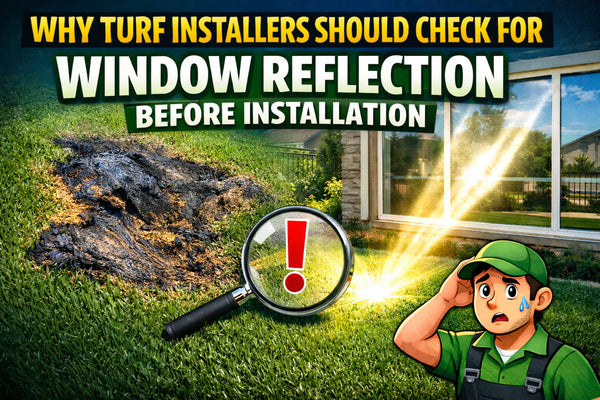
Many homes and establishments install low-E glass windows as they help in keeping lower indoor temperature, especially during the summertime. However, this type of window is, unfortunately, one of the top culprits as to why your sidings melt. These windows emit sunbeams and damages whatever get reflected.
Solar reflections can also damage your turf grass, some parts of your car, and even your vision if you are not careful. Moreover, the melting of vinyl siding is a common problem among neighborhoods that install low-e glass windows. Thus, we will have a rundown of the effective ways to reduce melting due to reflected sun rays.
1. Plant a tree.
Having a tree or a vine to shade your window and siding is one of the best ways to reduce melting of siding while keeping inside temperature cooler. Plants and trees are natural sun-blockers, and they keep air cooler.
You can hire someone to plant an already grown tree in your yard since it can be pointless if you still have to wait for it to grow because it might take years.
2. Replace your low-e glass windows.
The quickest way to put a stop to the melting of siding is to replace your low-e glass windows. You can ask your local glass window manufacturer for alternative low emissivity glass windows that won’t reflect the sun.Reflected sunlight on low-e glass windows does not only give damage during the summer. In fact, a house’s vinyl siding can be distorted due to window reflection from neighboring houses during a cold season.
As much as you want to keep your house cool, you must also see to it that you are not damaging your neighbor’s property. Thus, it is best to replace those low-e windows.
3. Replace your siding.
Another way to effectively prevent melting of siding is to replace it with a heat-resistant one. Vinyl siding has a melting point of up to 160℉ while the sun reflection on windows can go up to 200℉. Although installing heat-resistant siding can be expensive, you actually get to save yourself from spending money for melted siding repair everytime it gets distorted.
4. Install a window film.
If you don’t want to spend money on buying a new glass window and hiring someone to install it, you can resort to installing window films
Although window films do not last a lifetime, it’s an alternative solution to reduce melting of siding especially if you are on a budget. It deflects sun rays, so your windows do not reflect it.
In Conclusion
There are multiple ways to prevent your windows from melting vinyl sidings and damaging other properties. Keeping a cool temperature at home is what makes people buy low-emissivity windows which are great and practical. However, people should also not neglect the fact that these windows can damage other properties such as the siding.
If you are looking for effective and budget-friendly solutions to reduce melting of siding, visit Turf Guard Window Film to cater to your window film needs.