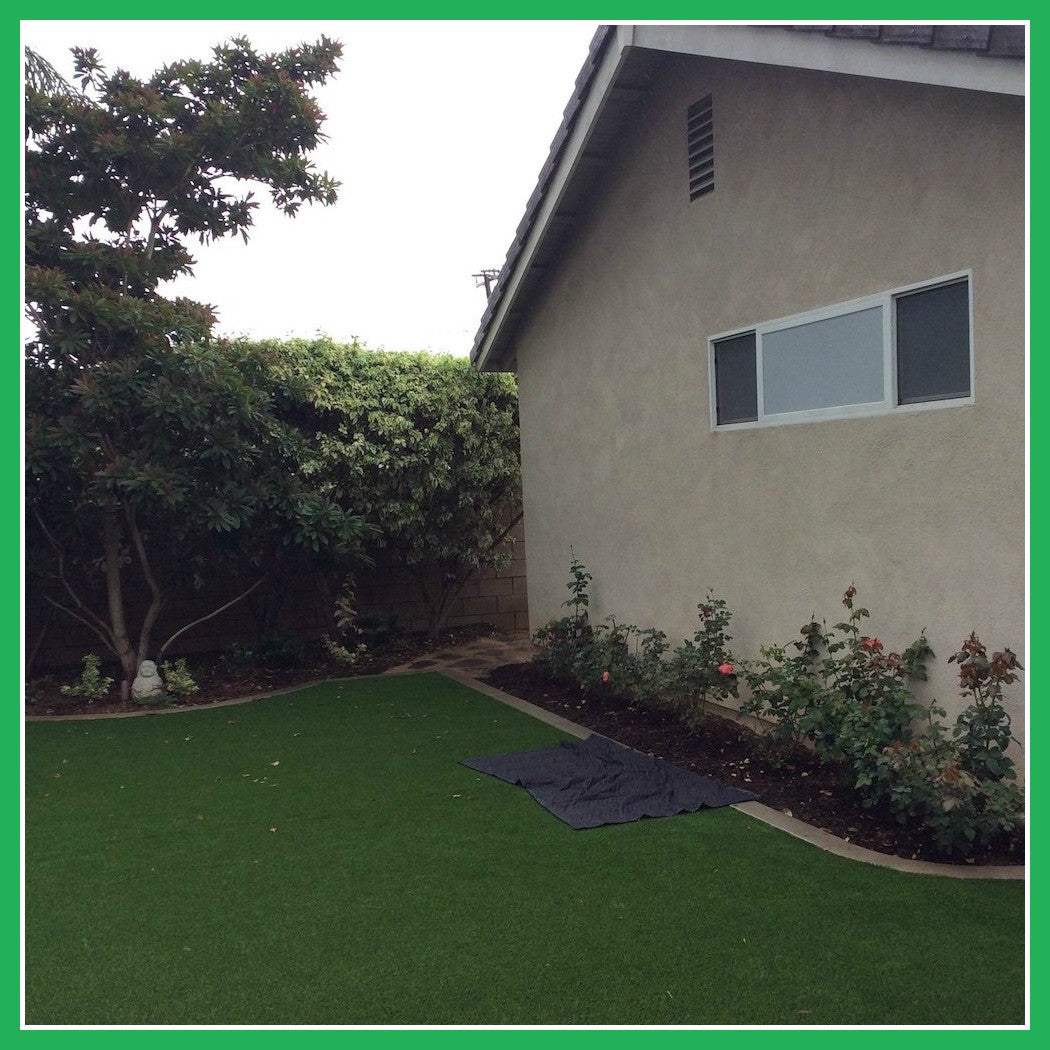
The government is encouraging the public to reduce water consumption. According to research, our water utilization is faster than its renewal. To avoid the worst-case scenario, we need to change our habits before it’s too late. The best way to start is by replacing your natural grass with fake lawn.
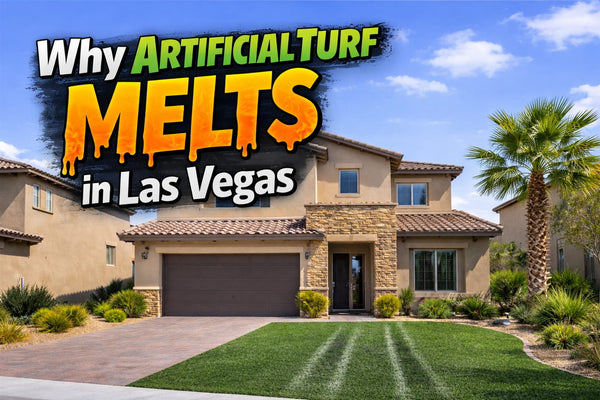
Compared to the conventional field, artificial turf requires a little amount of water as it doesn’t wilt. Furthermore, it adds permanent beauty to your property and your neighborhood. However, there’s an existing problem with this grass – it burns.
Why Is Your Turf Burning?

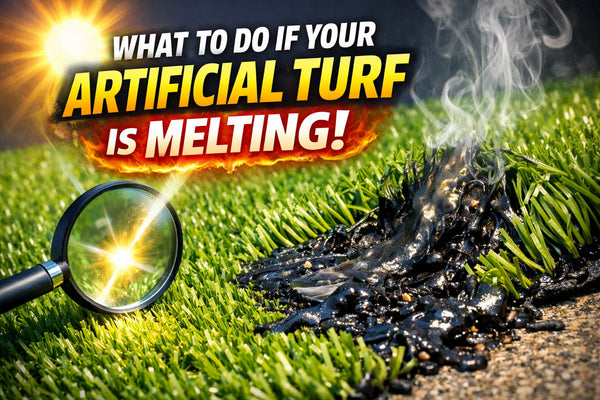
There are two reasons why your fake lawn is disintegrating. One reason is direct heat application. This happens when you cook or you light a fire pit outdoors. Sparks could fly and fall to the ground. This could create brown spots all over the turf, which is an eyesore.
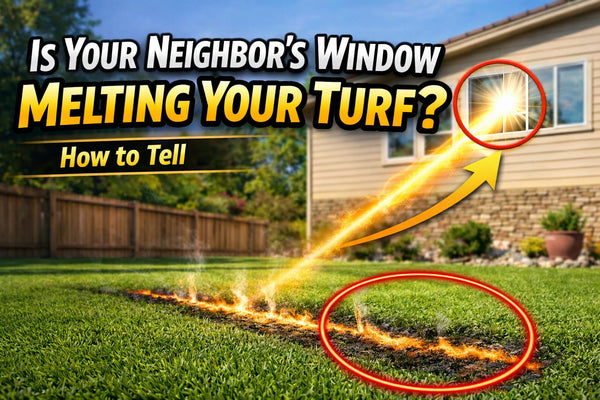
Another reason is your energy-efficient windows. The glazing used by these windows helps reduce energy consumption.They allow the natural light to come inside while stabilizing the temperature by reflecting heat away from your home. However, this could cause your artificial lawn to burn.
Since the heat has nowhere to go, the glazing concentrates and directs it onto your fake lawn. As a result, brown spots start to appear.
However, windows are not the only reason. Your mirror, glass door, and polished gutter will also have the same adverse effect. Anything that has reflective properties could cause your grass to burn.
How Will You Know if Your Turf is Burning?
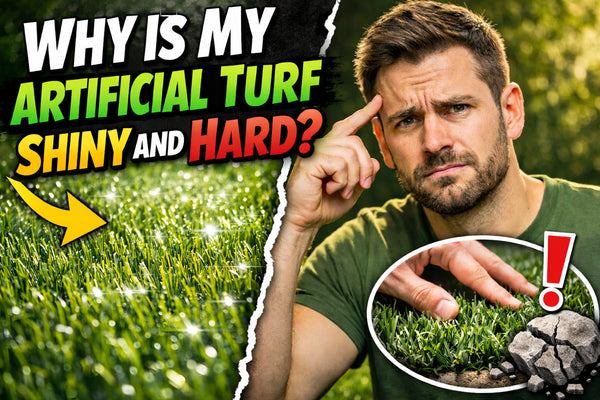
Aside from brown spots, there are other indications that your artificial grass is burning. First is the temperature. The fake lawn is naturally warmer than natural turf. However, it gets scorching hot when exposed to the sun’s reflection. If you cannot handle the heat on your feet or your palm, it means your field is burning.
Another indication is discoloration. Newly installed and well-maintained turf features a lush green color. However,sun exposure causes it to reflect off your windows. Thus, it could burn the grass and affect the appearance of your turf.
Is There a Way to Stop the Sun’s Reflection From Burning Your Grass?

There are several ways to prevent this damage. You could water the area every 30 minutes to cool down the synthetic lawn. However, this could increase your water bills, which is the reverse of its benefits.
Therefore, the best way to stop the sun’s reflection from destroying your grass is by using Turf Guard Window Film. This is no ordinary window film. For one, it doesn’t obstruct the natural light and the outside view. It has a big screen-like feature that allows you to see the scenery outside your home and save electricity.
Second, it has anti-glare properties, which reduce reflections. Consequently, it absorbs heat, which minimizes the temperature. Hence, you no longer need to worry about your synthetic grass. Simply apply it to your windows, and you’ll have a lush green lawn all year.
Turf Guard Window Film comes in an array of colors.But the most popular item is the Clear Perforated Window Film. Try this product and get the best protection for your fake lawn.