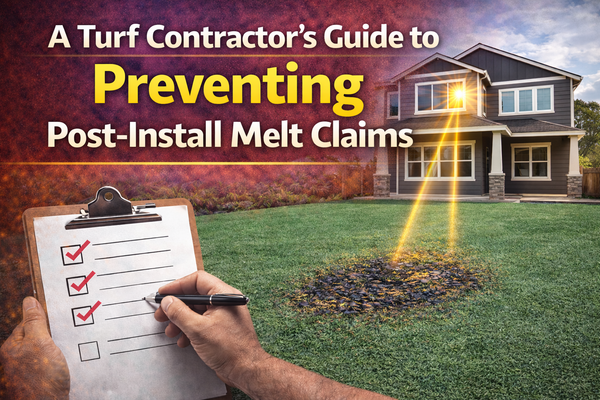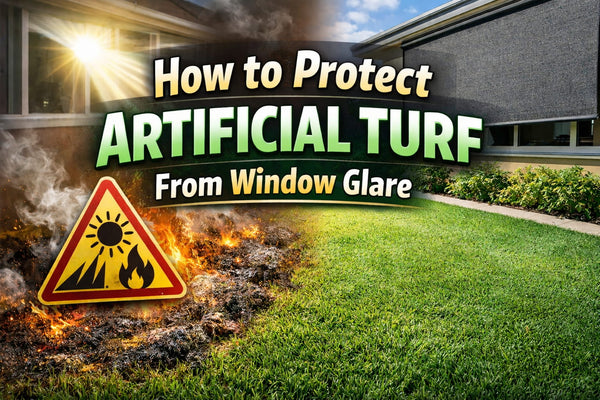
🛑 STOP Your ARTIFICIAL TURF from MELTING 🔥 Do-It-Yourself Window Film Solution 😎

Do’s and Don'ts When Having a Synthetic Turf

Installing a synthetic turf can instantly beautify the home exterior and provide a recreational area for the family. It requires very minimal care and maintenance making it more cost-efficient and convenient than the regular grass or field.

However, there are several things to consider when installing and properly maintaining a synthetic turf. This can include:

Do’s

  • Remove all plant roots, weeds, and other debris before installation

By doing so, synthetic turf can be flattened on the ground and won’t develop bulky areas. It can also refrain plants from growing under the installed artificial turf that can cause damage such as dents and holes.

  • Keep the animals away from the turf

Pets, specifically cats and dogs, have a habit of digging holes in the lawn or backyard. Keeping the synthetic turf pet free can prolong its quality and prevent hole damages created by our loved pets.

This can also keep the turf from unnecessary debris, dust, and odor.

  • Fill uneven areas

Before installation, make sure that the field is well-filled and flattened. This is to ensure that the ground is even before adding on the synthetic turf.

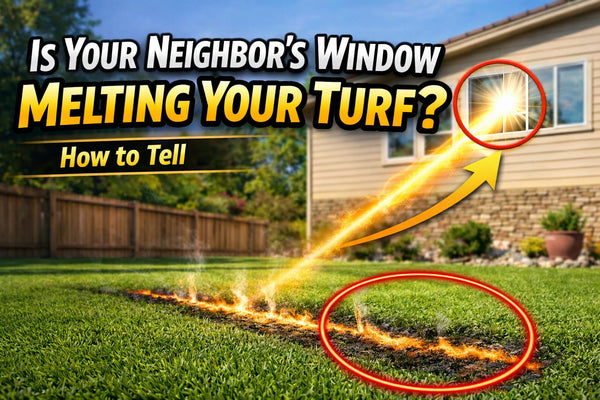
  • Be mindful of window reflection

Window reflection magnifies and intensifies the heat being reflected towards the turf hence can cause burning and melting.

Don'ts

  • Walk on the artificial turf right after installation

Leave the newly installed artificial grass for at least 24 hours before walking or doing activities on it. This is to give ample time for the adhesive to harden and be ready.

  • Perform barbeque activities on the artificial field

Heat can damage the artificial field drastically. Performing barbeque parties, bonfire, or other cooking activities that require heat can burn or melt the synthetic grass.

The smell of a burning synthetic fiber can also be harmful to everyone’s health.

  • Use toxic detergents when cleaning

Toxic chemicals can permanently damage the artificial grass. It can cause discoloration, slight burning, and melting for some.

  • Use too much water

Use water in cooling and slightly dusting off the artificial turf but remember to not use too much of it. Water can soften the glue making the fibers come off.

Having a synthetic turf can be less of an expense than having an ordinary grass. Yet, it still requires proper care and maintenance to maximize its quality and appearance. Visit our website to know more about artificial turf products and maintenance.

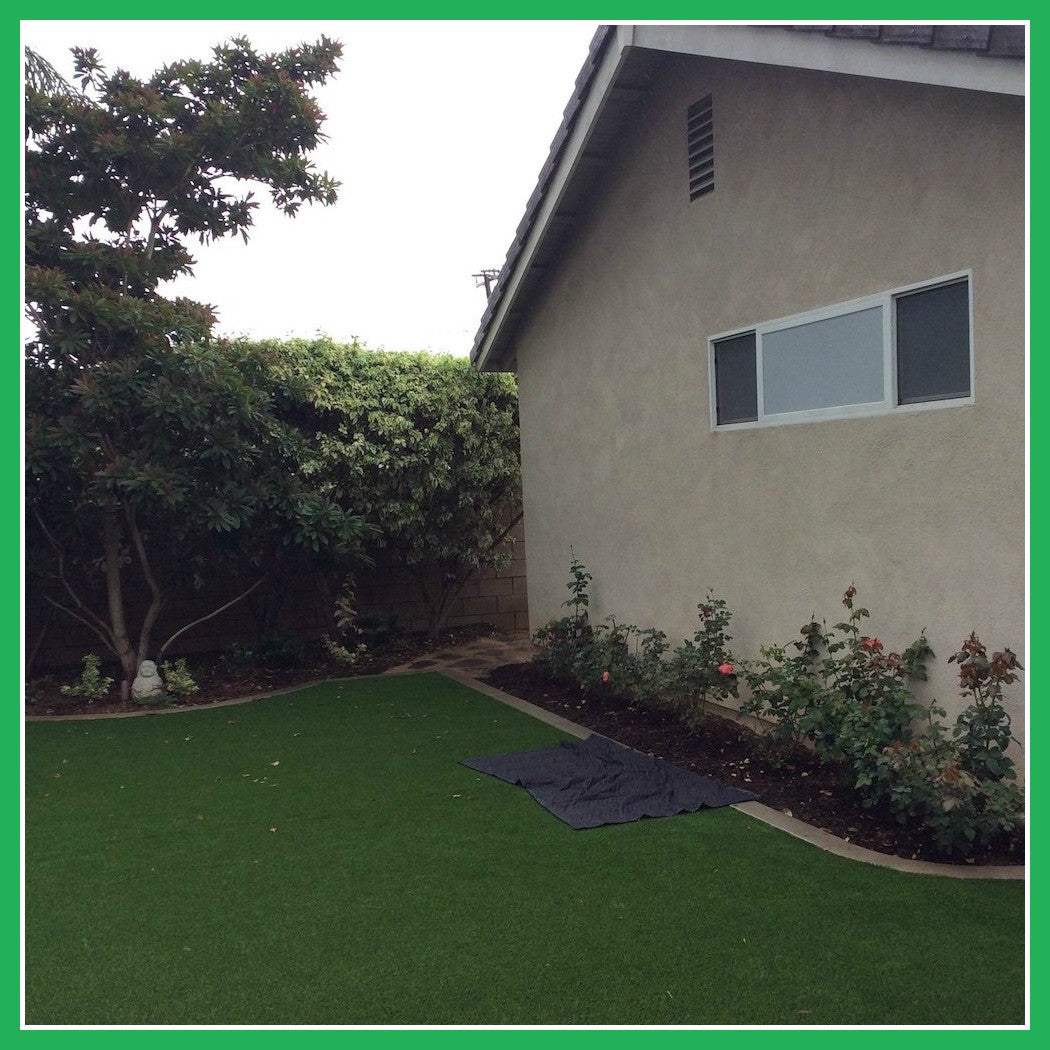
Protect Your Artificial Turf, Natural Grass and Vinyl Siding from Reflection Damage

Turf Guard Window Film is an Affordable Do-It-Yourself Window Film Solution

Related Posts

What Damages Artificial Turf? The Most Common Causes (and How to Prevent Them)
Artificial grass is known for being durable, low-maintenance, and long-lasting. But “durable” doesn’t mean indestructible. Homeowners are often sur...
Read More
Synthetic Grass Pros and Cons: What Homeowners Should Know Before Installing
Synthetic grass has become a popular alternative to natural lawns, especially in hot, dry climates where water conservation and low maintenance are...
Read More
How to Prevent Artificial Grass Fading in Arizona’s Intense Sun
Arizona sunshine is one of the biggest reasons homeowners choose artificial grass. No mowing, no watering, and a green lawn year-round sounds perfe...
Read More
How to Maintain Artificial Grass (Plus the Hidden Care Tip Most Homeowners Miss)
Artificial grass is popular because it looks great year-round with far less upkeep than natural grass. But “low maintenance” doesn’t mean “no maint...
Read More
What Is Turf Guard Window Film and How Does It Prevent Turf Melting?
If your artificial turf is melting, shrinking, or discoloring, especially in straight lines or concentrated hot spots, the turf itself is rarely th...
Read More
How Scottsdale’s Heat and Water Restrictions Drive Artificial Turf Demand
Artificial turf has become increasingly common across Scottsdale, and it’s not just a design trend. The combination of extreme heat, limited rainfa...
Read More
Why Artificial Turf Melts in Scottsdale: How Windows and Sun Reflection Cause Turf Damage
Artificial turf has become a popular landscaping solution in Scottsdale due to extreme heat, limited rainfall, and water conservation priorities. B...
Read More
Why Homeowners in Scottsdale Choose Artificial Turf Over Natural Grass
Scottsdale homeowners face a unique combination of extreme heat, limited water resources, and high landscape maintenance costs. Because of this, mo...
Read More

Leave a comment

Please note, comments must be approved before they are published