🛑 STOP Your ARTIFICIAL TURF from MELTING 🔥 Do-It-Yourself Window Film Solution 😎

How to Prevent Artificial Grass from Reaching Melting Point

Turf owners quickly found out that problems can occur when the artificial grass reaches the melting point. Synthetic grass can become discolored once it hits a particular temperature. It can also shrivel up or melt. It seems that the key to avoiding this problem is to prevent artificial turf from reaching its heat threshold.

What Happens to Grass at Melting Point?

When exposed to heat, synthetic grass becomes hotter than natural grass. This is due to turf not having the cooling capacity of natural grass. But what artificial grass does have is a higher melting point. At 200 degrees Fahrenheit, it's way above natural grass' hottest temperature of 75 to 95 degrees Fahrenheit.

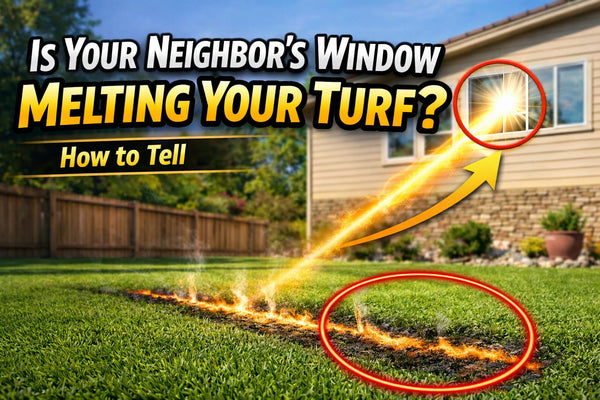
Most artificial turf is made from polyethylene yarn. When the sun's rays are reflected off polished surfaces like a mirror, energy efficient windows, or burnished gutters, the light becomes more concentrated and intense. This is similar to how a magnifying glass is used. The heat reflected from these polished surfaces can cause the temperature to rise rapidly until the artificial grass reaches the melting point.

Once the temperature of the turf goes beyond the polyethylene's melting point, the artificial grass melts or shrinks. 

How to Prevent Artificial Turf Reaching Melting Point

The only way that homeowners can stop artificial grass reaching its melting point is to avoid it from happening in the first place. So it's vital that property owners work with the installers beforehand and assess the area first. They should observe the property for any reflective surfaces and mark areas where glare might create a problem. Once the study is done, both parties can review and make adjustments on how the turf will be placed.

If the property has energy efficient windows, owners should consider placing a protective film over them. Covering the window with a protective film will help diffuse the sun's UV rays and lessen the intensity of the window glare. It will also make the home more energy efficient.

Aside from using a window film, homeowners can also place awnings over windows and a trellis or pergola over entry ways. Shade trees and bushes can also be planting in front of windows to minimize glare.

Precautions should be taken to stop fake grass from melting. A good window film like Turf Guard Window Film can certainly help prevent artificial grass from reaching its melting point. A leader in the turf industry, Turf Guard, will help protect your artificial grass so you can relax and enjoy its benefits.
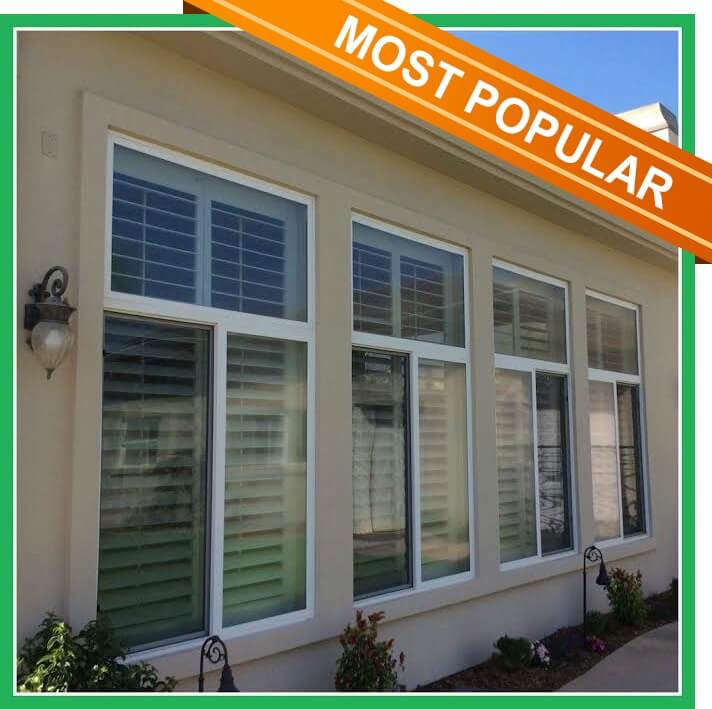
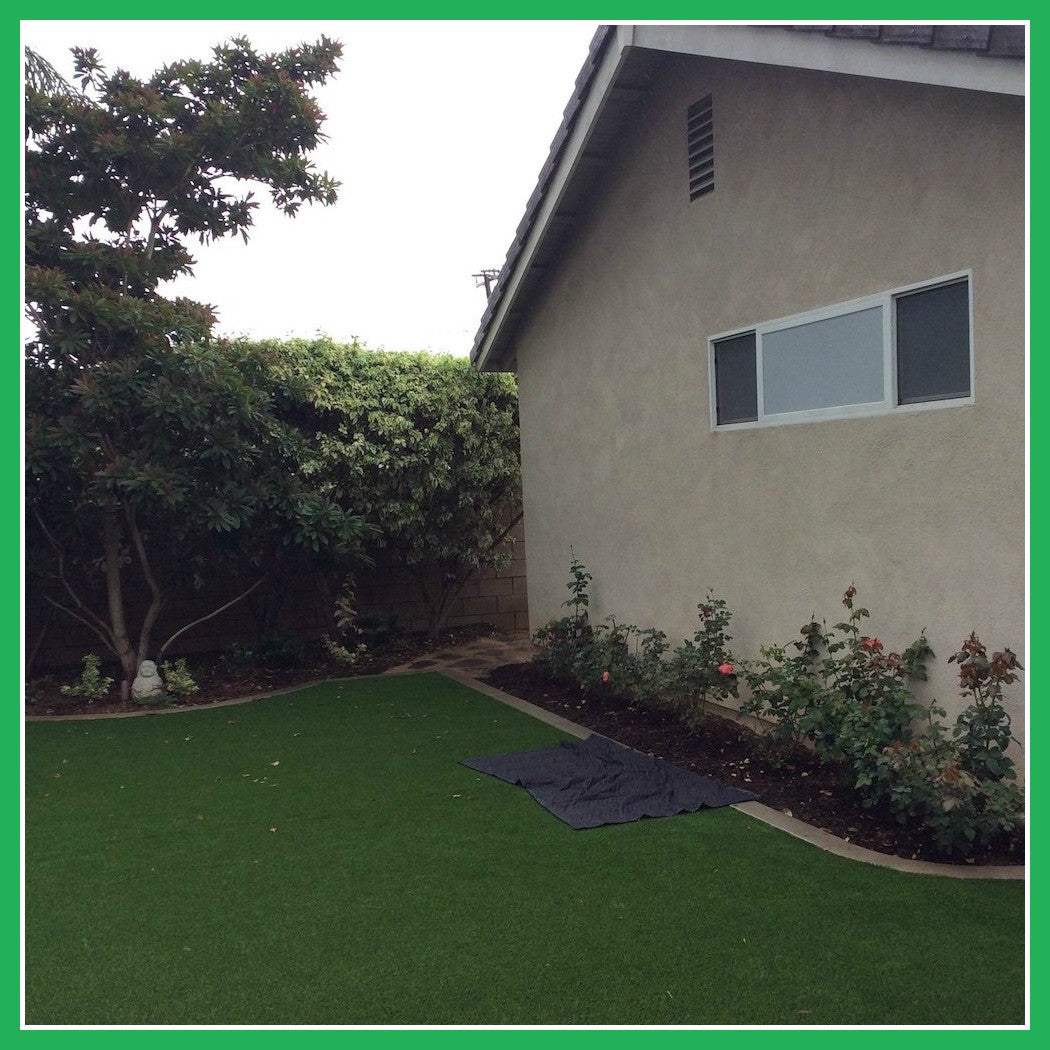
Protect Your Artificial Turf, Natural Grass and Vinyl Siding from Reflection Damage

Turf Guard Window Film is an Affordable Do-It-Yourself Window Film Solution

Related Posts

How to Prevent Artificial Grass Fading in Arizona’s Intense Sun
Arizona sunshine is one of the biggest reasons homeowners choose artificial grass. No mowing, no watering, and a green lawn year-round sounds perfe...
Read More
How to Maintain Artificial Grass (Plus the Hidden Care Tip Most Homeowners Miss)
Artificial grass is popular because it looks great year-round with far less upkeep than natural grass. But “low maintenance” doesn’t mean “no maint...
Read More
What Is Turf Guard Window Film and How Does It Prevent Turf Melting?
If your artificial turf is melting, shrinking, or discoloring, especially in straight lines or concentrated hot spots, the turf itself is rarely th...
Read More
How Scottsdale’s Heat and Water Restrictions Drive Artificial Turf Demand
Artificial turf has become increasingly common across Scottsdale, and it’s not just a design trend. The combination of extreme heat, limited rainfa...
Read More
Why Artificial Turf Melts in Scottsdale: How Windows and Sun Reflection Cause Turf Damage
Artificial turf has become a popular landscaping solution in Scottsdale due to extreme heat, limited rainfall, and water conservation priorities. B...
Read More
Why Homeowners in Scottsdale Choose Artificial Turf Over Natural Grass
Scottsdale homeowners face a unique combination of extreme heat, limited water resources, and high landscape maintenance costs. Because of this, mo...
Read More
The Pros and Cons of Artificial Grass in Scottsdale’s Desert Climate
Artificial grass has become extremely popular in Scottsdale, especially in neighborhoods dealing with extreme heat, ongoing drought, and water-use ...
Read More
Why New Artificial Turf Is Melting in Lines
If you just installed artificial turf and suddenly noticed a straight melted line appear, then days later a second one, it’s easy to assume the gra...
Read More

Leave a comment

Please note, comments must be approved before they are published