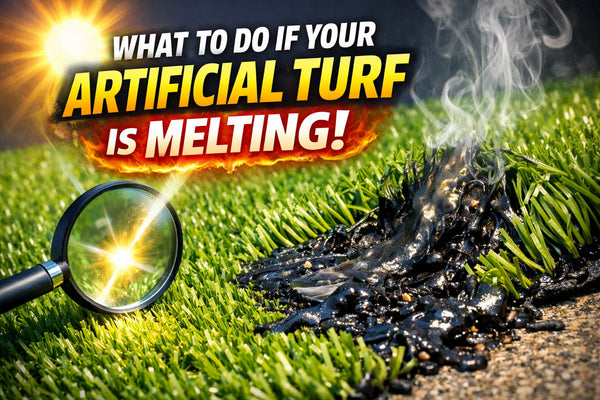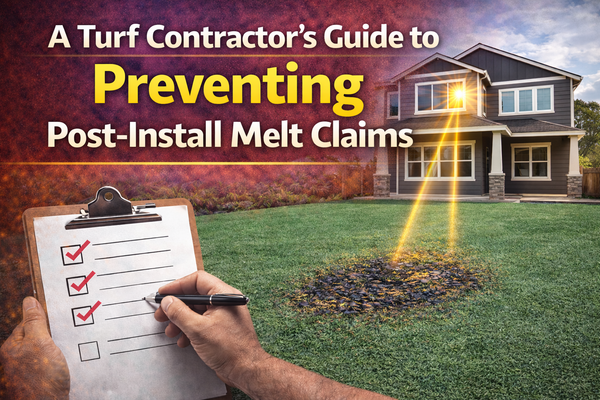
🛑 STOP Your ARTIFICIAL TURF from MELTING 🔥 Do-It-Yourself Window Film Solution 😎

How Vinyl Siding Melting Solutions Make Your PVC Walls Last Longer

Vinyl siding, otherwise known as PVC cladding, is one of the widely used exterior wall materials. Compared to other outer walls, vinyl siding is less expensive. Moreover, it gives a unique look to your home. However, this material is susceptible to warping and distortion.

What Causes Your PVC Cladding to Distort?

There are two reasons why your vinyl siding is melting. One is your griller. When you cook outside your home, it releases high heat, causing your PVC wall to warp.

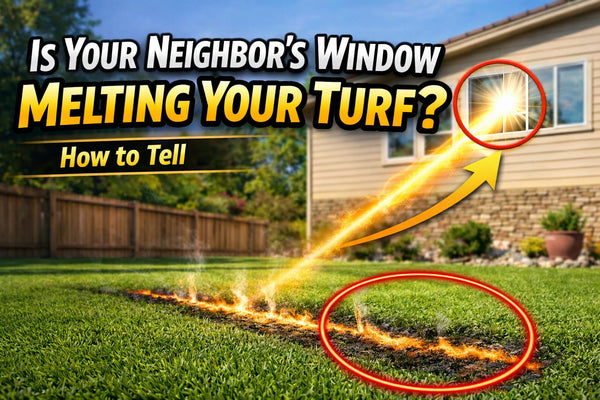
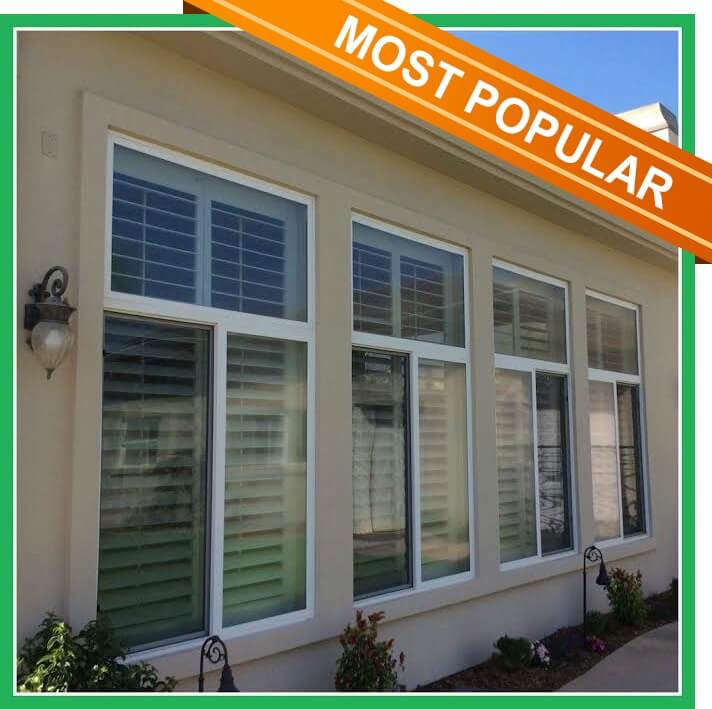
Another reason is your neighbor’s Low-E windows. The primary purpose of this window is to limit the transfer of heat. To do this, the glazing used by this window keeps the cold air in and the warm air out. Because the hot temperature has nowhere to go, it directs the heat to the next-door cladding. As a result, it reaches the vinyl siding melting point.

Fortunately, you can stop your neighbor’s windows from melting your siding. You just need to use the following vinyl siding melting solutions:

  1. Shady Trees

This is one of the recommended vinyl siding melting solutions by the Vinyl Siding Institute (VSI). These are natural sun blockers and heat absorbers. The leaves and branches of trees prohibit sunlight and reflective heat from hitting the vinyl siding and Low-E windows. Furthermore, they help reduce heat, which also decreases the outdoor temperature.

However, this approach is not the best choice if your vinyl siding starts melting or the culprit is on the second floor. If that’s the case, you need to find other vinyl siding melting solutions.

  1. Awnings

Another tool recommended by the VSI is the awning. This can be a replacement window or an additional roof. This solution blocks the sun from reaching the window; thus, preventing the window glare from distorting the siding.

However, it makes the room dark, even when the sun is up. If you want a solution that doesn’t dim the house, you may need to try other options.

  1. Window Film

It’s one of the highly-recommended melted vinyl siding repair solutions. Once the sun hits the window film, it diffuses the heat all over the siding surface. Therefore, all sides get the same temperature. Additionally, this solution has holes that allow the sunlight to brighten up the house interior.

However, you can only get these advantages and make your PVC wall last longer if you choose the Turf Guard Window Film. Visit our website and find out how our vinyl siding melting solutions can prevent thermal distortion.
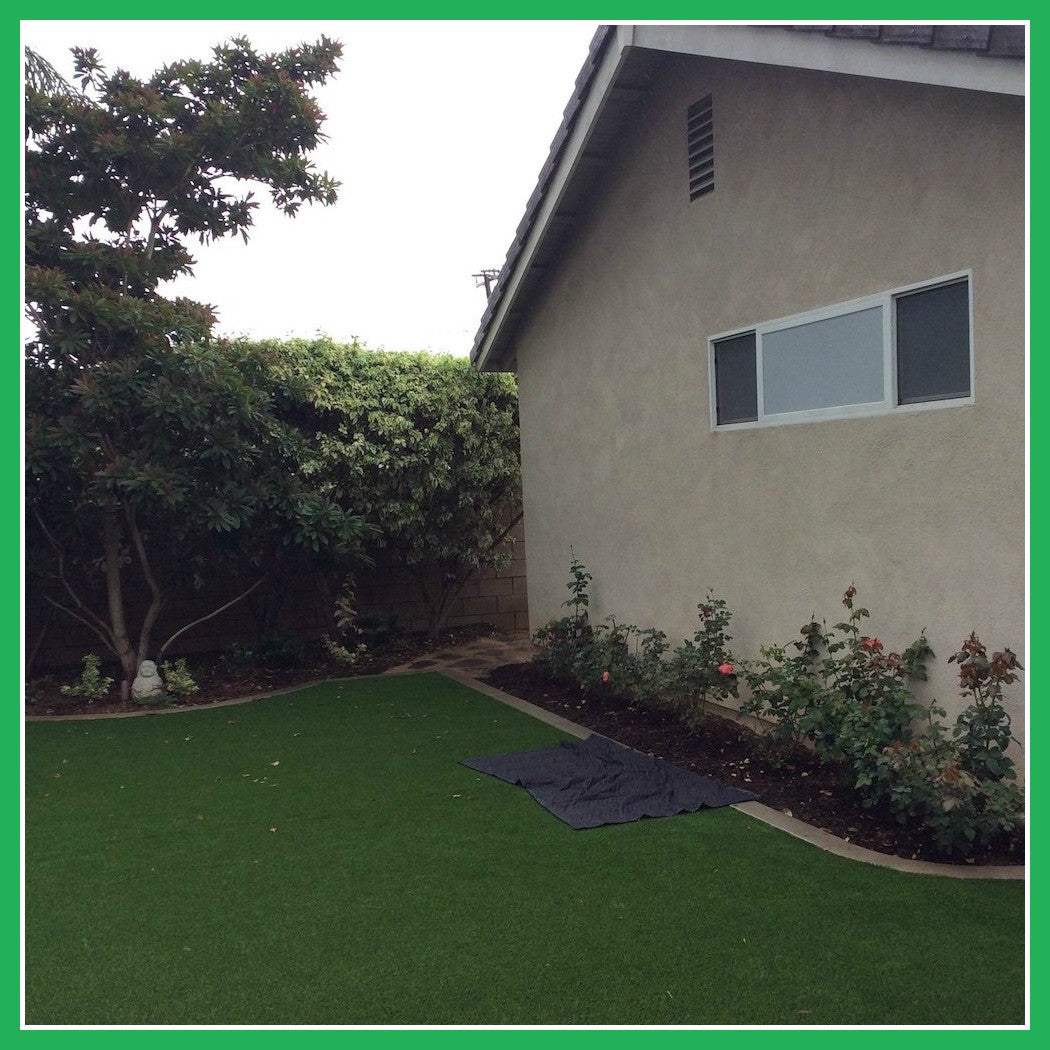
Protect Your Artificial Turf, Natural Grass and Vinyl Siding from Reflection Damage

Turf Guard Window Film is an Affordable Do-It-Yourself Window Film Solution

Related Posts

Artificial Turf Melting: The Real Reason It Happens (And How to Stop It Permanently)
Artificial grass is designed to handle extreme outdoor heat. So when homeowners discover sections of their turf warped, curled, or melted, the firs...
Read More
Can Windows Burn Artificial Turf? Causes, Signs, and How to Prevent Melt Damage
Homeowners are often shocked when they discover melted, shiny, or discolored patches in their artificial grass, especially when there’s no fire pit...
Read More
Does Turf Burn in Texas? What Homeowners Need to Know
Artificial turf has become increasingly popular across Texas thanks to extreme summer heat, watering restrictions, and the desire for low-maintenan...
Read More
Real Homeowner Experiences: Artificial Turf Installation, Upsides and Downsides
If you’re considering artificial turf for your yard, you’re not alone. Homeowners across the country have been making the switch from natural grass...
Read More
What Damages Artificial Turf? The Most Common Causes (and How to Prevent Them)
Artificial grass is known for being durable, low-maintenance, and long-lasting. But “durable” doesn’t mean indestructible. Homeowners are often sur...
Read More
Synthetic Grass Pros and Cons: What Homeowners Should Know Before Installing
Synthetic grass has become a popular alternative to natural lawns, especially in hot, dry climates where water conservation and low maintenance are...
Read More
How to Prevent Artificial Grass Fading in Arizona’s Intense Sun
Arizona sunshine is one of the biggest reasons homeowners choose artificial grass. No mowing, no watering, and a green lawn year-round sounds perfe...
Read More
How to Maintain Artificial Grass (Plus the Hidden Care Tip Most Homeowners Miss)
Artificial grass is popular because it looks great year-round with far less upkeep than natural grass. But “low maintenance” doesn’t mean “no maint...
Read More

Leave a comment

Please note, comments must be approved before they are published