🛑 STOP Your ARTIFICIAL TURF from MELTING 🔥 Do-It-Yourself Window Film Solution 😎

Is Your Vinyl Siding Melting Due to Window Reflection?

Every year, we hear reports on vinyl siding melting. It is becoming a major concern for many homeowners as more and more houses are using Low-E windows. You might ask – how do energy-efficient windows melt the outer wall of your house?

The Ugly Truth About Low-E Windows

Low-E windows are a popular choice for many homeowners. The coating used by these windows reflects heat away, causing the room temperature to stabilize. However, it is also the reason why your vinyl siding is melting.

When the window is at the right angle and the sun reaches its surface, it creates a magnifying glass effect.Meaning, it burns and distorts anything that blocks its path. However, it only happens when the glass window becomes concave. This concavity creates an intense reflected heat, which causes vinyl siding melting.

However, Low-E windows are not the only culprit for this damage. Your neighbor’s roof can also re-radiate heat, causing your outer wall to reach the vinyl siding melting point. Your glass doors can also have the same effect to your siding.

In other words, all objects that have reflections can cause your vinyl siding to melt.

How to Prevent Vinyl Siding From Melting

There are several ways to prevent your vinyl siding from melting. One way to keep your exterior wall in excellent condition is by using an awning roof. Its purpose is to help homeowners reduce their energy consumption. It blocks the sunlight from reaching the glass window. As a result, it lowers the room temperature and prevents the cladding from exceeding the vinyl siding melting temperature.

However, it darkens the room as it also obstructs the natural light. Hence, if you want to keep the home interior bright; then this may not be the best choice.

Another way to prevent siding distortion is by getting a vinyl siding that doesn’t melt. Compared to the standard PVC cladding, this one has a higher distortion point. In fact, it can withstand the window reflection’s temperature, which can reach up to 200 degrees Fahrenheit.

However, replacing your exterior wall with a heat-resistant siding can be expensive. If you want to preserve your cladding without spending too much money, then the best option would be Turf Guard Window Film. It spreads heat evenly, preventing siding distortion.

Do you want to learn more about how to avoid vinyl siding from melting?Visit our website and check out our Turf Guard Window Film products.

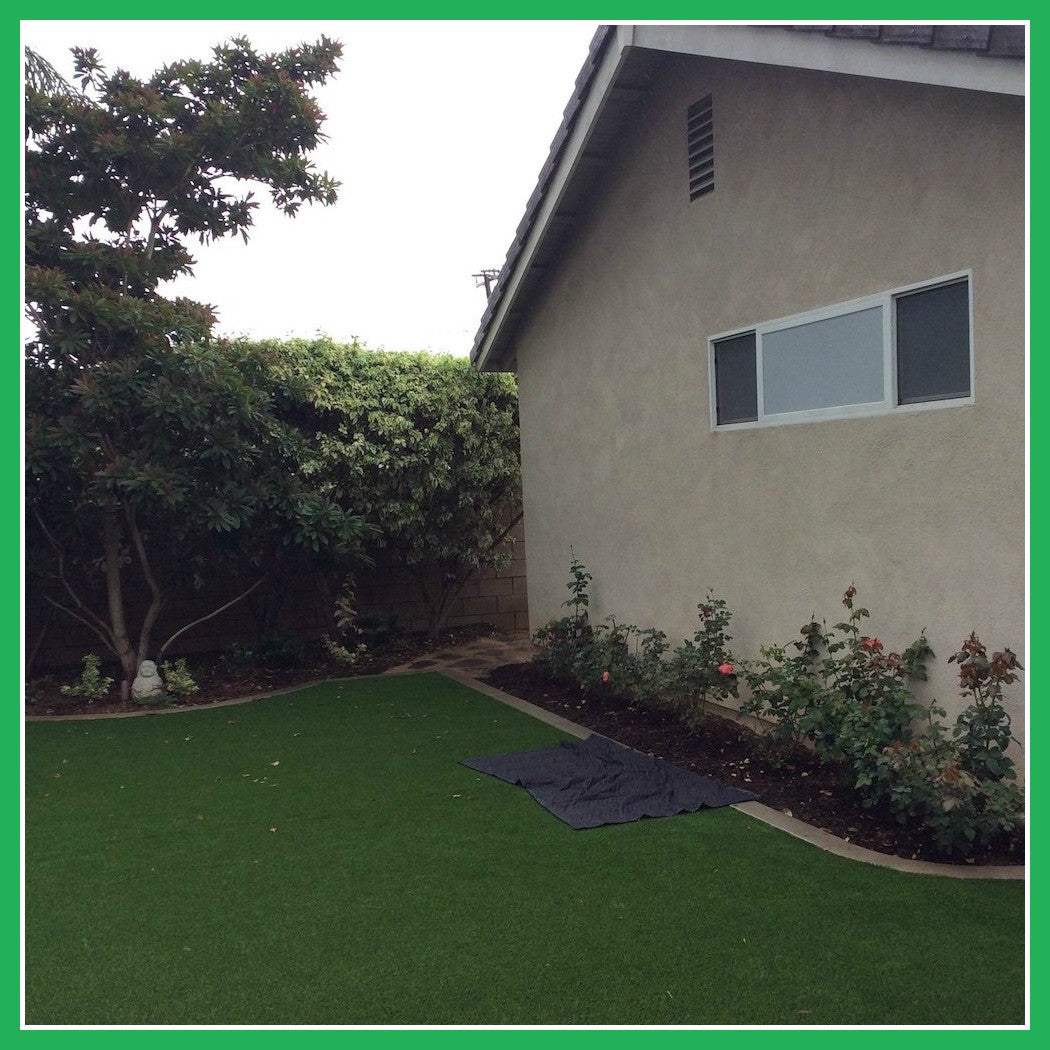
Protect Your Artificial Turf, Natural Grass and Vinyl Siding from Reflection Damage

Turf Guard Window Film is an Affordable Do-It-Yourself Window Film Solution

Related Posts

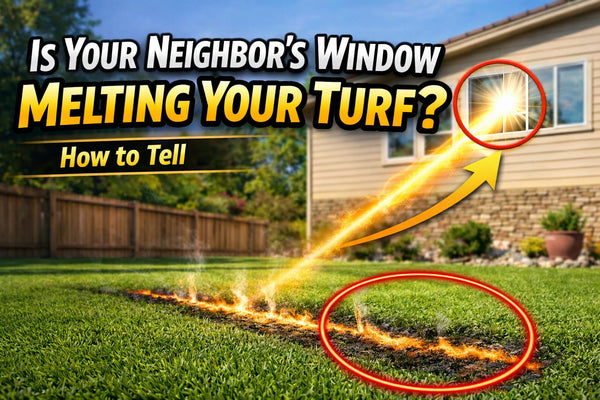
How to Tell If Your Neighbor’s Windows Are Melting Your Artificial Grass
Artificial turf is supposed to be durable, low maintenance, and resistant to the elements. So when parts of your lawn start melting, it’s frustrati...
Read More
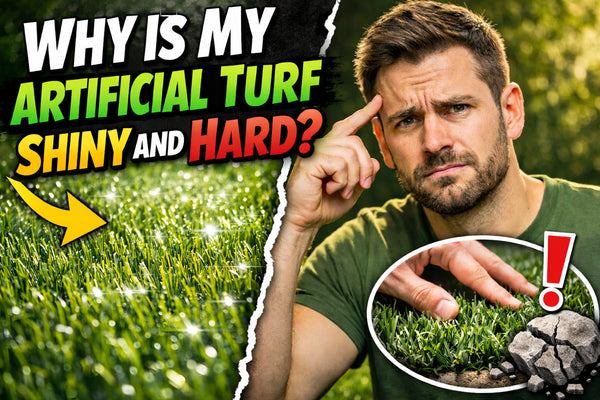
Why Is My Artificial Turf Shiny and Hard?
Artificial turf is designed to stay soft, flexible, and natural-looking for years. So when homeowners notice that their turf suddenly looks shiny, ...
Read More
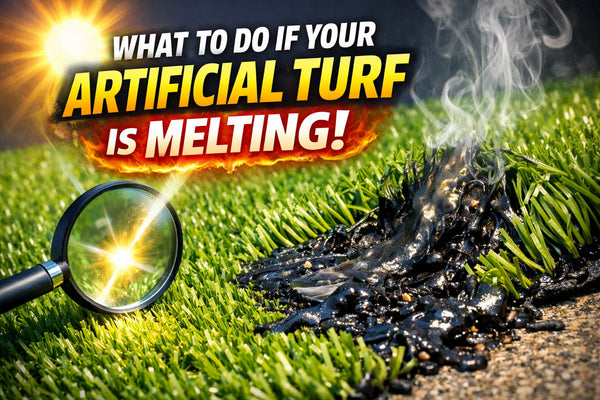
What To Do If Your Artificial Turf Is Melting
Artificial turf is designed to be durable, low maintenance, and resistant to weather. So when homeowners start noticing melted lines, shiny patches...
Read More
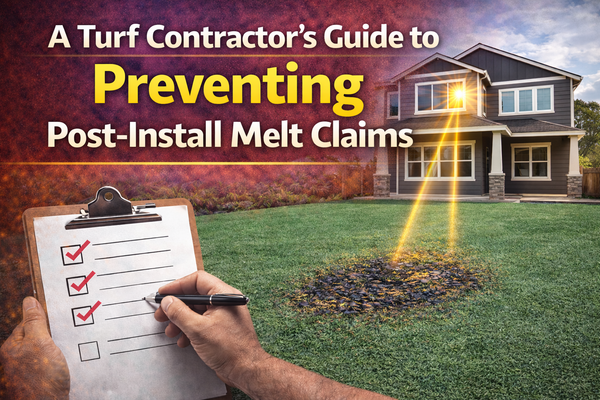
A Turf Contractor’s Guide to Preventing Post-Install Melt Claims
Artificial turf should be a low-maintenance, high-margin upgrade for homeowners. But in hot-climate markets like Arizona, Nevada, Texas, and Califo...
Read More
How to Protect Artificial Turf From Window Glare
Artificial turf is designed to withstand heat, sunlight, and heavy use. But many homeowners are surprised to discover that their artificial grass c...
Read More
Why Turf Installers Should Check for Window Reflection Before Installation
Installing artificial turf is supposed to be a long-term upgrade: low maintenance, water savings, clean aesthetics, and durability in extreme heat....
Read More
Are Home Windows Melting Your Artificial Turf?
If your artificial grass is melting in straight lines, shiny patches, or strange circular patterns, you might assume: The turf was defective Th...
Read More
What Is Low-E Glass and Why Does It Reflect Heat?
If you’ve ever wondered why your artificial turf, siding, or patio furniture is melting, even when the weather doesn’t seem extreme, the answer may...
Read More

Leave a comment

Please note, comments must be approved before they are published