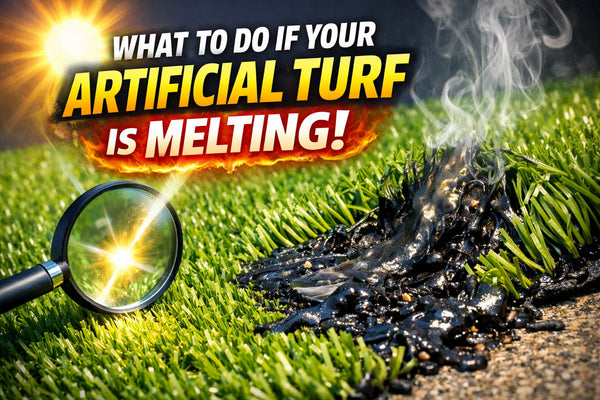
🛑 STOP Your ARTIFICIAL TURF from MELTING 🔥 Do-It-Yourself Window Film Solution 😎

Protect Artificial Turf and Natural Grass Against Burning Hot Window Glare

How to Stop Grass Burning in the Sun

If you are having issues with grass burned by sun reflecting off your windows or artificial turf melting in the glare of that bounced sunlight, you are surely wondering what to do to save your property from this unsightly damage. Is the solution artificial turf that doesn't get hot or that can withstand melting? Or a different variety of grass that won't turn brown when baked by sun beams?

These are complex and costly solutions to an issue that can quickly be remedied. To stop window glare burning grass, you just need to get Turf Guard Window Film applied to your home's windows and send that light scattering in all directions instead of focusing into a heated beam.

How to Stop Reflection on Glass

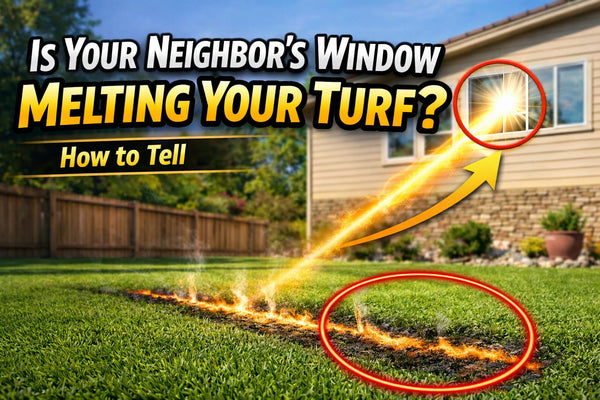
The heat of window reflections off traditional single pane windows is not significant enough to cause melting issues with artificial grass or burning issues with living lawns. But highly reflective low-e windows bounce off much more light and can lead to much more intense heat, indeed enough heat to ruin swaths of your grass. These beams of light can also melt vinyl siding and damage materials like patio furniture and pool covers. Stop the hot glare from becoming a menace to your property with Turf Guard Window Film.
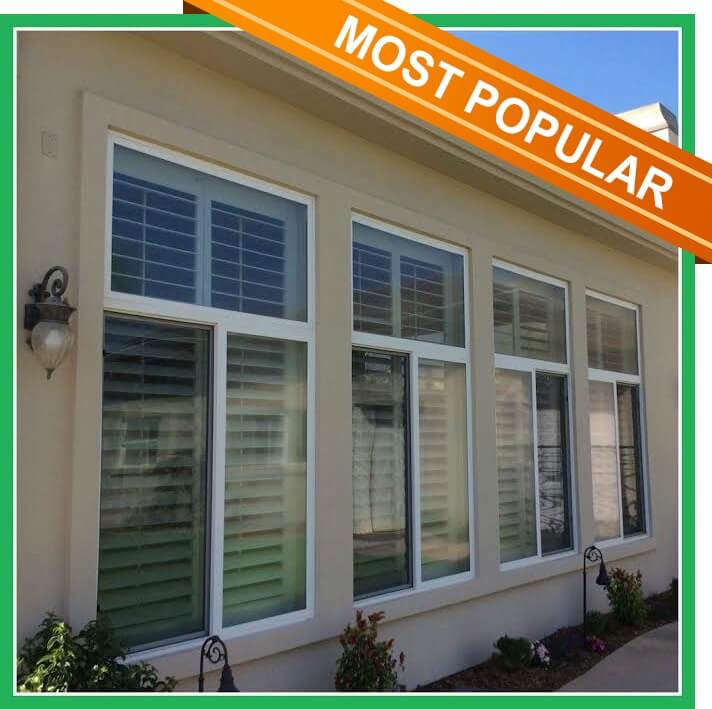
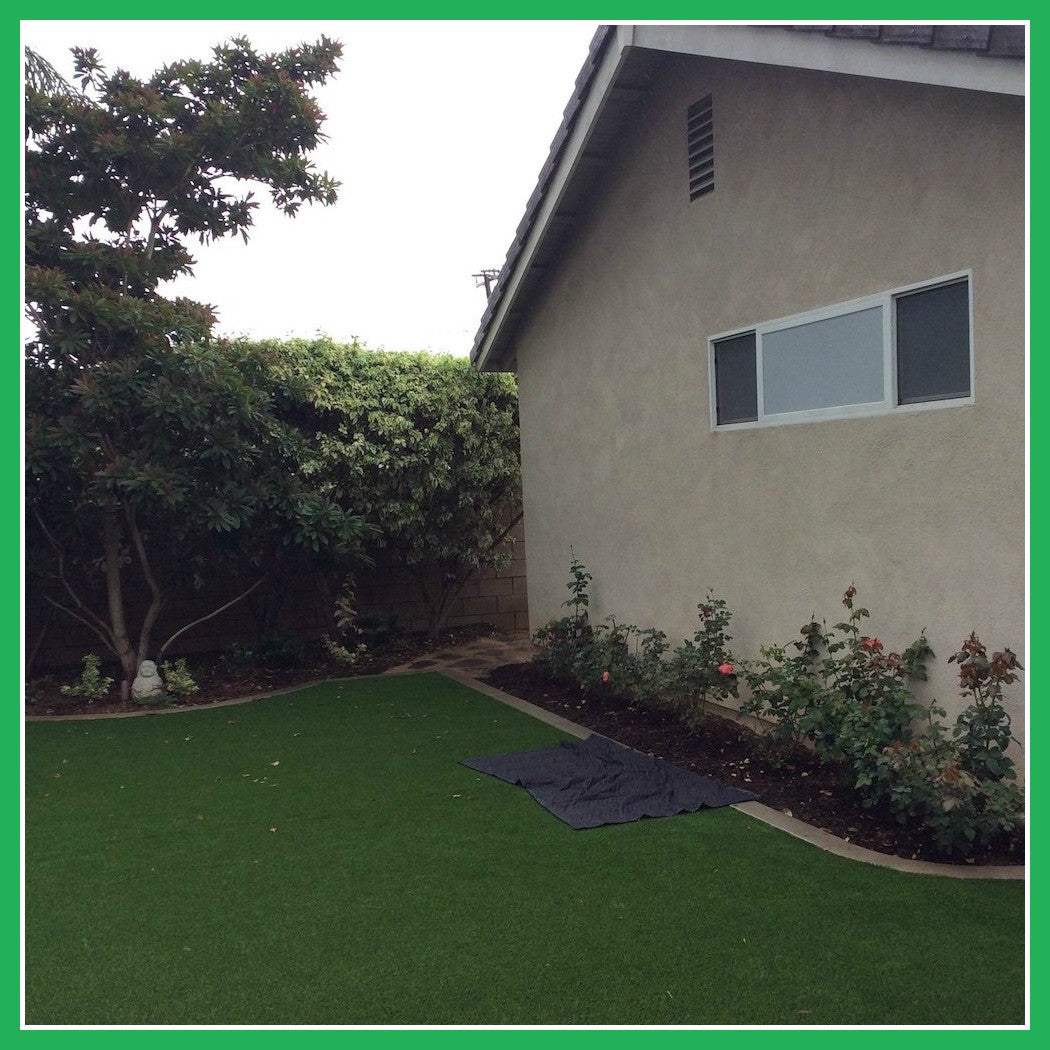
Protect Your Artificial Turf, Natural Grass and Vinyl Siding from Reflection Damage

Turf Guard Window Film is an Affordable Do-It-Yourself Window Film Solution

Related Posts

Can Windows Burn Artificial Turf? Causes, Signs, and How to Prevent Melt Damage
Homeowners are often shocked when they discover melted, shiny, or discolored patches in their artificial grass, especially when there’s no fire pit...
Read More
Does Turf Burn in Texas? What Homeowners Need to Know
Artificial turf has become increasingly popular across Texas thanks to extreme summer heat, watering restrictions, and the desire for low-maintenan...
Read More
Real Homeowner Experiences: Artificial Turf Installation, Upsides and Downsides
If you’re considering artificial turf for your yard, you’re not alone. Homeowners across the country have been making the switch from natural grass...
Read More
What Damages Artificial Turf? The Most Common Causes (and How to Prevent Them)
Artificial grass is known for being durable, low-maintenance, and long-lasting. But “durable” doesn’t mean indestructible. Homeowners are often sur...
Read More
Synthetic Grass Pros and Cons: What Homeowners Should Know Before Installing
Synthetic grass has become a popular alternative to natural lawns, especially in hot, dry climates where water conservation and low maintenance are...
Read More
How to Prevent Artificial Grass Fading in Arizona’s Intense Sun
Arizona sunshine is one of the biggest reasons homeowners choose artificial grass. No mowing, no watering, and a green lawn year-round sounds perfe...
Read More
How to Maintain Artificial Grass (Plus the Hidden Care Tip Most Homeowners Miss)
Artificial grass is popular because it looks great year-round with far less upkeep than natural grass. But “low maintenance” doesn’t mean “no maint...
Read More
What Is Turf Guard Window Film and How Does It Prevent Turf Melting?
If your artificial turf is melting, shrinking, or discoloring, especially in straight lines or concentrated hot spots, the turf itself is rarely th...
Read More

Leave a comment

Please note, comments must be approved before they are published