Preventing neighbor’s window reflection is possible. Although you can’t do anything about the existence of sunlight, you can always do something to cope with it. You can prevent the sunlight from destroying your vinyl siding by doing the easy tips that will be mentioned below.
What causes the vinyl siding to melt?
The vinyl melting point is 160 to 165 Fahrenheit, which is lower when compared to the melting point of other materials. For this reason, the extreme heat coming from direct sunlight may be capable of melting a typical vinyl siding. However, the most common reason for reported cases of vinyl distortion is not just the reflection of sunlight, but also the angle of the sunlight when directed to your siding.
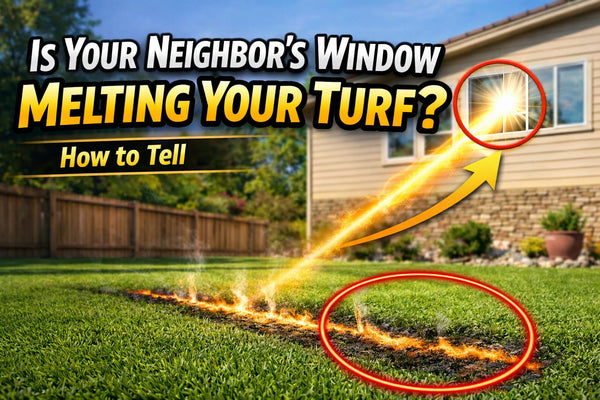
The reflection of the sun usually radiates on glasses, metals, or any material that has the ability to reflect the heat of the sun in a harsher way. The most common cause among the reported cases is the neighbor window reflection.
Energy-efficient windows and double-paned windows are the most preferred type of windows because of the benefits that one can get from it. One of its features is its capacity to bounce the heat of the sun that’s striking on your home.
However, the sun reflection coming from these windows are the common cause of vinyl siding melting. It is because these windows have the tendency to concave when the sun’s heat strikes them. This concavity causes the heat to bounce back. Preventing your neighbor’s window reflection from damaging your vinyl siding is one of the most effective solutions that you can consider.
How to Prevent the Window Reflection From Destroying Vinyl Siding
The first thing that you can do in preventing neighbor’s window reflection is to determine the position of the sun especially during the peak hours. It is important to determine the location of the sun because even the sun’s angle is a huge factor.
After that, determine the materials that are reflecting the sun rays on your vinyl siding, just like glass windows and the like.
If you’re sure enough that the reflection is coming from your neighbor’s window, the next thing that you might want to do is talk to your neighbor about it. Encourage him to place a screen or film on his window.
However, if your neighbor is uncooperative or stubborn about it, do not engage in a fight or an argument. There is another way on how to reduce sun glare on windows of your neighbor.
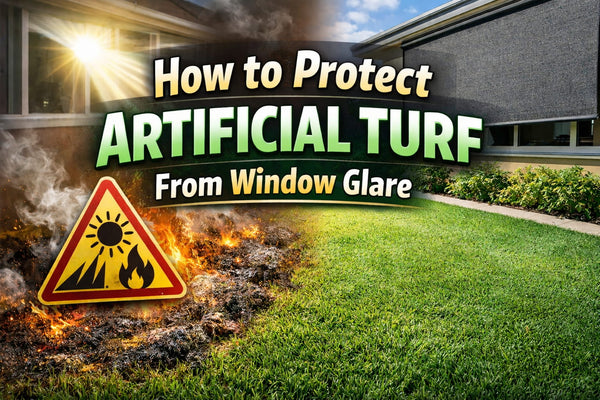
The next thing that you can do is to plant a tree that will block the window’s reflection. If you’re worried that the tree will take some time to grow, you can just place other big plants that can do the same trick. The main point is to block the sun’s reflection from touching your vinyl siding’s surface.
To eliminate this problem thoroughly, you should start prevention in your own home. Be considerate with your neighbor by using a double strength glass as your window or by placing a film like Siding Guard Window Filmor screen on your window. If all people are concerned enough, there’s no more need for to worry about thinking of ways in preventing neighbor’s window reflection.