Vinyl siding distortion is a common issue among homeowners. It cannot be prevented as they say since almost everyone has to go through solving the problem. Vinyl distortion often results in replacement of the whole material.
You must remember that warped vinyl cannot be patched unlike the holes or cracks in the material. This is why most people who dread melting vinyl find the most efficient ways to prevent it at all costs.
If you want to get rid of the problem, there is nothing more effective than finding out first what causes the vinyl siding distortion. To provide you ideas, given below are the possible contributing factors to the material’s melting:
Inferior Product Formulation. Your vinyl siding may be prone to melting or distortion when it has been manufactured under poor quality control. There is a possibility that moisture between the building paper and siding may be the root cause of the distortion.
Some manufacturers agree that poor quality vinyl siding may become more prone to damage when exposed to heat sources. It may be surprising to know that moisture may cause vinyl damage, but it is actually possible. Usually, your leaks can be hidden until you remove the entire siding.
Poor Installation. It was found out that vinyl siding damage will likely develop if there are installation strains in the material. This may worsen the problems related to vinyl production. For instance, if you have placed the material incorrectly or it may be more exposed to the wind, thus leading to its increased susceptibility to cooling.
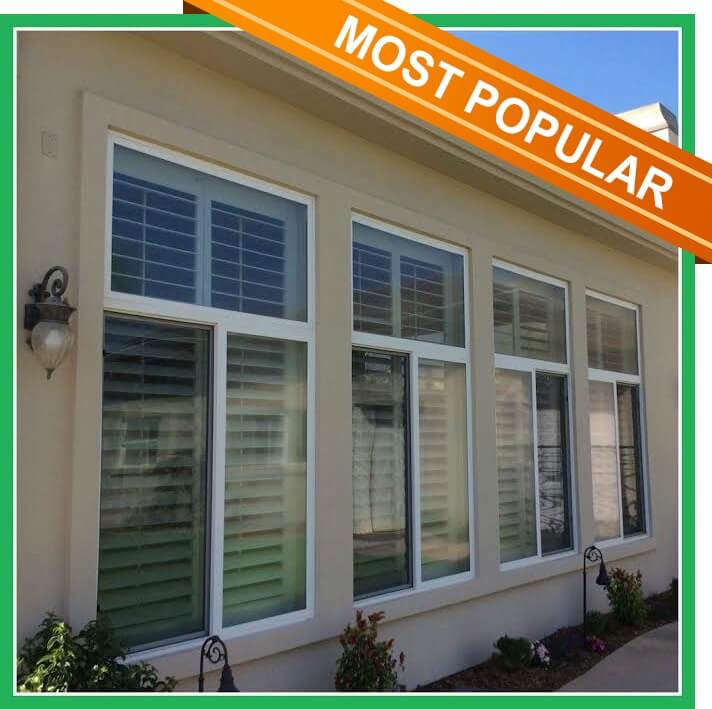
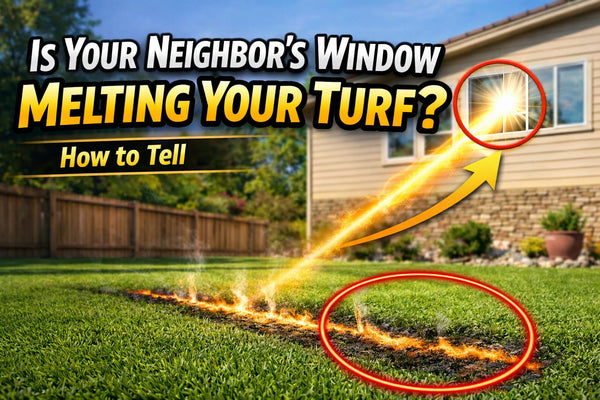
Sun Reflection. This is considered as the main reason for vinyl’s thermal distortion. If your vinyl siding is in contact with reflections from doors, windows, asphalt, nearby walls, swimming pools, and concrete, warping is more likely to take place.
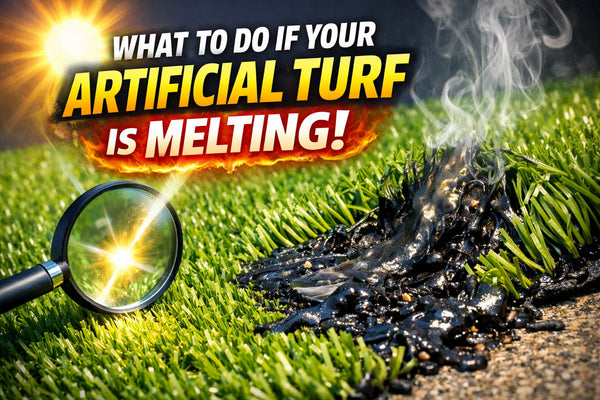
If you have low-E windows, vinyl distortion can be expected, especially now that the material has a magnifying glass-like effect. It redirects the solar heat similar to concentrated beams of light.
From the provided causes of vinyl siding damage, it is understandable that the last one is the most common complaint. Sun reflection can be prevented if you will simply install a window film. Instead of worrying about repair or replacement, you can use a guard for your low-E windows, which will diffract solar heat without compromising your interior lighting.
Be reminded that vinyl siding melting may take place both during summer and winter. If you want to avoid it immediately, you may purchase the window guard right away. It comes at an affordable price, which is lower than a replacement service cost for vinyl siding distortion.
If you do not have any idea of a product to try, you should try Siding Guard Window Film, which can ensure long-lasting and reliable results. Despite its inexpensive price tag, it can guarantee utmost protection from glass reflection.