🛑 STOP Your ARTIFICIAL TURF from MELTING 🔥 Do-It-Yourself Window Film Solution 😎

Turf Owners Beware: Sun Reflection Damage Not Covered by Warranty

A lot of homeowners are considering getting an artificial turf for their property. After all, a synthetic yard is low maintenance and keeps the water bill down. However, homeowners should know there's a possibility their yard might suffer from sun reflection damage and that the warranty does not cover it.

Are Artificial Turf Owners Responsible for Damage?

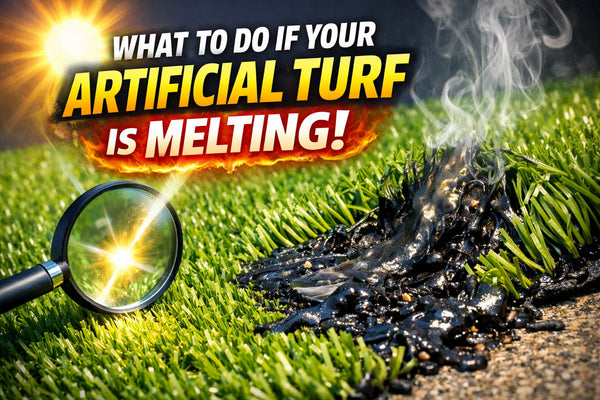
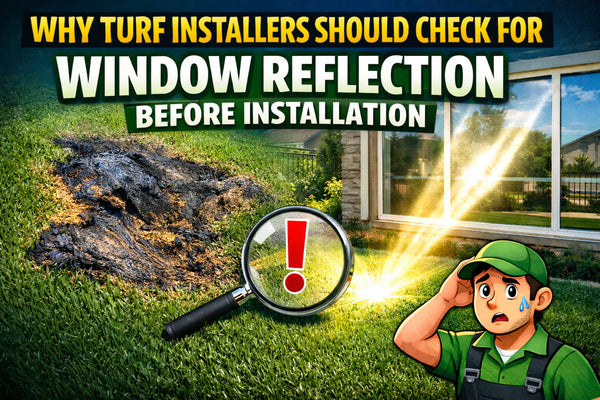
There have been numerous instances of homeowners complaining that their artificial turf melted from the sun's reflection. One Arizona family recounted that a year and a half after the artificial grass was installed in their yard, they noticed that a long strip of the turf became discolored, the result of the fibers melting and shriveling up.

The owner initially thought the warranty would cover the damage. But according to the installer, the artificial grass melting was the result of the sun reflecting off the house's window. And unfortunately for the family, the warranty doesn't apply to melted turf.

What Does the Warranty Cover?

Most artificial turf companies and installers state in their contracts that the warranty does not cover damage from abuse, accidents, vandalism, and natural disasters like earthquakes, floods, and other catastrophes. The warranty also doesn't cover normal wear and tear and damage caused by improper cleaning methods.

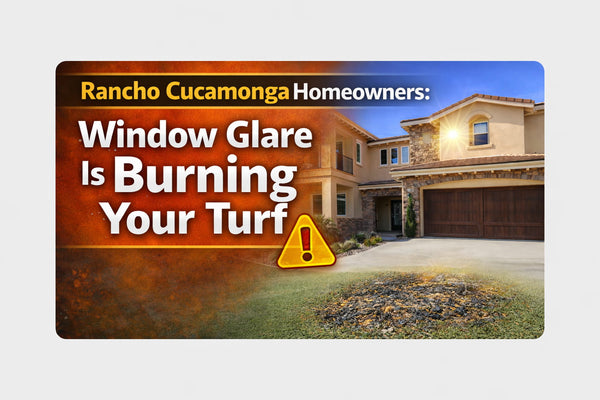
Interestingly, most artificial turf warranties now also specify that sun reflection damage and melting caused by window glare or other flammable materials are not covered. 

How to Minimize Damage to Artificial Turf

It's clear that homeowners should first determine whether their windows or mirrors can cause the artificial grass to melt when planning to install artificial turf. Most homes now use energy efficient windows, and the glare from this type of window can burn the grass.

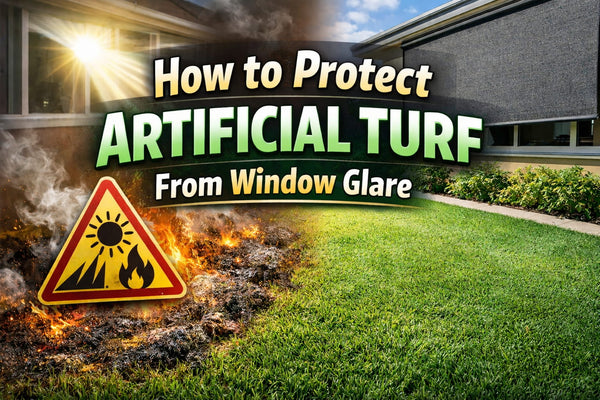
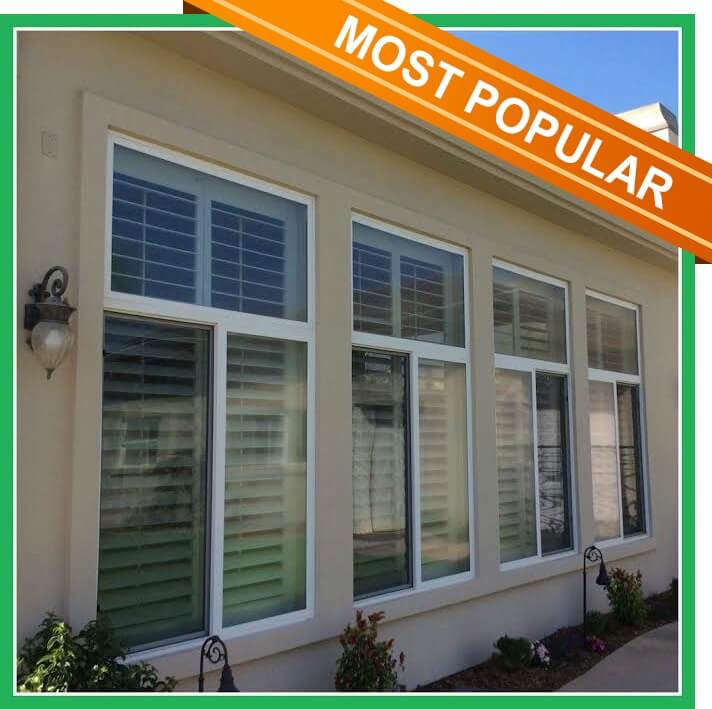
In this case, homeowners should make sure that there's a barrier between the reflective surface and the ground. This can be in the form of a shade tree, a shutter or awning. A window film is one of the best ways to minimize sun reflection damage. It diffuses the sun's rays and lessens the intensity of the reflection that hits the grass.

Homeowners should also inform the artificial turf company if the home has Low-E windows so that adjustments could be made.  

To ensure that you won't deal with unnecessary expenses several years down the line, cover all your windows with Turf Guard Window Film. It will protect your home's interior from the sun's heat and also prevent artificial grass from melting.

Never worry about your yard and what the warranty covers. Use Turf Guard and prevent sun reflection damage to your garden.
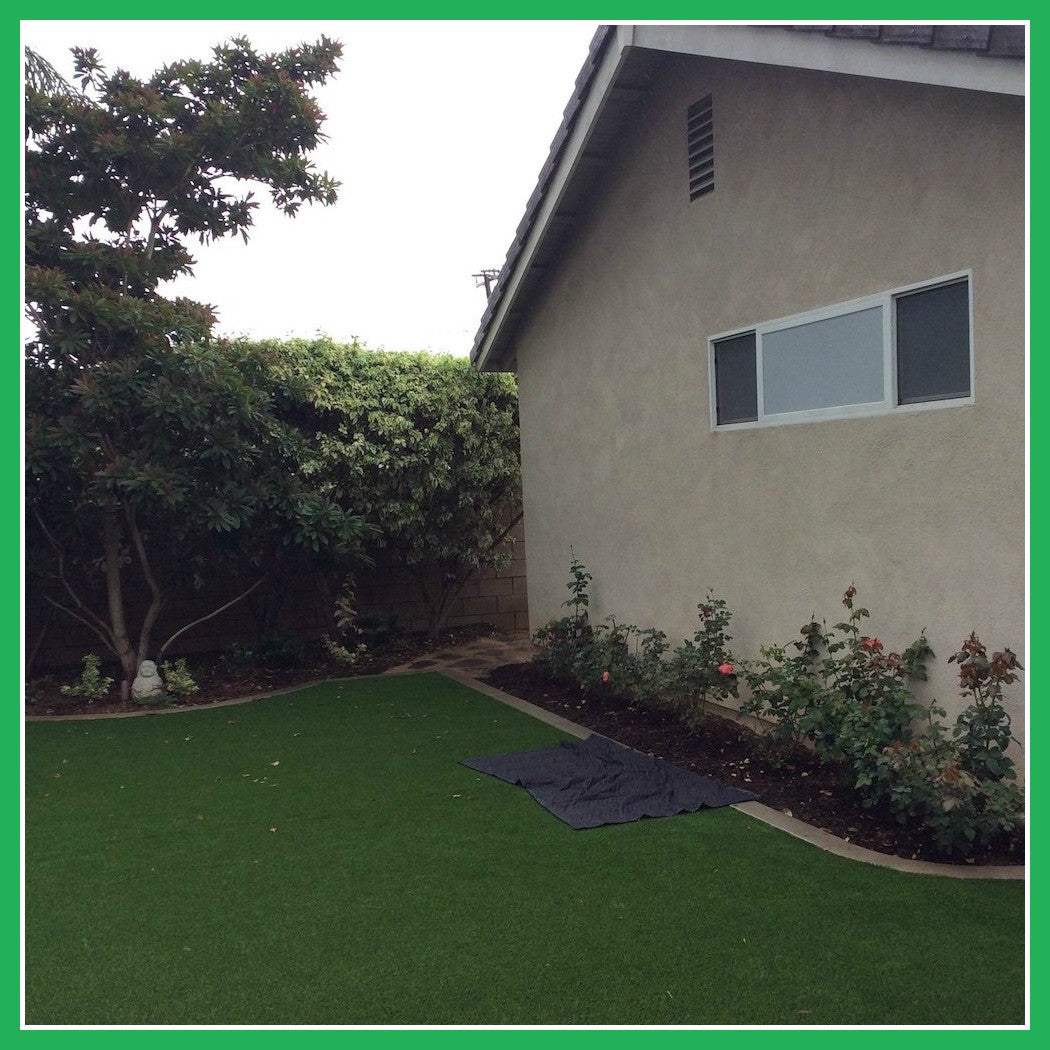
Protect Your Artificial Turf, Natural Grass and Vinyl Siding from Reflection Damage

Turf Guard Window Film is an Affordable Do-It-Yourself Window Film Solution

Related Posts

DIY or Call a Pro? Installing Exterior Turf Protecting Film That Looks Good and Actually Works
When artificial turf starts melting or you notice hot spots on siding, car trim, or patio items, the first solution most homeowners search for is e...
Read More
Can Low-E window glare start a fire? What homeowners report and how to prevent it
If you’ve ever noticed a patch of turf, a plastic item, or outdoor furniture that looks scorched after a sunny day, you may wonder if window glare ...
Read More
Why your turf only melts at 2 pm: angles, seasons, and the concave glass “lens” effect
If your artificial turf only melts at the same time every day, often around 2 pm, you’re not alone. Homeowners describe this as a “flash of light,”...
Read More
5 Things You Should Know Before Installing Artificial Turf
If you’re planning to install artificial grass, there’s one thing most people don’t learn until after they see a melted stripe or a burned patch: s...
Read More
Turf burn patterns decoded: wavy lines, melted stripes, and “crop circles” explained
If your artificial turf has strange shapes burned into it, a wavy line, a melted stripe, or a perfect “crop circle,” it’s normal to think something...
Read More
Window reflection is melting my artificial turf — what actually stops it?
If you’ve walked outside after a sunny day and noticed melted divots, shiny stripes, or a “crop-circle” patch on your synthetic grass, you're not i...
Read More
The Best Window Film to protect Artificial Grass from melting: How to Stop Window Reflection From Melting Artificial Grass
If you’ve seen melted turf lines, divots, or strange diagonal stripes in your lawn, you’re not alone. Thousands of homeowners discover the same thi...
Read More
Neighbor’s Low-E windows are burning my artificial turf: who pays and how do I fix it?
If you’ve noticed burned spots on your artificial turf, the culprit may be your neighbor’s Low-E windows. Low-E glass is designed to reflect heat a...
Read More

Leave a comment

Please note, comments must be approved before they are published