Having a greenhouse is a plant-lovers dream. Yet there are many complicated things that you must do to create the best atmosphere and condition for your plants. It is also the same in conditioning different types of artificial turf. Artificial turf also has its own conditioning solutions. It would vary from hot to cold, depending on the season, weather or climate.
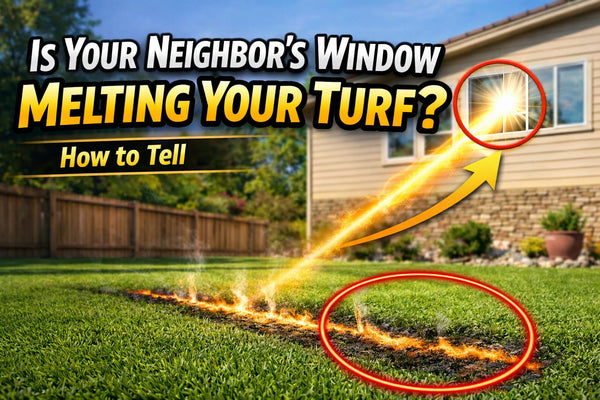
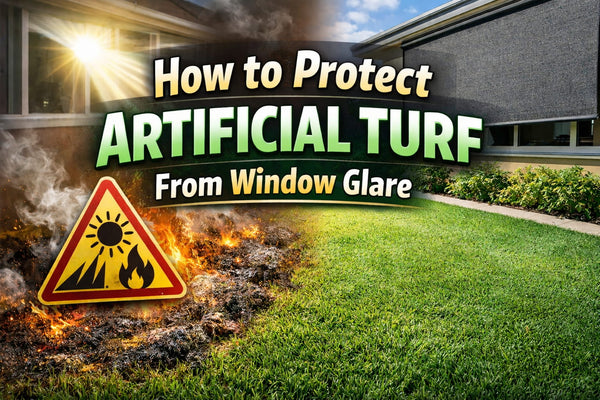
The most common way to condition the artificial turf varieties in your lawn is to use tinting, especially if your turf is inside a garden facility like a greenhouse or outside the house. By putting tint on the windows of the greenhouse or a certain area, it can set the condition that is compatible or suitable for the turf to be still presentable. Window tint is mostly used on vehicles for medical purposes, but it can also be used on your lawn, which is really helpful in minimizing the sun’s harmful rays, which can cause discoloration in artificial grass.
Uses of a Window Tint
Turf product comparison articles online say that window tints are designed to absorb the thermal rays of the sun. The amount of thermal rays absorbed depends on the thickness, shade, quality of the tint, and the type of tint. All grades of artificial grass need sunlight, yet the difference is that some grasses need less sunlight than others like artificial grasses.
Artificial Turf and the Suggested Percentage of Window Tint
Below is a list of events with the corresponding tint used:
- The hottest time of the year would be during summer. Online artificial turf comparison articles say that this is also the time where the temperature rises to almost 40 degrees above. This can be dangerous to your artificial turf because it might melt. So the tint you need to use are the darker ones, with around 70 percent sunlight absorption/reduction rate.
- When the temperature drops due to rain, it means that the temperature is cold and the tint that you can use are the lighter ones with 5 percent absorption/reduction rate since the sun light is blocked by the clouds.
- When the weather feels fair and nice the ideal tint to be used during this time is a tint with 20 percent absorption/reduction rate.
These three are the most common type of weather one can encounter during their lifetime. Depending on the circumstances, you can decide by yourself the type of tint variation that you want to use. To summarize, if the sun is really high up, choose darker tints and if there is less light choose lighter tints based on feedback from many turf product comparison online.
Additional Help
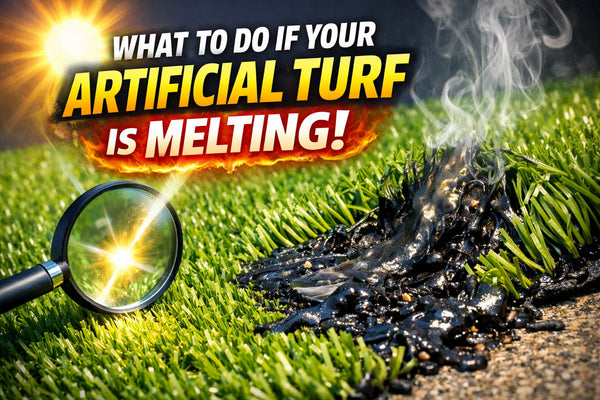
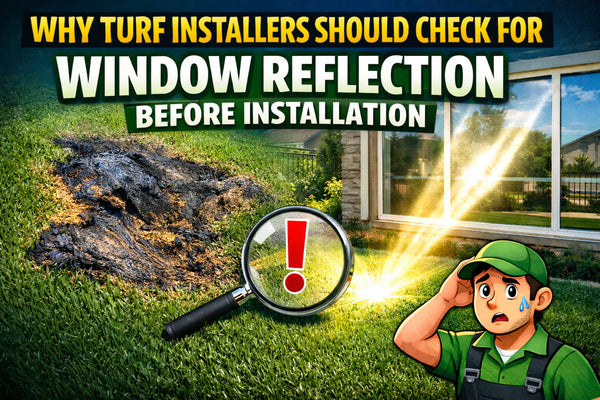
Applying window tints on your lawn is recommended if you want to maintain the green and fresh-looking condition of your artificial turf.Artificial grass has a low melting point, and the heat from window reflection is strong enough to cause damage to your artificial turf permanently.
Stains and spots can appear on your artificial turf. Remember to consult other people who are experienced in turf product comparison and in determining recommended artificial grass to avoid making mistakes.
As always, you should check out the best window film here even if you don’t have your turf installed yet.