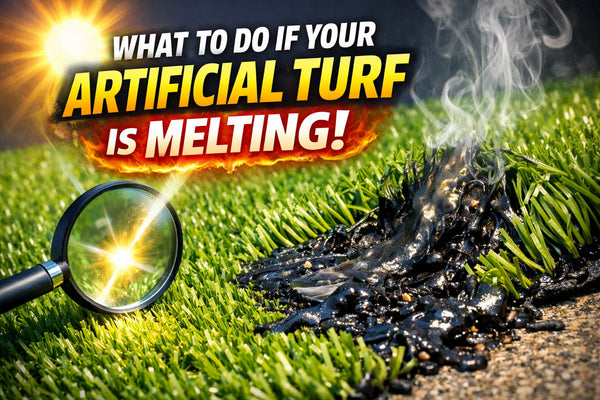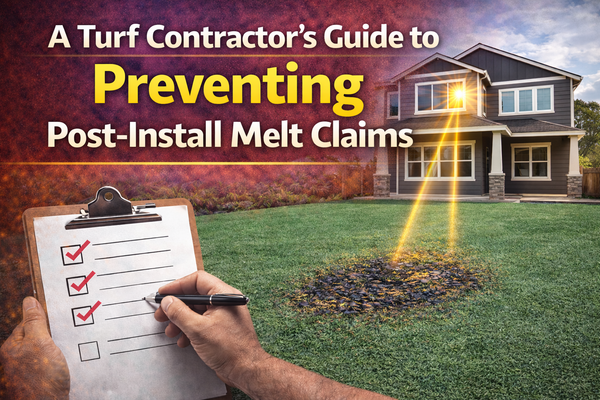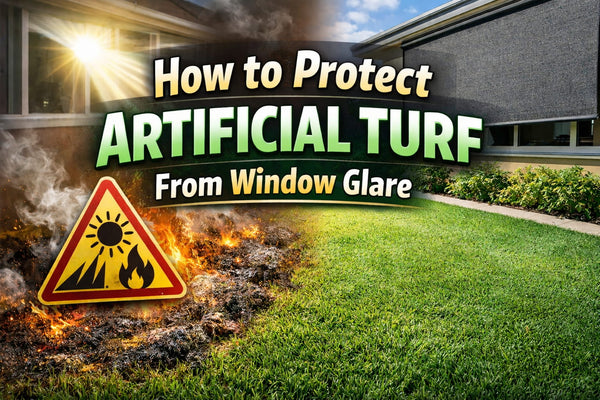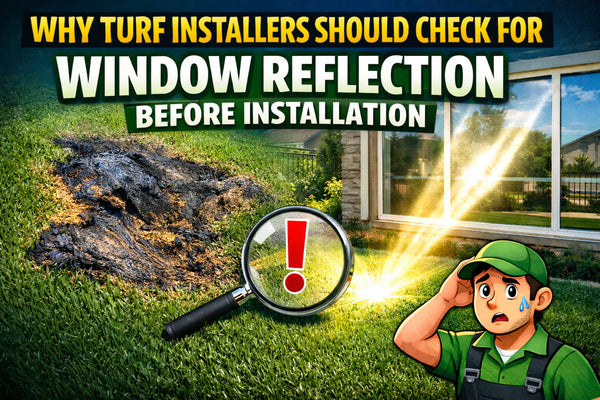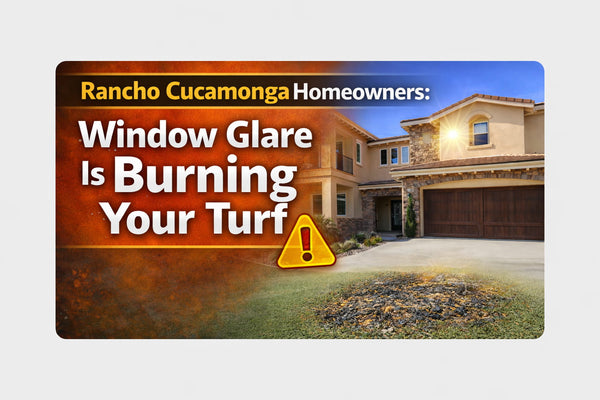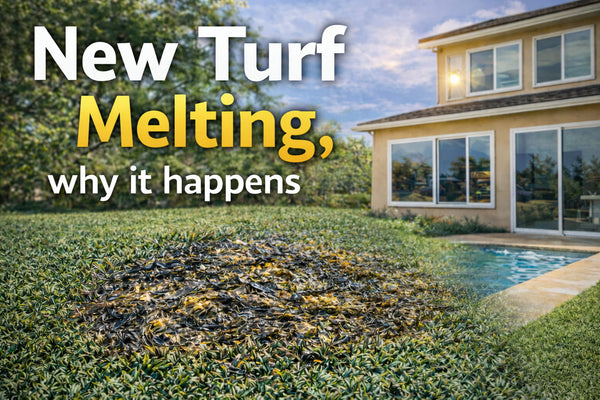
🛑 STOP Your ARTIFICIAL TURF from MELTING 🔥 Do-It-Yourself Window Film Solution 😎

Ways on How to Prevent Sunlight Melting Vinyl Siding

While we cannot prevent actual sunlight melting vinyl siding, we can always find the means to reduce sun glare on windows. In reducing the glares, we have to consider first the melting point of a vinyl siding. The melting point of a vinyl siding is approximately 160 to 165 degrees Fahrenheit which is relatively low.

Vinyl distortion is observed when the temperature hits the melting point of the vinyl siding. When that much heat is reflected from the sunlight to your neighbor’s windows to your vinyl siding, there is a high chance that the vinyl siding would not be able to withstand the heat and thus, will melt.

Luckily, this article will talk about some of the ways to prevent sunlight melting vinyl siding. One of the most common ways is to use our knowledge of the melting point of a vinyl siding.

You can have the option of decreasing the chance of sunlight melting vinyl siding through replacing your siding with a vinyl siding that is highly resistant to temperatures above 250 degrees Fahrenheit.

Ways on How to Prevent Sunlight Melting Vinyl Siding

Furthermore, you can always ask your neighbors to use perforated window screens over their glass windows in order to break the solar energy apart before it hits your vinyl siding. By doing this, the window glare will be scattered and not be directed at a focal point, and the heat will not be concentrated enough to cause the melting of your vinyl sidings.

Most of the time, the main reason as to why a vinyl siding melt is because your neighbor’s windows are low-E windows. Low-E windows are windows with low emissivity coatings. These coatings tend to bounce off the heat to one direction only. Thus, creating a concentrated heat that is enough to melt a vinyl siding.

Be friendly with your neighbor and see if you can ask them to replace their windows. If that doesn’t work, you can always ask if they can put in perforated window screens instead.

While you cannot control the sunlight reflection as well as your neighbor’s decisions, you can always find ways to create a buffer in between the vinyl and the window causing the reflected light. Landscape buffer does not only minimize the instances of melting vinyl, but it also adds aesthetic value.

In conclusion, sunlight melting vinyl siding can be prevented by either replacing your sidings with something that has resistant to high temperatures like a window film. A window film can be just the solution you need since it is both less expensive and easy to install.You can visit our website and check our Siding Guard Window Film to find out how it can prevent melted vinyl siding.

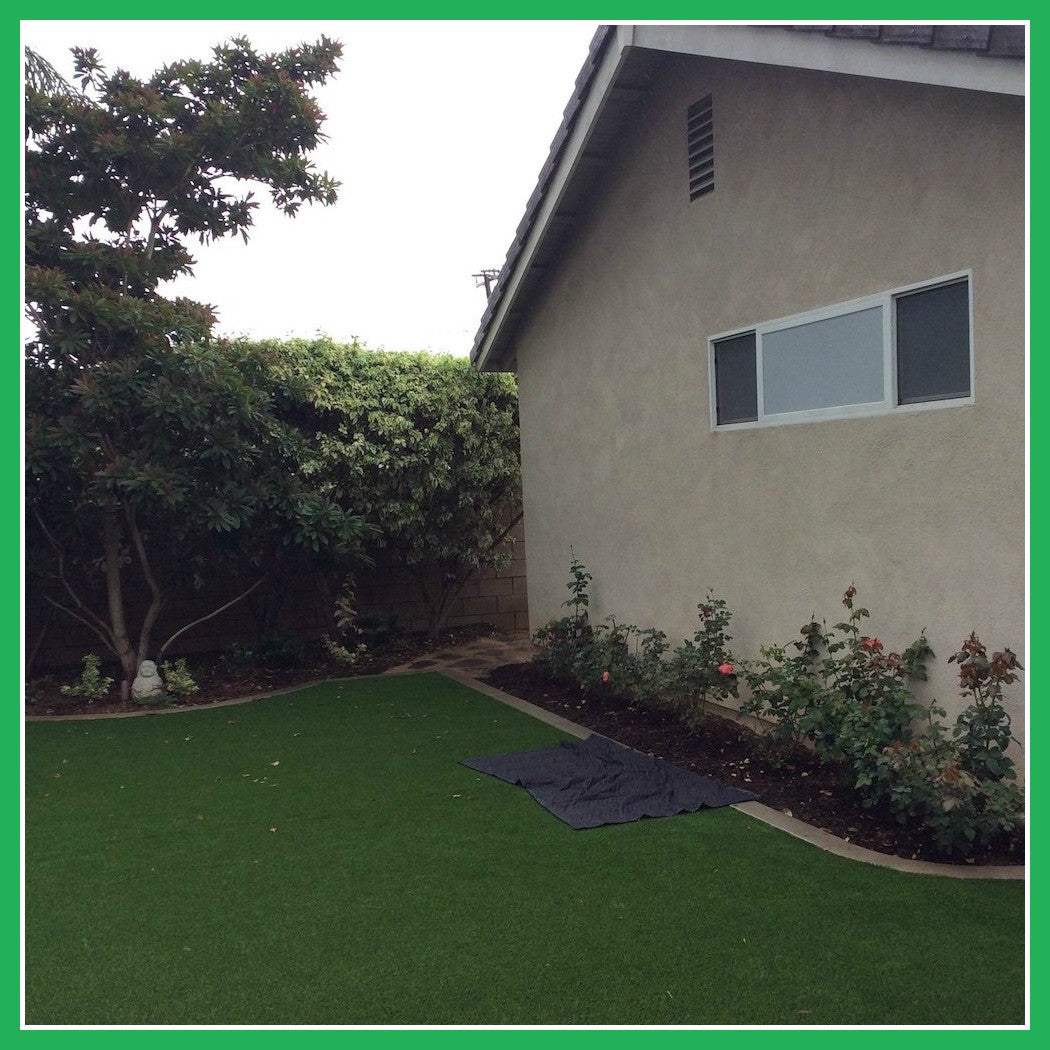
Protect Your Artificial Turf, Natural Grass and Vinyl Siding from Reflection Damage

Turf Guard Window Film is an Affordable Do-It-Yourself Window Film Solution

Related Posts

Can Windows Burn Artificial Turf? Causes, Signs, and How to Prevent Melt Damage
Homeowners are often shocked when they discover melted, shiny, or discolored patches in their artificial grass, especially when there’s no fire pit...
Read More
Does Turf Burn in Texas? What Homeowners Need to Know
Artificial turf has become increasingly popular across Texas thanks to extreme summer heat, watering restrictions, and the desire for low-maintenan...
Read More
Real Homeowner Experiences: Artificial Turf Installation, Upsides and Downsides
If you’re considering artificial turf for your yard, you’re not alone. Homeowners across the country have been making the switch from natural grass...
Read More
What Damages Artificial Turf? The Most Common Causes (and How to Prevent Them)
Artificial grass is known for being durable, low-maintenance, and long-lasting. But “durable” doesn’t mean indestructible. Homeowners are often sur...
Read More
Synthetic Grass Pros and Cons: What Homeowners Should Know Before Installing
Synthetic grass has become a popular alternative to natural lawns, especially in hot, dry climates where water conservation and low maintenance are...
Read More
How to Prevent Artificial Grass Fading in Arizona’s Intense Sun
Arizona sunshine is one of the biggest reasons homeowners choose artificial grass. No mowing, no watering, and a green lawn year-round sounds perfe...
Read More
How to Maintain Artificial Grass (Plus the Hidden Care Tip Most Homeowners Miss)
Artificial grass is popular because it looks great year-round with far less upkeep than natural grass. But “low maintenance” doesn’t mean “no maint...
Read More
What Is Turf Guard Window Film and How Does It Prevent Turf Melting?
If your artificial turf is melting, shrinking, or discoloring, especially in straight lines or concentrated hot spots, the turf itself is rarely th...
Read More

Leave a comment

Please note, comments must be approved before they are published