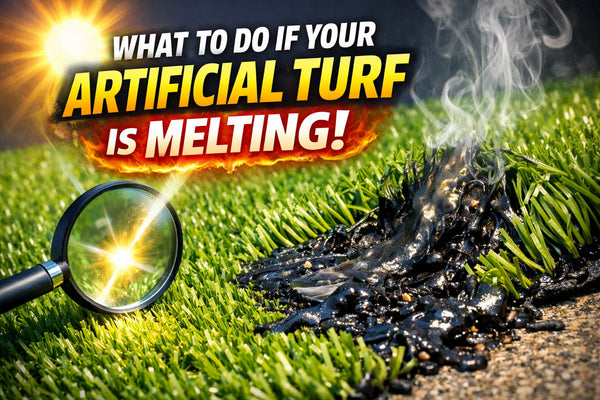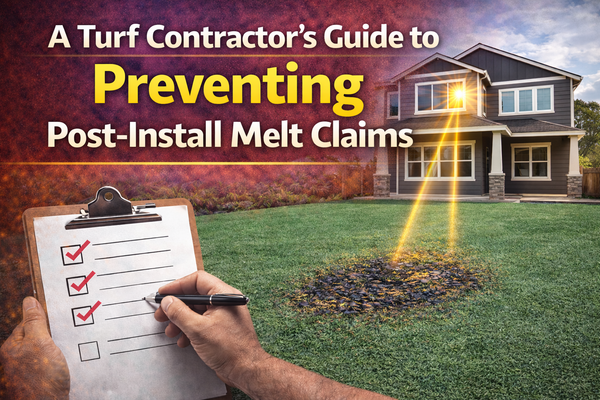
🛑 STOP Your ARTIFICIAL TURF from MELTING 🔥 Do-It-Yourself Window Film Solution 😎

4 Factors to Consider When Getting the Right Synthetic Grass

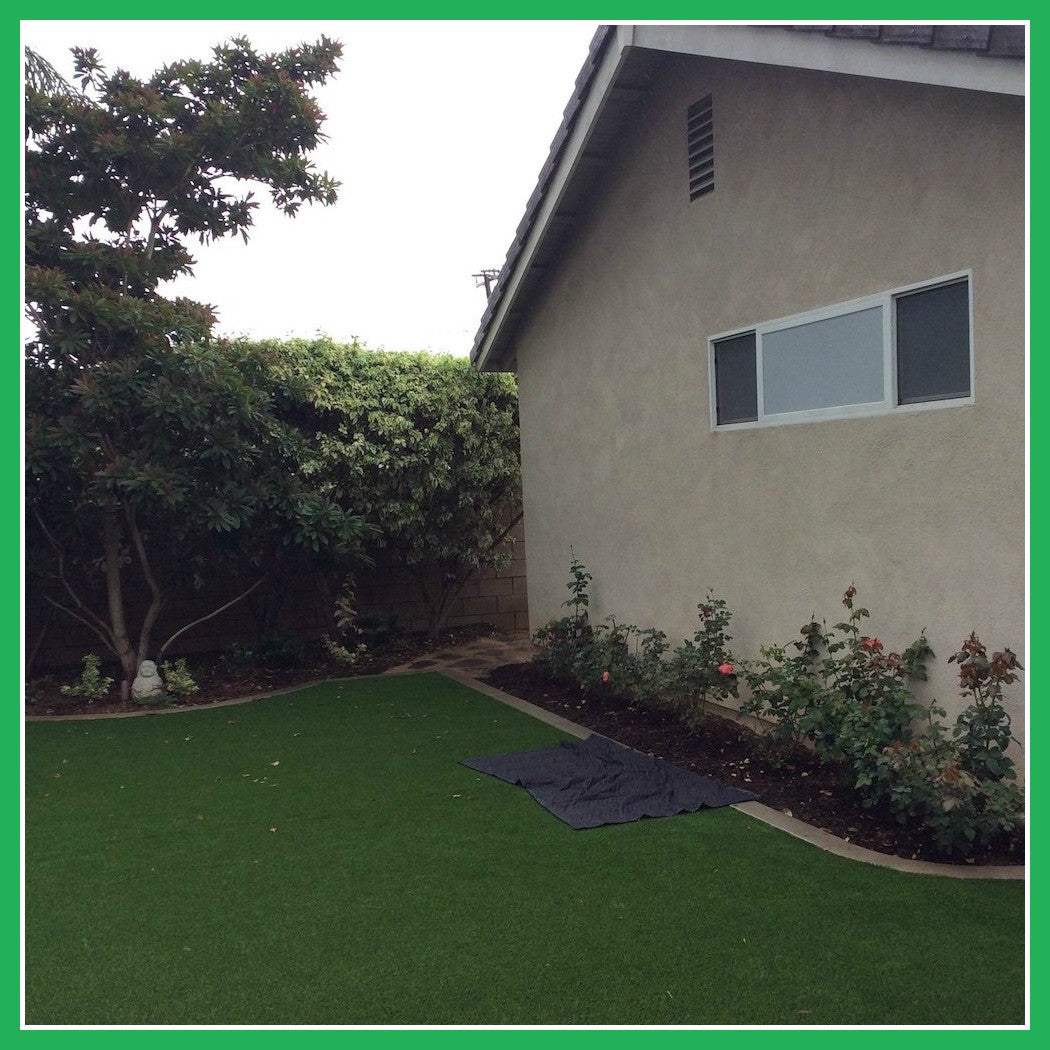
Synthetic grass is popular nowadays due to its low-maintenance requirements. Though it is generally installed in football fields, you can also use it for playgrounds, mini-golf courses, and gardens. Before, many people didn’t like this type of turf because it looked cheap and of low quality. This all changed when they improved the production process. If you shop for this material, you would think that they are actually real.

There are many artificial grass systems in the market. This makes it difficult to choose the best brand. If you are looking for a replacement for your lawn, you need to consider the following:

  1. The Pile Height of the Blades of the Turf

Pile height refers to the length of the blade on the flooring. The size varies depending on the carpet and its purpose. Synthetic grass used for landscaping measures between 1.5 to 2 inches. Meanwhile, residential fake turf has shorter blades with a height of 1.5 inches.

Pile height is relevant to the wear and tear qualities of the lawn, though it is not the only factor that you must consider.

  1. The Face Weight of the Carpet of the Turf

Face weight is the mass of yarn used per yard. The larger the amount of yarn utilized, the thicker the carpet; hence, the softer the feel of the texture. Like pile height, face weight is not the only thing you need to consider. You must also check the type of yarn that is used on the yard.

  1. The Backing Weight of the Layers

Backing weight refers to the thickness of the backing layers. Backing has two sheets. The primary layer is where the synthetic grass blades are pressed. This usually consists of two deposits. Meanwhile, the secondary layer has a coating that is applied to the grass blades. Its purpose is to enhance durability and to strengthen their binding.

When these sheets are combined together, it will give you the backing weight of the plastic grass. The standard weight of this carpet ranges from 26 to 28 ounces.

  1. The Total Weight of the Carpet

The amount of the face weight and the backing weight determines the overall mass of the fake lawn. When buying this type of carpet, you need to look for heavier flooring because it is more durable than lightweight carpets.

Aside from these things, you must also consider the roll width and the type of yarn used for the faux grass. If you consider these factors, you will get the right synthetic grass for your garden or the field.
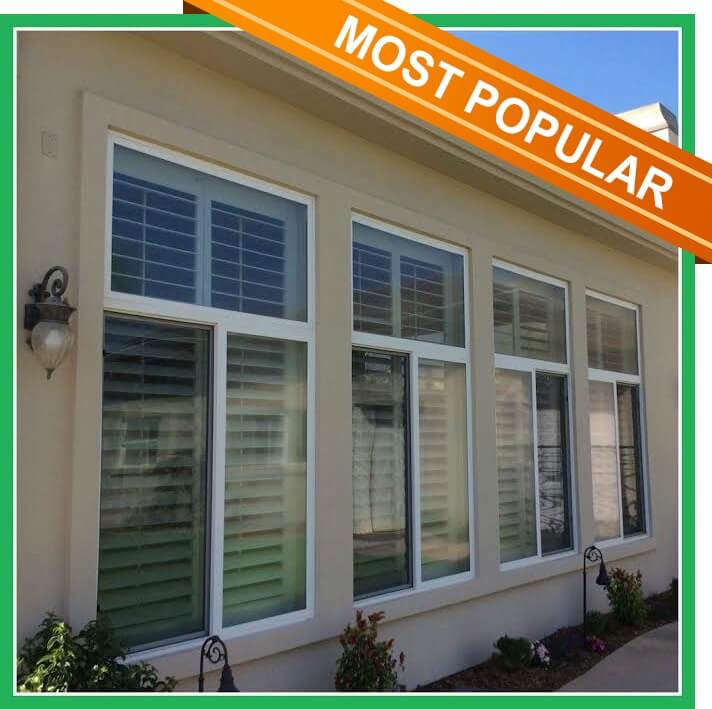
Protect Your Artificial Turf, Natural Grass and Vinyl Siding from Reflection Damage

Turf Guard Window Film is an Affordable Do-It-Yourself Window Film Solution

Related Posts

5 Things You Should Know Before Installing Artificial Turf
If you’re planning to install artificial grass, there’s one thing most people don’t learn until after they see a melted stripe or a burned patch: s...
Read More
Turf burn patterns decoded: wavy lines, melted stripes, and “crop circles” explained
If your artificial turf has strange shapes burned into it, a wavy line, a melted stripe, or a perfect “crop circle,” it’s normal to think something...
Read More
Window reflection is melting my artificial turf — what actually stops it?
If you’ve walked outside after a sunny day and noticed melted divots, shiny stripes, or a “crop-circle” patch on your synthetic grass, you're not i...
Read More
The Best Window Film to protect Artificial Grass from melting: How to Stop Window Reflection From Melting Artificial Grass
If you’ve seen melted turf lines, divots, or strange diagonal stripes in your lawn, you’re not alone. Thousands of homeowners discover the same thi...
Read More
Neighbor’s Low-E windows are burning my artificial turf: who pays and how do I fix it?
If you’ve noticed burned spots on your artificial turf, the culprit may be your neighbor’s Low-E windows. Low-E glass is designed to reflect heat a...
Read More
Tips to Protect Artificial Grass Before It Melts: What Every Homeowner Should Know Before Installing Turf
Artificial grass is a big investment, low maintenance and beautiful year-round. But as more homeowners switch to synthetic turf, many don’t learn o...
Read More
Why Is My Artificial Turf Melting? Top Reasons (And How to Fix Each One)
If you’ve found melted lines, divots, shrunken blades, or strange diagonal stripes in your artificial grass, you’re not alone. Turf melting is a gr...
Read More
Window reflection is melting my artificial turf: what actually stops it?
When artificial turf starts melting in lines, stripes, or random hot spots, the cause is almost always the same: concentrated window reflection cre...
Read More

Leave a comment

Please note, comments must be approved before they are published