Artificial turf is designed to stay soft, flexible, and natural-looking for years. So when homeowners notice that their turf suddenly looks shiny, flattened, or unusually hard, it can be concerning.
In many cases, this change in texture is an early warning sign that the turf has been damaged by concentrated heat.
The good news is that once you understand what’s causing it, you can stop the problem before it spreads across your lawn.
What Shiny, Hard Artificial Turf Usually Means
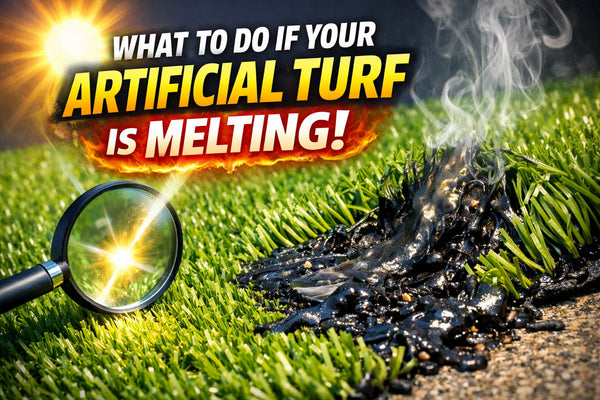
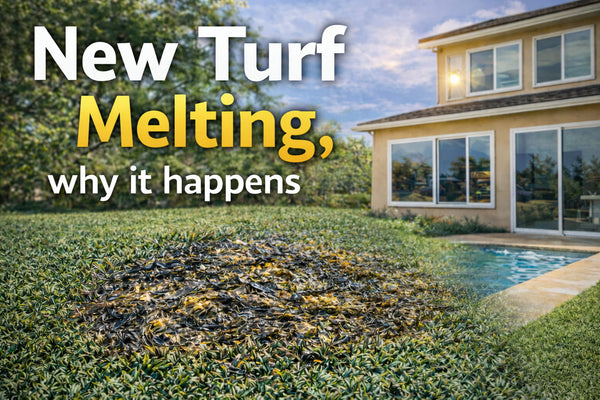
When artificial turf becomes shiny and stiff, it typically means that the synthetic fibers have been exposed to extreme heat.
Artificial grass is made from plastic-based materials like polyethylene or nylon. Under normal conditions, these materials remain flexible. But when exposed to intense heat, they can begin to soften, deform, and partially melt.
When this happens, the turf blades can:
-
Lose their natural texture
-
Become smooth and glossy
-
Feel hard or fused together
-
Appear flattened or brittle
This shiny, stiff texture often appears before more obvious melt damage occurs.
The Most Common Cause: Window Reflection
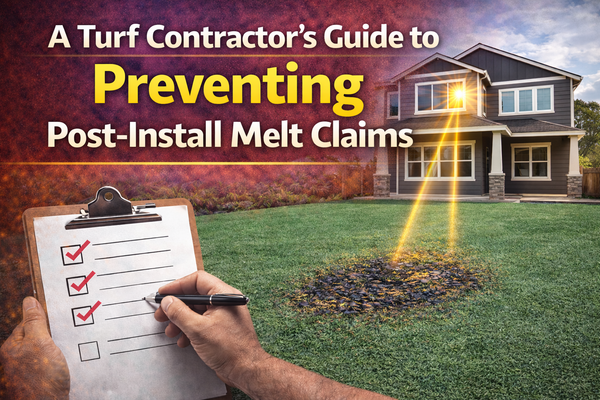
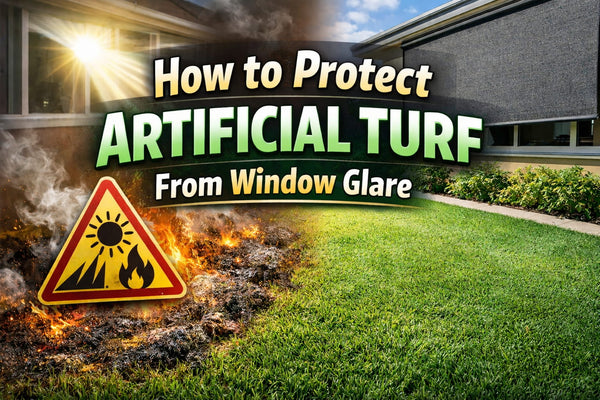
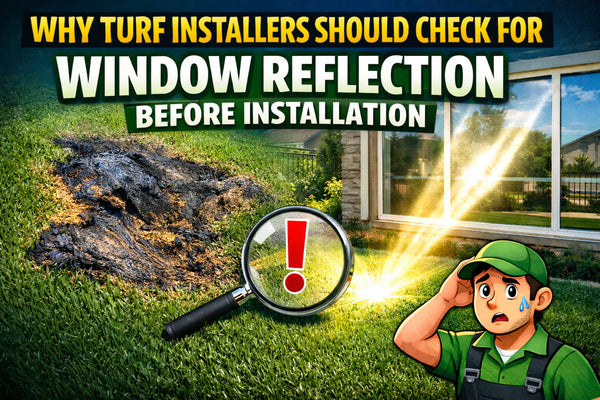
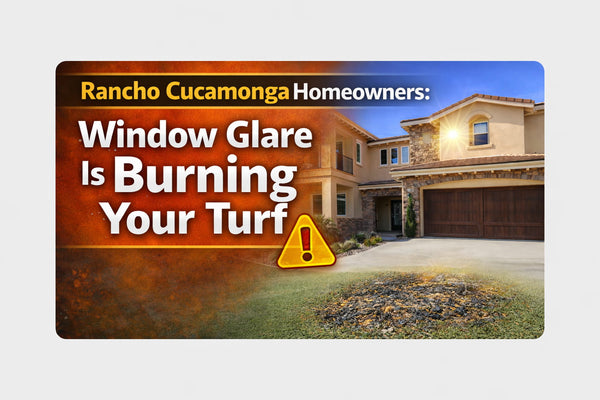
One of the most common reasons artificial turf becomes shiny and hard is concentrated sunlight reflecting off nearby windows.
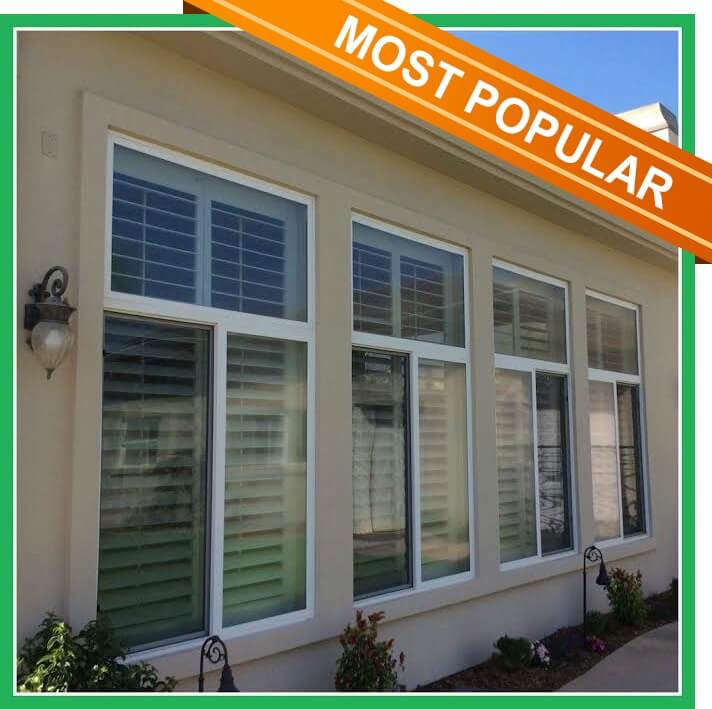
Many modern homes have Low-E energy-efficient windows designed to reflect heat away from the house. Under the right conditions, these windows can reflect sunlight in a concentrated beam, similar to a magnifying glass.
When this focused reflection hits artificial turf, it can create surface temperatures exceeding 200°F.
That level of heat is enough to:
-
Soften turf fibers
-
Cause them to partially melt
-
Create shiny or hardened areas on the lawn
Homeowners often first notice the turf looking shiny before they see full melting or burn patterns.

Signs That Window Glare Is Causing the Damage
If window reflection is responsible, the damage usually appears in recognizable patterns.
Look for these clues:
-
Straight or diagonal shiny lines across the turf
-
Areas that feel harder than the surrounding grass
-
Damage that appears in the same location each day
-
Changes that occur during afternoon sunlight hours
Sometimes the reflection comes from a neighboring home, not your own windows.
Standing in the affected area and looking toward nearby windows can often reveal the source of the glare.
Other Heat Sources That Can Harden Turf
While window reflection is the most common cause, other heat sources can also make artificial turf shiny and stiff.
These include:
-
Glass pool fencing
-
Fire pits
-
BBQ grills
-
Patio heaters
-
Reflective metal surfaces
-
Large mirrors or polished surfaces outdoors
Can Shiny Artificial Turf Be Fixed?
Unfortunately, once artificial turf fibers begin to melt or harden, they usually cannot return to their original shape.
Depending on the severity of the damage, options may include:
-
Replacing the affected turf section
-
Repairing the damaged area with a patch
-
Reinstalling a small portion of the lawn
Before repairing the turf, it’s important to address the source of the heat, otherwise the replacement turf may become damaged again.
How to Stop Artificial Turf From Hardening or Melting
The most effective way to prevent turf from becoming shiny, hard, or melted is to control the reflection causing the heat concentration.
Temporary solutions like umbrellas, shade sails, or landscaping changes may reduce the problem, but they often don’t eliminate the concentrated reflection from Low-E windows.
One of the most effective solutions is installing Turf Guard Window Film.
Turf Guard is designed to interrupt the reflection directly at the window, preventing sunlight from concentrating into a damaging beam.
Instead of reflecting sunlight as a focused hot spot, the film diffuses and disperses the light safely. This prevents the extreme temperatures that cause artificial turf fibers to melt, harden, or become shiny.
By controlling the reflection at the glass, Turf Guard helps protect:
-
Artificial turf
-
Vinyl siding
-
Patio furniture
-
Outdoor structures
How to Prevent Turf Damage in the Future
If you have artificial turf or are planning to install it, it’s important to check for potential reflection risks around your home.
Before installing turf, consider:
-
Which windows face the lawn
-
Where sunlight reflects during the afternoon
-
Whether nearby homes create glare
-
Whether reflection control solutions are needed
Identifying these risks early can help prevent costly turf repairs later.
Final Thoughts
If your artificial turf is shiny and hard, it’s often a sign that the fibers have been exposed to extreme concentrated heat.
In many cases, the cause is sunlight reflecting from nearby windows, especially energy-efficient Low-E glass.
By identifying the reflection and stopping the concentrated glare, you can protect your artificial lawn and prevent further damage.