Artificial turf is designed to be durable, low maintenance, and resistant to weather. So when homeowners start noticing melted lines, shiny patches, or burned areas appearing on their lawn, it can be confusing and frustrating.
If your artificial turf is melting, the most important thing to understand is this:
The turf itself is usually not defective.
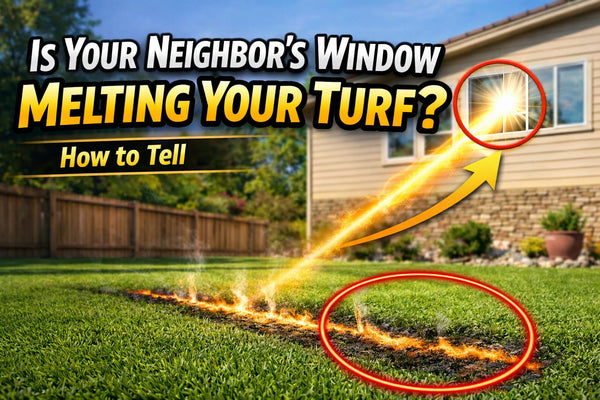
In most cases, melted artificial grass is caused by concentrated sunlight reflecting off nearby windows or glass surfaces. Once you identify the cause, the problem can be corrected and prevented from happening again.
Below is what you should do if your artificial turf is melting.

Step 1: Identify the Signs of Turf Melting
Artificial turf melting typically appears in very specific patterns. These signs can help you determine whether reflection or another heat source is causing the damage.
Common signs include:
-
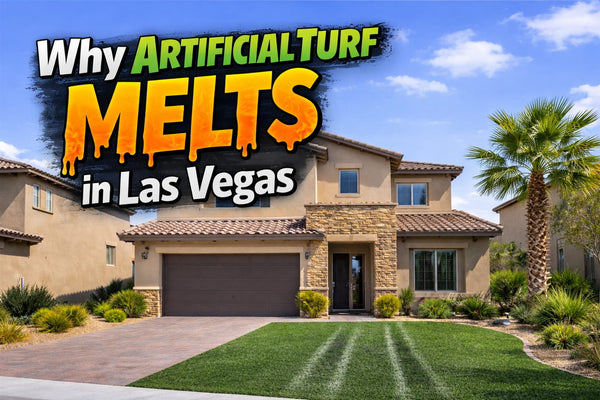
Straight or diagonal melted lines
-
Circular or oval burn marks
-
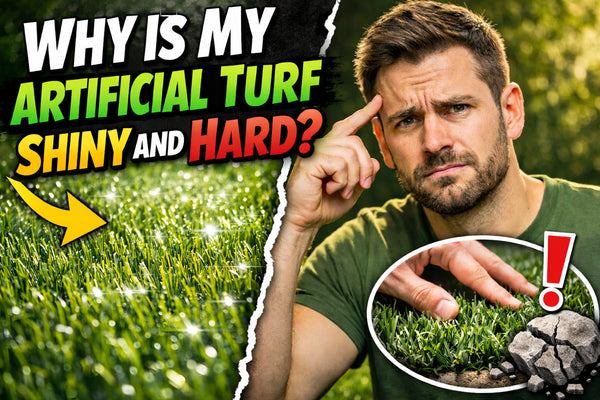
Turf blades that look shiny, brittle, or flattened
-
Small areas where the turf feels hard or fused together
-
Damage appearing in the same spot every day

Step 2: Look for Window Reflection
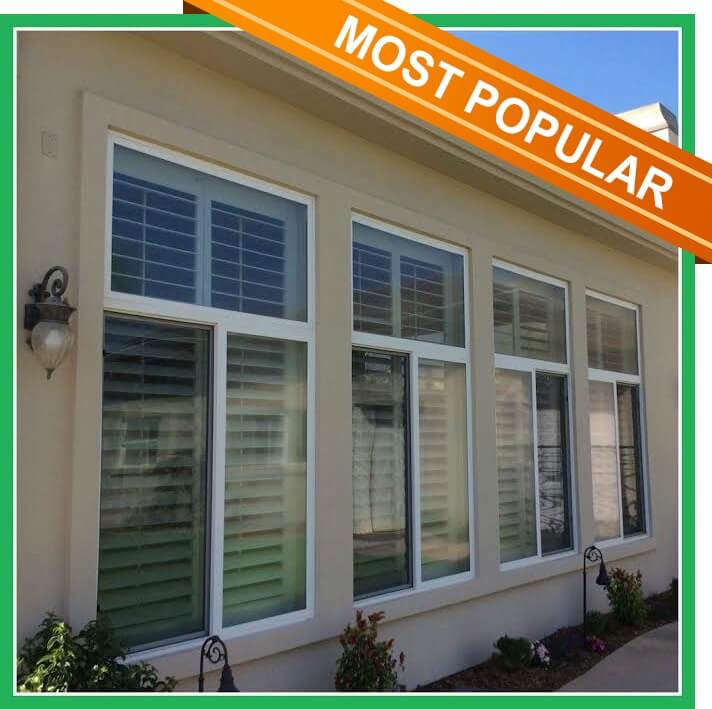
One of the most common causes of artificial turf melting is window reflection, especially from energy-efficient Low-E glass.
Low-E windows are designed to reflect solar heat away from your home to improve energy efficiency. Under the right sun angle, that reflection can become concentrated into a narrow beam of light, similar to a magnifying glass.
This concentrated reflection can:
-
Reach temperatures over 200°F
-
Melt synthetic turf fibers
-
Damage vinyl siding
-
Warp patio furniture
To find the source of the reflection:
-
Stand in the area where the turf is damaged.
-
Look toward your house and nearby homes.
-
Identify the window producing the brightest glare or flash of sunlight.
That window is usually the source of the hot spot.

Step 3: Check for Other Heat Sources
While window reflection is the most common cause, there are a few other things that can damage artificial turf.
Possible heat sources include:
-
Glass pool fencing
-
Reflective metal surfaces
-
Fire pits
-
BBQ grills
-
Outdoor heaters
-
Mirrors or stainless steel furniture
If the damage appears in clean lines or circular patterns, reflection from glass is almost always the cause.

Step 4: Repair the Damaged Turf
Unfortunately, once artificial turf fibers melt, they cannot be restored.
However, the damaged section can usually be repaired by:
-
Replacing the melted patch
-
Seam repairing the affected area
-
Installing a small turf section replacement
Most professional turf installers can complete this repair relatively quickly.
Before repairing the turf, it’s important to fix the cause of the melting first, otherwise the new turf will likely melt again.
Step 5: Stop the Reflection Before It Causes More Damage
To permanently solve the problem, the reflection creating the hot spot needs to be controlled.
Homeowners sometimes try temporary solutions such as:
-
Shade sails
-
Solar screens
-
Outdoor umbrellas
-
Landscaping changes
While these can help in some situations, they often don’t fully stop the concentrated reflection from Low-E windows.
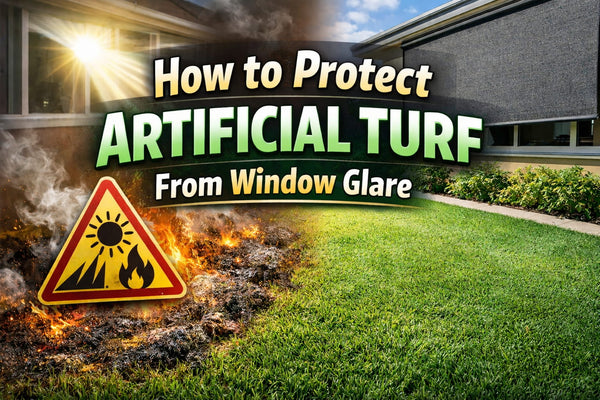
One of the most effective solutions is installing Turf Guard Window Film.
Turf Guard is designed specifically to interrupt the reflection at the glass itself. Instead of allowing sunlight to bounce off the window in a concentrated beam, the film diffuses and disperses the reflected light.
This prevents the formation of the intense hot spots that melt artificial turf and damage nearby surfaces.
By stopping the reflection at its source, Turf Guard helps protect:
-
Artificial grass
-
Vinyl siding
-
Patio furniture
-
Outdoor structures
The result is a safer reflection that protects your yard without changing the appearance of your windows.
Step 6: Prevent Future Turf Damage
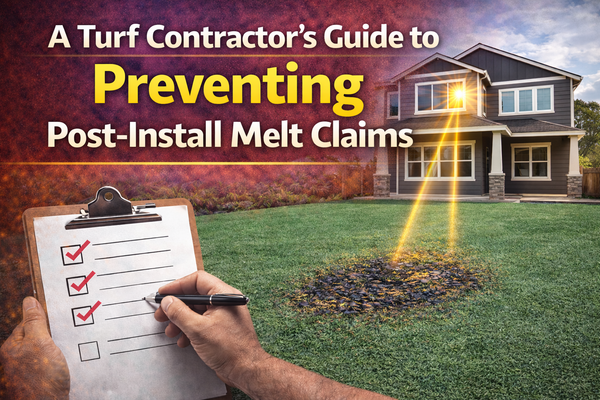
If you already have artificial turf or are planning to install it, it’s important to check for potential reflection risks early.
Before installing turf, homeowners and contractors should:
-
Identify Low-E windows facing the lawn
-
Observe where sunlight reflects during the afternoon
-
Check nearby homes for strong glare
-
Install reflection control solutions when needed
Taking these steps early can prevent expensive turf replacements later.
Final Thoughts
If your artificial turf is melting, the issue is almost always caused by concentrated sunlight reflection, not the turf itself.
The key steps are:
-
Identify the source of the reflection.
-
Repair the damaged turf.
-
Install a solution that prevents concentrated glare.
By stopping the reflection at the window, you can protect your artificial lawn and avoid future damage.