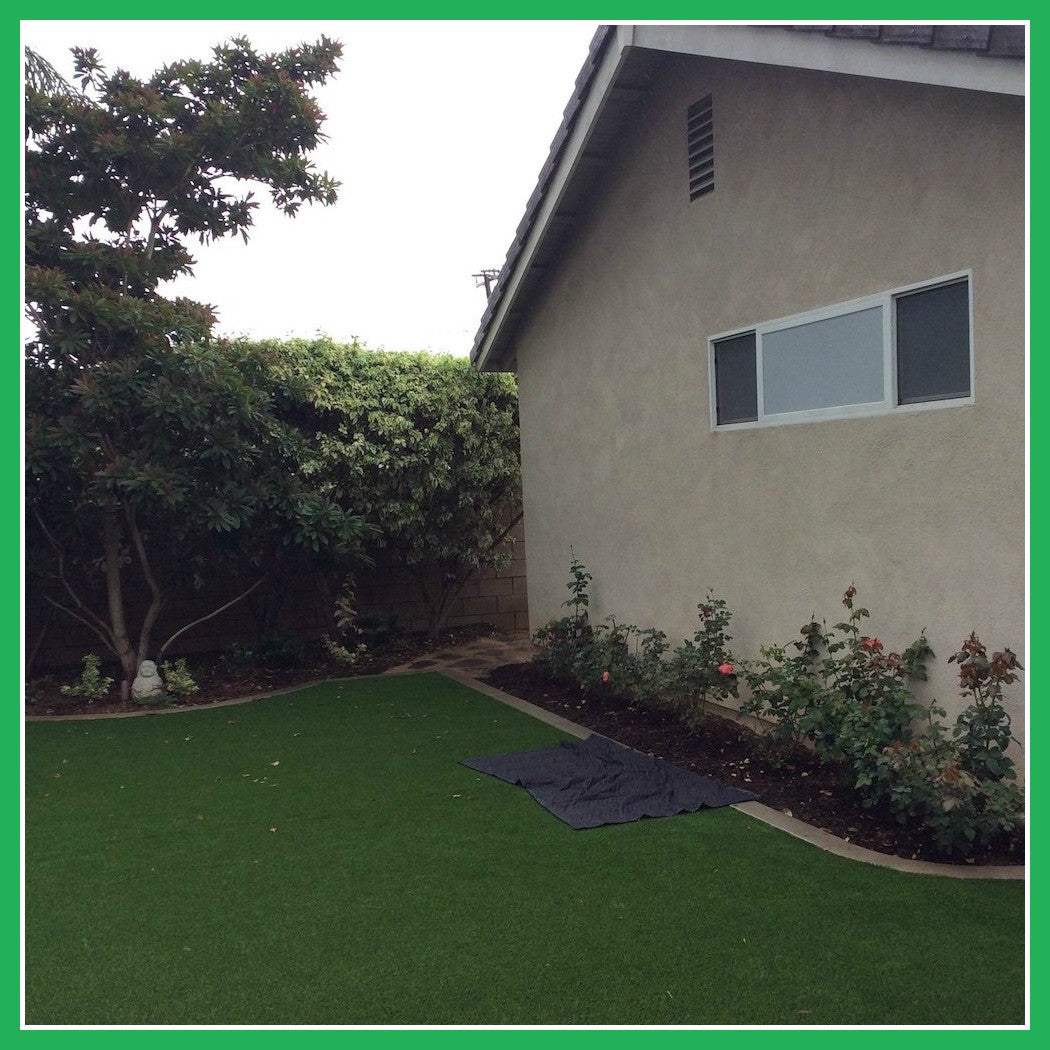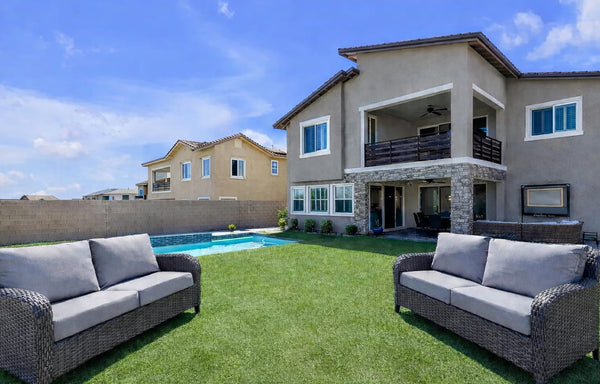
Artificial turf should be a low-maintenance, high-margin upgrade for homeowners.
But in hot-climate markets like Arizona, Nevada, Texas, and California, one issue is creating expensive callbacks and warranty disputes:
Post-install turf melting.
If you’re a turf contractor, preventing melt claims isn’t just about product quality. It’s about identifying risks before installation and documenting everything.
This guide walks you through how to protect your installs, your reputation, and your margins.
The #1 Cause of Post-Install Melt Claims: Window Reflection
Most homeowners assume turf melts because:
-
It’s too hot outside
-
The turf was low quality
-
The installer made a mistake
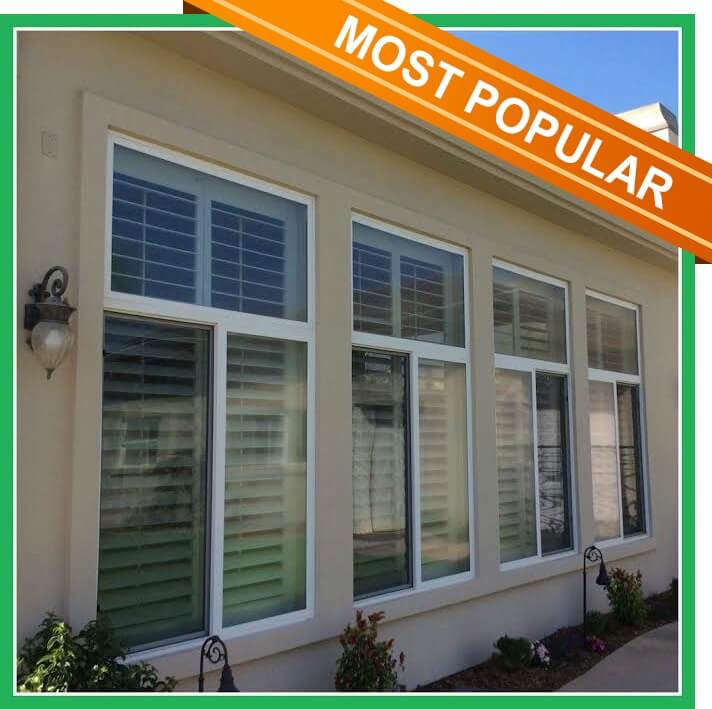
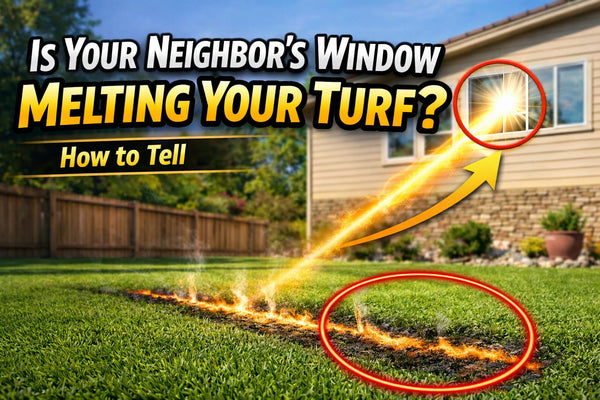
In reality, the leading cause of turf melting is concentrated reflected sunlight from Low-E windows.
Modern energy-efficient windows are designed to reflect heat away from the home. Under the right sun angle, that reflected light can:
-
Focus into a narrow beam
-
Act like a magnifying glass
-
Exceed 200–250°F at ground level
-
Melt polyethylene and nylon turf fibers
The turf isn’t defective.
The reflection is the problem.

Why Turf Contractors Get Pulled Into Claims
Even when the root cause is window glare, homeowners often:
-
Call the installer first
-
Assume installation error
-
Request warranty replacement
-
Leave negative reviews
Without documentation showing pre-existing reflection risk, you’re exposed to:
-
Free re-install demands
-
Builder disputes
-
HOA conflicts
-
Insurance complications
Preventing melt claims starts before the turf goes down.
Step 1: Add a Reflection Check to Every Site Visit
Before installation:
✔ Visit During Peak Sun Hours
Glare typically occurs between 10am–3pm.
✔ Stand Where Turf Will Be Installed
Look toward:
-
The client’s windows
-
Neighboring homes
-
Sliding glass doors
-
Glass pool fencing
If you see a bright, concentrated glare or flashing beam, that’s a hot-spot risk.
✔ Look for Existing Clues
Even without turf installed, signs of concentrated reflection may include:
-
Burned natural grass in straight lines
-
Warped vinyl siding
-
Melted patio furniture
-
Faded decking patterns
Document everything with photos.
Step 2: Educate the Homeowner Before Installation
Most homeowners have never heard of turf melting from window reflection.
Explain clearly:
-
Heat alone does not melt turf
-
Concentrated reflection can
-
Replacement won’t fix it if glare remains
This positions you as an expert, not just an installer.
Transparency builds trust and prevents future conflict.
Step 3: Update Your Contract Language
Protect your business by including:
Reflection Risk Disclosure
State that reflective surfaces may cause localized overheating.
Documentation Acknowledgment
Include photos taken during site inspection.
Mitigation Responsibility Clause
Clarify that reflection mitigation is outside the turf installation scope unless otherwise agreed.
This one change can prevent thousands in unnecessary replacements.

Step 4: Offer Solutions (Without Owning the Liability)
You don’t have to solve the reflection problem, but you should guide clients toward solutions.
Common mitigation options include:
-
Turf Guard window film designed to diffuse glare and prevent or stop turf from melting
-
Solar screens
-
Shade structures or awnings
-
Landscaping adjustments
Many contractors partner with specialists like Turf Guard Window Film to provide a turnkey solution when glare risk is identified.
When reflection is stopped at the window, melt risk stop.
Step 5: Never Replace Turf Without Fixing the Cause
One of the most expensive mistakes contractors make:
Replacing melted turf without addressing reflection.
If glare remains:
-
The new turf will melt again
-
The homeowner will blame you
-
Costs compound
Always require mitigation before agreeing to re-installation.
Step 6: Protect Your Reputation Proactively
Post-install melt claims hurt more than profit, they damage trust.
Preventative steps that protect your brand:
-
Include reflection inspection in your checklist
-
Train sales reps to spot glare
-
Photograph every elevation of the home
-
Keep records attached to the job file
When disputes arise, documentation wins.
What Happens When You Ignore It
Without preventative measures:
-
Homeowners demand warranty coverage
-
Builders shift blame
-
Online reviews suffer
-
Profit margins disappear
With preventative measures:
-
Fewer callbacks
-
Stronger contracts
-
Higher professionalism
-
Increased referrals
The Bottom Line for Turf Contractors
Artificial turf melting isn’t just a homeowner issue. It’s a contractor risk.
In today’s market, checking for window reflection before installation is part of professional due diligence.
Identify glare.
Document it.
Educate the client.
Update your contracts.
Preventing post-install melt claims isn’t complicated, but ignoring reflection is expensive.
And the contractors who adapt will dominate the market.