Artificial turf has become increasingly common across Scottsdale, and it’s not just a design trend. The combination of extreme heat, limited rainfall, and long-term water conservation policies has fundamentally changed how homeowners think about landscaping.
For many Scottsdale residents, artificial grass isn’t a luxury upgrade, it’s a practical response to the realities of desert living.
Here’s why heat and water restrictions continue to drive strong demand for artificial turf in Scottsdale.
Scottsdale’s Climate Makes Natural Grass Hard to Sustain
Scottsdale sits in the Sonoran Desert, where:
-
Summer temperatures routinely exceed 105–110°F
-
Rainfall is limited and inconsistent
-
Evaporation rates are extremely high
Maintaining natural grass in these conditions requires:
-
Frequent irrigation
-
Overseeding in winter
-
Fertilization and constant repair
Even with aggressive watering, many lawns struggle to stay green year-round. As a result, homeowners are increasingly looking for alternatives that don’t fight the climate.
Water Restrictions Are a Major Factor
Like much of Arizona, Scottsdale operates under long-term water conservation strategies designed to protect limited water resources. While policies evolve over time, the overall message to homeowners is clear:
Outdoor water use matters.
Traditional lawns are one of the largest sources of residential water consumption. Artificial turf offers an immediate reduction in water use by eliminating:
-
Daily irrigation
-
Seasonal overseeding
-
Runoff and overspray
For homeowners who want to lower water bills or align with conservation goals, turf becomes an attractive option.
Artificial Turf Solves the “Brown Lawn” Problem
In Scottsdale, natural grass often:
-
Goes dormant in summer
-
Turns patchy or brown during heat waves
-
Requires constant intervention to survive
Artificial grass provides:
-
A consistently green appearance
-
Predictable curb appeal
-
No seasonal die-off
This reliability is especially appealing in HOA-governed neighborhoods where lawn appearance is closely regulated.
Lower Maintenance Is a Big Draw in Extreme Heat
Yard work in Scottsdale summers can be uncomfortable, and even dangerous, during peak heat hours.
Artificial turf eliminates the need for:
-
Mowing in triple-digit temperatures
-
Fertilizing and chemical treatments
-
Reseeding and patch repair
For busy homeowners, retirees, and families, the reduced maintenance alone is often enough to justify the switch.
Pet Turf Is Especially Popular in Scottsdale
Pet owners are a major driver of turf demand in Scottsdale.
Artificial turf:
-
Drains quickly
-
Doesn’t turn to mud
-
Handles heavy traffic better than natural grass
In a climate where natural lawns struggle to recover, turf provides a durable solution for dogs and high-use areas.
The Tradeoffs Homeowners Need to Understand
While artificial turf offers real advantages in Scottsdale, it’s not without challenges.
Heat Retention
Artificial grass can become very hot in direct sun, especially in summer afternoons. Shade planning is important for comfort and usability.
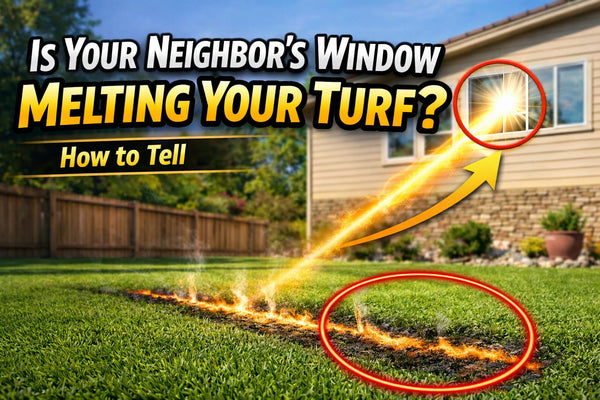
Window Reflection & Turf Melting
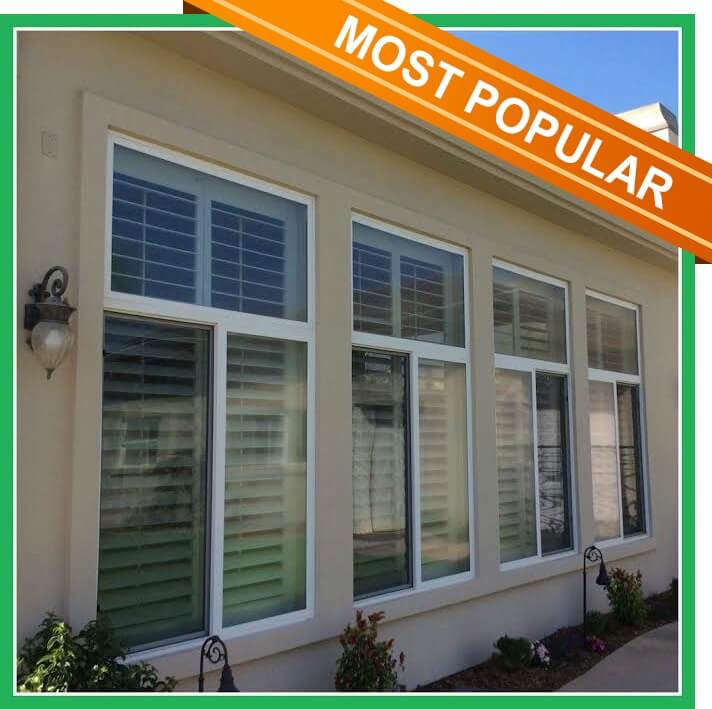
Many Scottsdale homes feature large, energy-efficient windows. Under certain conditions, reflected sunlight can create concentrated hot spots that damage turf. This issue surprises many homeowners and underscores the importance of proper planning before installation.
Upfront Cost
Artificial turf requires a higher initial investment than sod. While long-term water savings help offset this, the upfront cost can still be significant.
Why Demand Continues to Grow Despite the Challenges
Despite these considerations, artificial turf remains popular in Scottsdale because:
-
Water conservation isn’t optional, it’s necessary
-
Natural grass struggles in desert conditions
-
Homeowners value predictable, low-maintenance landscaping
As long as heat and water scarcity remain defining features of life in Scottsdale, demand for artificial turf will continue.
The Key to Success: Planning for the Desert
Homeowners who are happiest with artificial turf typically:
-
Evaluate sun exposure and heat patterns before installation
-
Plan for shade and cooling where needed
-
Understand how windows and reflective surfaces affect turf
-
Choose products designed for high-UV environments
Artificial grass works best in Scottsdale when it’s installed with the desert in mind, not against it.
Final Takeaway
Scottsdale’s heat and water restrictions aren’t temporary challenges, they’re permanent realities. Artificial turf has emerged as a practical response, offering water savings, consistent appearance, and reduced maintenance in an unforgiving climate.
For homeowners willing to plan thoughtfully, artificial turf can be a smart, sustainable solution that fits the future of desert living.