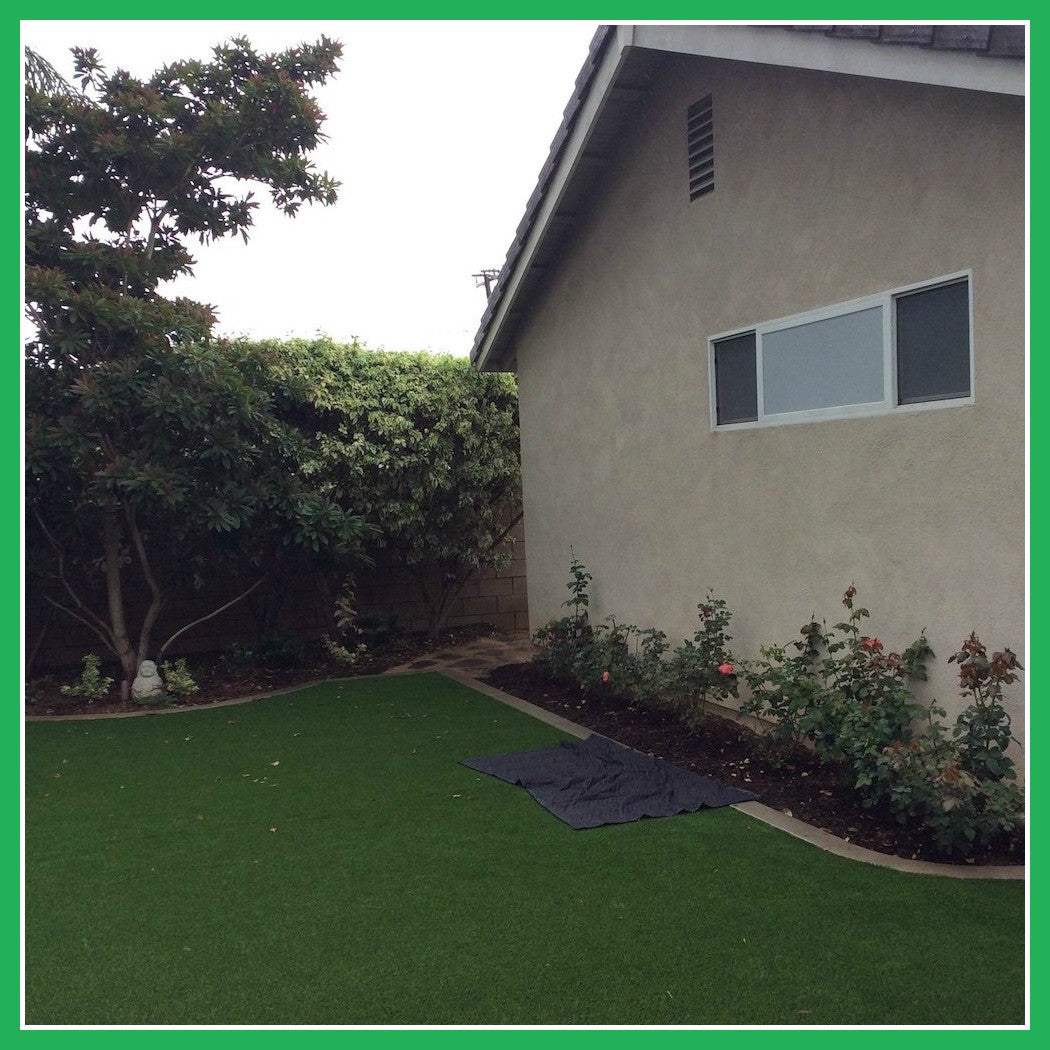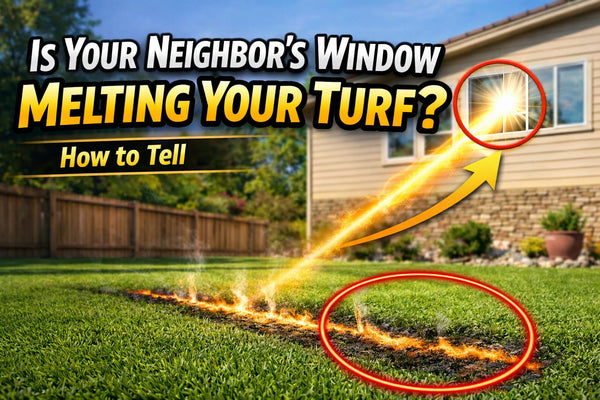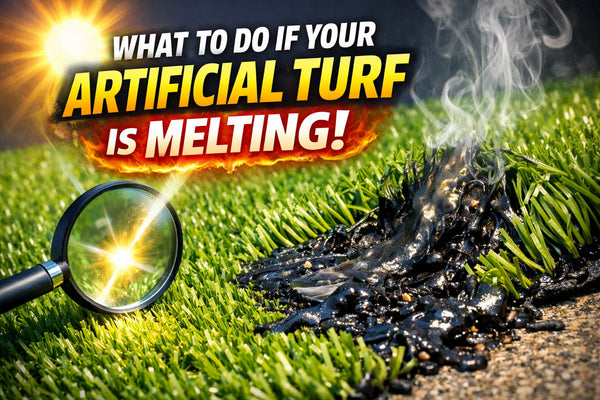
If you just installed artificial turf and suddenly noticed a straight melted line appear, then days later a second one, it’s easy to assume the grass is defective or it was damaged during installation. But what’s actually happening may surprise you. You’re likely seeing window-reflection thermal damage, one of the most common and least understood causes of artificial turf failure.
Let’s explain what’s actually happening.

Why Melted Turf Appears in Perfect Lines
When artificial turf melts from normal heat, it warps or fades evenly.
When it melts in a straight or parallel line, that is the fingerprint of reflected sunlight.
Modern energy-efficient windows, especially Low-E coated glass don’t just block heat,
they reflect it.
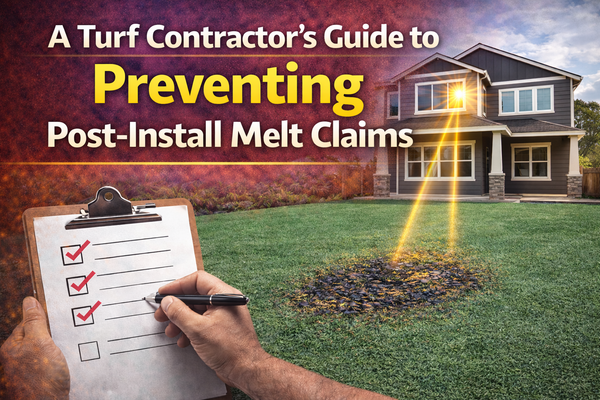
Under the right sun angle, these windows act like a magnifying glass, focusing sunlight into a narrow, extremely hot beam that moves across the yard as the sun moves.
That beam can reach 200–250°F, which is hot enough to:
-
Melt artificial turf fibers
-
Shrink turf backing
-
Warp vinyl siding
-
Melt patio furniture
-
Damage car mirrors
And it happens fast.

Why a New Line Appeared Days Later
This is what makes homeowners think something else is going on.
The sun does not follow the same path every day.
As the season changes:
-
The sun sits higher or lower in the sky
-
The reflection shifts position
-
The hot spot moves across the lawn
One day you get one melted line. A few days later, the angle changes, and a new line appears almost parallel to the first.
This is why turf installers see “mysterious” repeated damage in brand-new lawns.
The turf isn’t failing. The reflection is moving.
Why You Might Not See the Sunbeam
Many homeowners say: “I never saw any beam.” That’s normal.
These reflections:
-
Can be extremely narrow
-
Only appear for 10–30 minutes
-
Are invisible unless you’re outside at the exact time
Most damage happens:
-
Midday to mid-afternoon
-
When people are at work
-
When glare is strongest
By the time you go outside later, the beam is gone, but the turf is already melted.
Why It Might Be a Neighbor’s Window
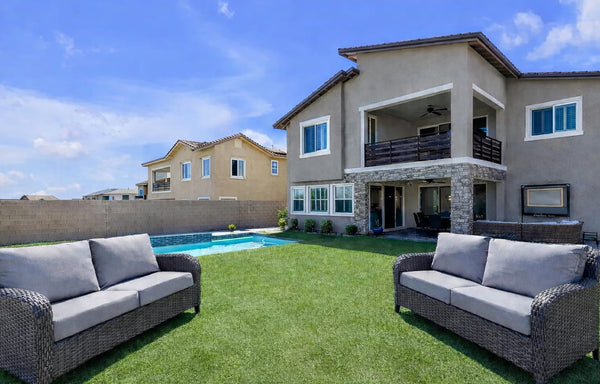
One of the most surprising parts of these cases is that the damaging reflection often comes from a neighbor’s home. Second-story Low-E windows can project glare 10, 20, or even 30+ feet across property lines. The sun doesn’t have to be “behind” their house for this to happen, it only needs to hit the glass at the right angle. This is why many homeowners see turf melting in areas that don’t line up with their own windows.

Why Replacing the Turf Will Not Fix It
This is where thousands of homeowners get stuck.
Even premium nylon turf will melt if a 200°F+ reflection hits it every day.
This is why turf warranties exclude:
“thermal distortion”
“window reflection”
“heat damage”
The problem is not the grass. The problem is the window acting like a magnifying lens.
How to Prove It in 5 Minutes
Here’s how professionals diagnose this:
-
Go outside at the time damage normally appears (usually 12–3 pm)
-
Stand in the melted line
-
Look toward your house and neighboring homes
-
Find the window throwing off the brightest glare
That window is creating the hot spot. You can often record it on your phone.

How This Is Permanently Fixed
There are only three things that actually work, because they all treat the window, not the turf.
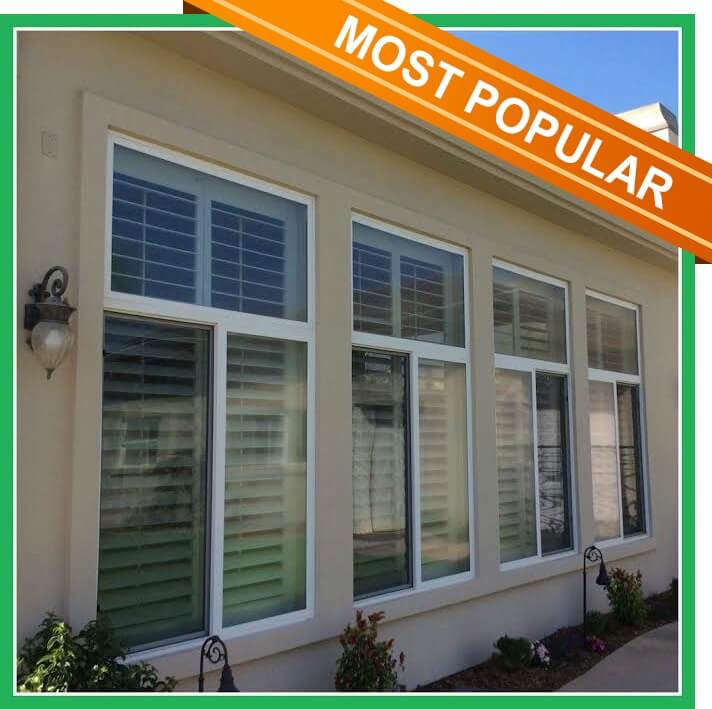
1. Exterior Turf-Guard Window Film
This is the most popular solution.
It:
-
Goes on the outside of the glass
-
Breaks up the reflection
-
Stops the magnifying-glass effect
-
Does not darken the window
-
Is HOA-friendly in most neighborhoods
Once installed, the hot spot disappears.
2. Solar Screens
- Screens absorb and block glare before it hits the glass.
- Very effective, but some HOAs restrict them on front-facing windows.
3. Shade or Landscaping
- Awnings, sails, trees, or structures that block sunlight before it hits the window can work, but they are often expensive or slow.
So Why Is Your Brand-New Artificial Turf Melting in Lines?
This is almost certainly sunlight reflection from a window.
The straight, parallel melt lines are classic Low-E glass damage.
The reason you didn’t see it happen is timing.
The reason it happened again is sun angle.
And the reason it will keep happening is because the reflection hasn’t been stopped.
Once you treat the window, not the turf, the problem ends.