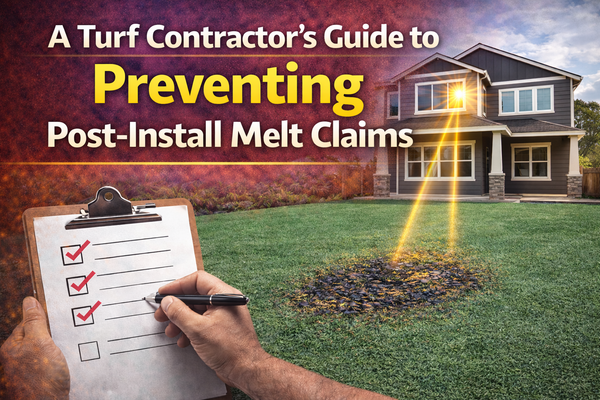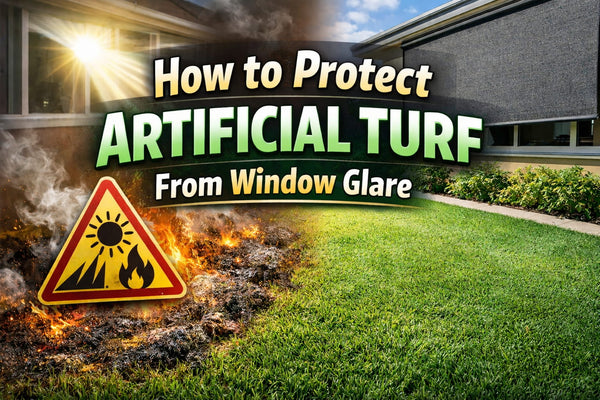
🛑 STOP Your ARTIFICIAL TURF from MELTING 🔥 Do-It-Yourself Window Film Solution 😎

Melted Vinyl Siding – A Pandemic Outbreak of House Siding

Is your vinyl siding melting? Reports about this issue are increasing. The melting happens because of the sun’s reflection on nearby windows. Most cases are on vinyl siding that melts, gets replacements, but distorts for the second time around.

Two factors trigger this problem. First is the melting point of vinyl, and second is the hot temperature.

Vinyl Has a Low Melting Point

According to the Vinyl Siding Institute (VSI), the average melting point of this material ranges from 160 to 165 degrees. Once the house siding reaches its limit, it softens the wall until it melts. However, heat coming from energy-efficient windows can reach up to 200 degrees – more than enough to distort vinyl siding colors.

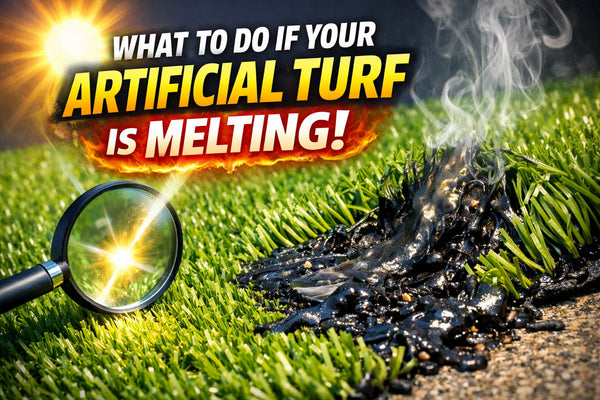
But there are other reports of window reflection damage aside from vinyl siding. Your artificial grass can also melt due to this pandemic outbreak.

What Causes the Temperature to Increase?

One reason for this problem is the use of low-emissive windows. Many people opt for these windows as they help reduce energy costs. They use high-performance glazing that reflects away the UV light from your home. However, this causes the UV rays to reflect as they need to go somewhere (in this case, your home siding). As a result, the temperature increases.

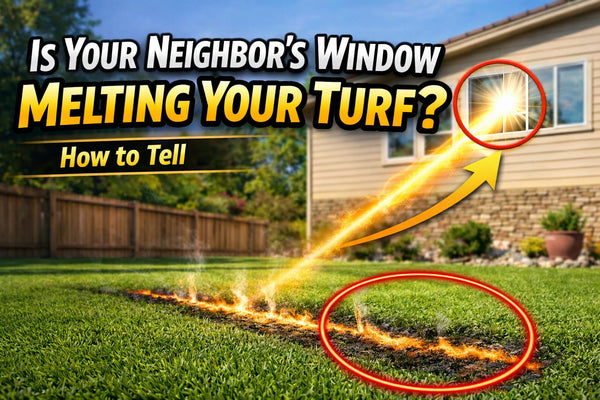
Another reason is when the insulated glass becomes concave. This change can result in a phenomenon called “the magnifying glass effect.” The reason it’s called “the magnifying glass effect” is that the glass windows work like a magnifying glass. It directs and concentrates the light onto your vinyl siding, causing the temperature to rise.

Unfortunately, this problem is tricky to eliminate. Window glass manufacturers made the units straight or close to parallel, if possible. But due to temperature and barometric pressure differences, the space between the window panes become negative.

Is There a Way to Stop Your Siding From Melting?

Honestly, there are no solutions that eliminate this damage completely. However, they could help reduce the risk of having your insulated vinyl siding melted. Below are the things that minimize the effects of heat reflections.

  • Evergreens – if the windows are above the ground level, they can block the sun’s rays from hitting the glazing. However, you need to wait for 10 to 20 years before they can protect your siding.
  • Turf Guard Window Film – it provides a permanent and immediate solution for your siding. It has anti-glare properties, which reduce reflections and heat.

If you want to get the best vinyl siding protection, visit our website and try our vinyl siding melting solutions.
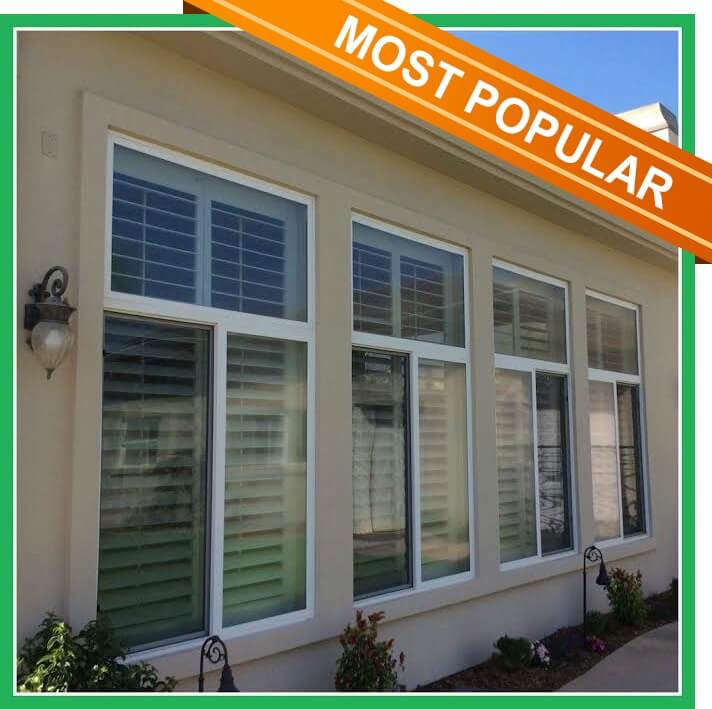
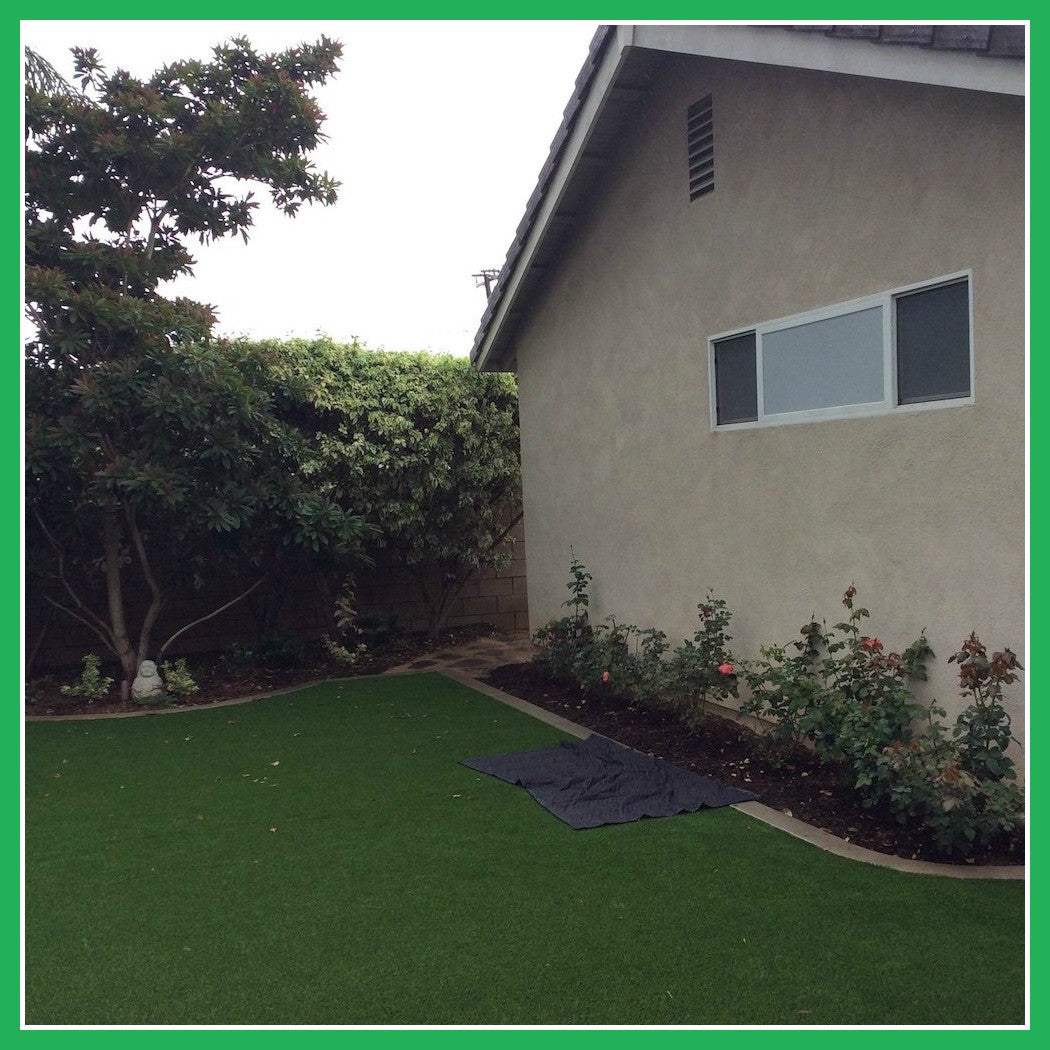
Protect Your Artificial Turf, Natural Grass and Vinyl Siding from Reflection Damage

Turf Guard Window Film is an Affordable Do-It-Yourself Window Film Solution

Related Posts

Synthetic Grass Pros and Cons: What Homeowners Should Know Before Installing
Synthetic grass has become a popular alternative to natural lawns, especially in hot, dry climates where water conservation and low maintenance are...
Read More
How to Prevent Artificial Grass Fading in Arizona’s Intense Sun
Arizona sunshine is one of the biggest reasons homeowners choose artificial grass. No mowing, no watering, and a green lawn year-round sounds perfe...
Read More
How to Maintain Artificial Grass (Plus the Hidden Care Tip Most Homeowners Miss)
Artificial grass is popular because it looks great year-round with far less upkeep than natural grass. But “low maintenance” doesn’t mean “no maint...
Read More
What Is Turf Guard Window Film and How Does It Prevent Turf Melting?
If your artificial turf is melting, shrinking, or discoloring, especially in straight lines or concentrated hot spots, the turf itself is rarely th...
Read More
How Scottsdale’s Heat and Water Restrictions Drive Artificial Turf Demand
Artificial turf has become increasingly common across Scottsdale, and it’s not just a design trend. The combination of extreme heat, limited rainfa...
Read More
Why Artificial Turf Melts in Scottsdale: How Windows and Sun Reflection Cause Turf Damage
Artificial turf has become a popular landscaping solution in Scottsdale due to extreme heat, limited rainfall, and water conservation priorities. B...
Read More
Why Homeowners in Scottsdale Choose Artificial Turf Over Natural Grass
Scottsdale homeowners face a unique combination of extreme heat, limited water resources, and high landscape maintenance costs. Because of this, mo...
Read More
The Pros and Cons of Artificial Grass in Scottsdale’s Desert Climate
Artificial grass has become extremely popular in Scottsdale, especially in neighborhoods dealing with extreme heat, ongoing drought, and water-use ...
Read More

Leave a comment

Please note, comments must be approved before they are published