If you’re dealing with artificial turf melting, burned stripes, or a concentrated hot spot created by Low-E windows, you’ve probably come across two of the most recommended fixes: Turf-Guard Window Film and solar screens. Both solutions stop window glare from creating a laser-like heat beam, but they work differently, look different, and have different long-term pros and cons. This guide breaks down how each product works, how they compare in appearance, maintenance, warranty concerns, and which one is the better choice for your specific situation.

What causes the hot spot, and why these two solutions work:
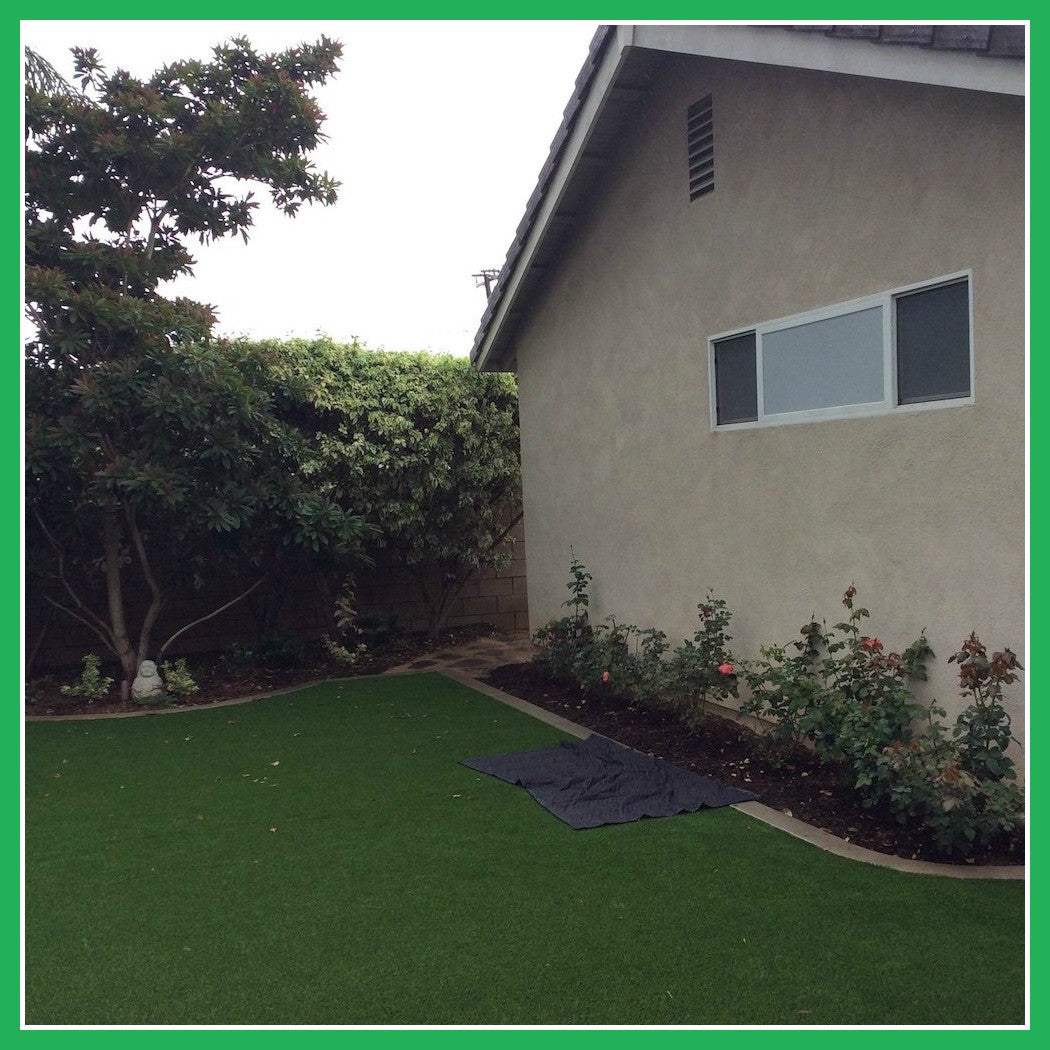
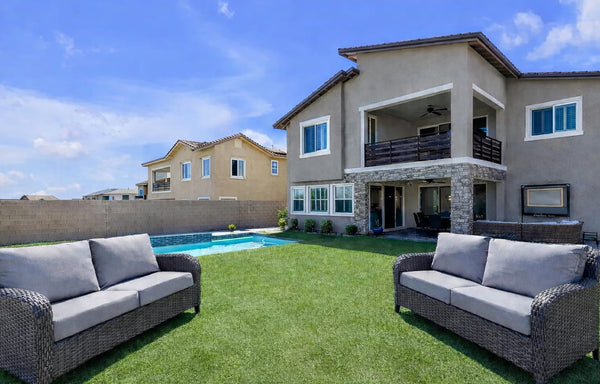
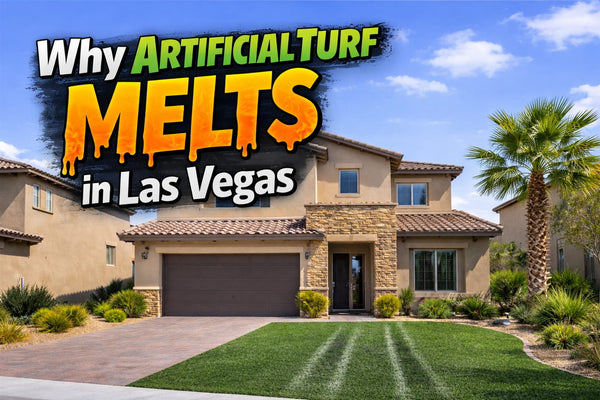
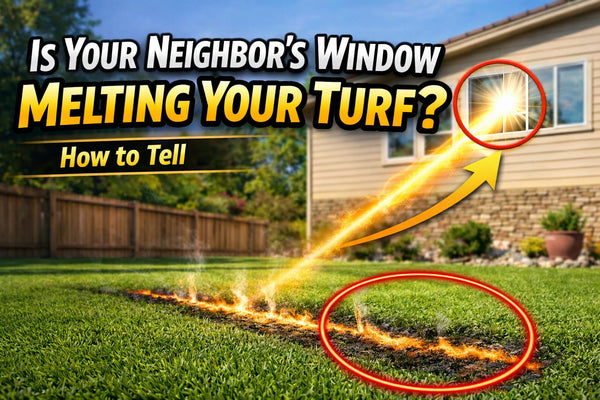
When sunlight hits Low-E windows, the coating can act like a magnifying glass. This creates a powerful reflection that lands on artificial turf, siding, cars, pool covers, or patio furniture and can cause temperatures to climb well above 200°F. That’s why turf fibers melt, blades shrink, siding warps, and car trim is damaged, and even real grass burns. The goal is to stop the reflection itself, right at the source, the glass.
Both Turf-Guard Window Film and solar screens prevent the magnified reflection from forming. The difference is how they do it.

How Turf-Guard Window Film works:
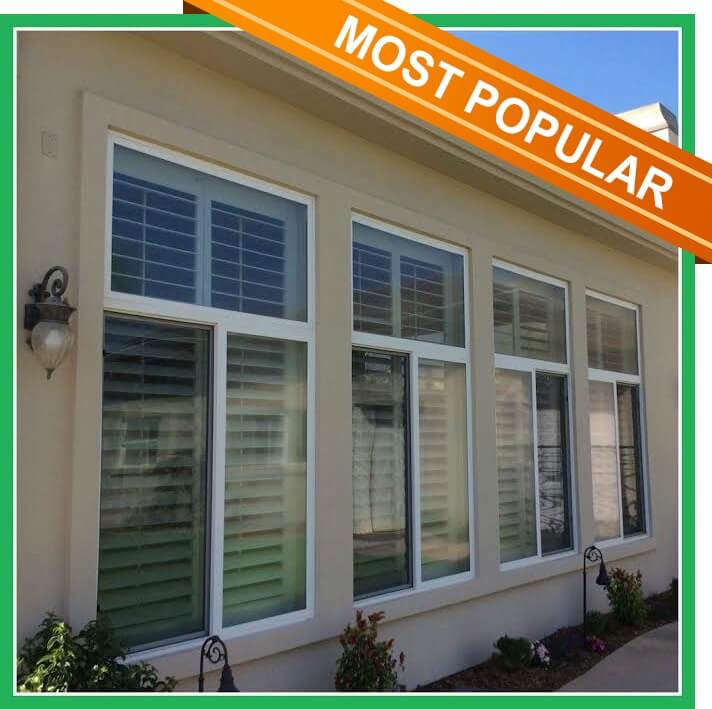
Turf-Guard Window Film is an exterior window film that looks similar to a screen when applied. The film diffuses the sunlight, breaking up the concentrated beam before it has a chance to hit the ground. It reduces reflectivity without darkening the inside of the home and is specifically designed for turf protection, vinyl siding, and pool covers.
Turf-Guard Window Film:
• HOA-friendly
• Maintains natural light indoors
• Blends into the window frame from a distance
• Designed specifically for turf burn and reflective hot-spot issues
• No drilling or permanent hardware
• Often easier and faster to install than screens
• Works on second-story and hard-to-reach windows
Cons of perforated film:
• Shorter lifespan than solar screens due to sun exposure

How solar screens work:
Solar screens are exterior screen frames made of dense mesh material. They block and absorb sunlight, significantly reducing the windows reflection which helps prevent turf burn.
Pros of solar screens:
• Very strong and long-lasting
• Blocks sun reflection from damaging turf
• Can be color-matched to the home’s trim
• Often allowed by HOAs on side or rear windows
Cons of solar screens:
• Can be difficult to install on certain high windows
• Requires hardware installation and sometimes drilling
• Some HOAs do not allow screens on front-facing windows
Which looks better: Turf-Guard Window Film or solar screens?
If your priority is appearance, perforated film usually wins. It has a subtle, clean look that blends into the glass. Many homeowners choose it because it “looks like a screen” without the bulk of a full frame. From inside the home, visibility remains clear.

Lifespan and maintenance comparison:
Turf-Guard Window Film:
• Requires occasional cleaning
• Easy to remove and replace
Solar screens:
• Low maintenance
• Mesh may fade slightly over time
Cost comparison
Perforated turf-safe window film:
• More affordable
• Lower labor cost
• Ideal for budget-friendly fixes, small windows, or targeted hot spots
Solar screens:
• Higher material and labor cost
• Offers long-term performance with fewer replacements
Which should you choose: turf-safe film or solar screens?
Choose Turf-Guard Window Film if:
• HOA rules are strict about screens or tint
• You want the most subtle and “invisible” fix
• The affected windows are high or hard to access
• Appearance is the top priority
• Budget conscious
Choose solar screens if:
• Your goal is long-term exterior durability
• Windows are low to the ground
Both options stop artificial turf melting, diagonal melt paths, warped siding, and melted car trim caused by window reflection. The right choice depends on how you balance appearance, durability, HOA restrictions, and budget.
Final answer: both work, but for different reasons
Turf-Guard Window Film is the better low-visibility, HOA-approved, and lower cost, solution. Solar screens are the longer-lasting option. Either one eliminates the magnifying-glass effect that causes turf burn and protects your yard from future damage.
Frequently Asked Questions