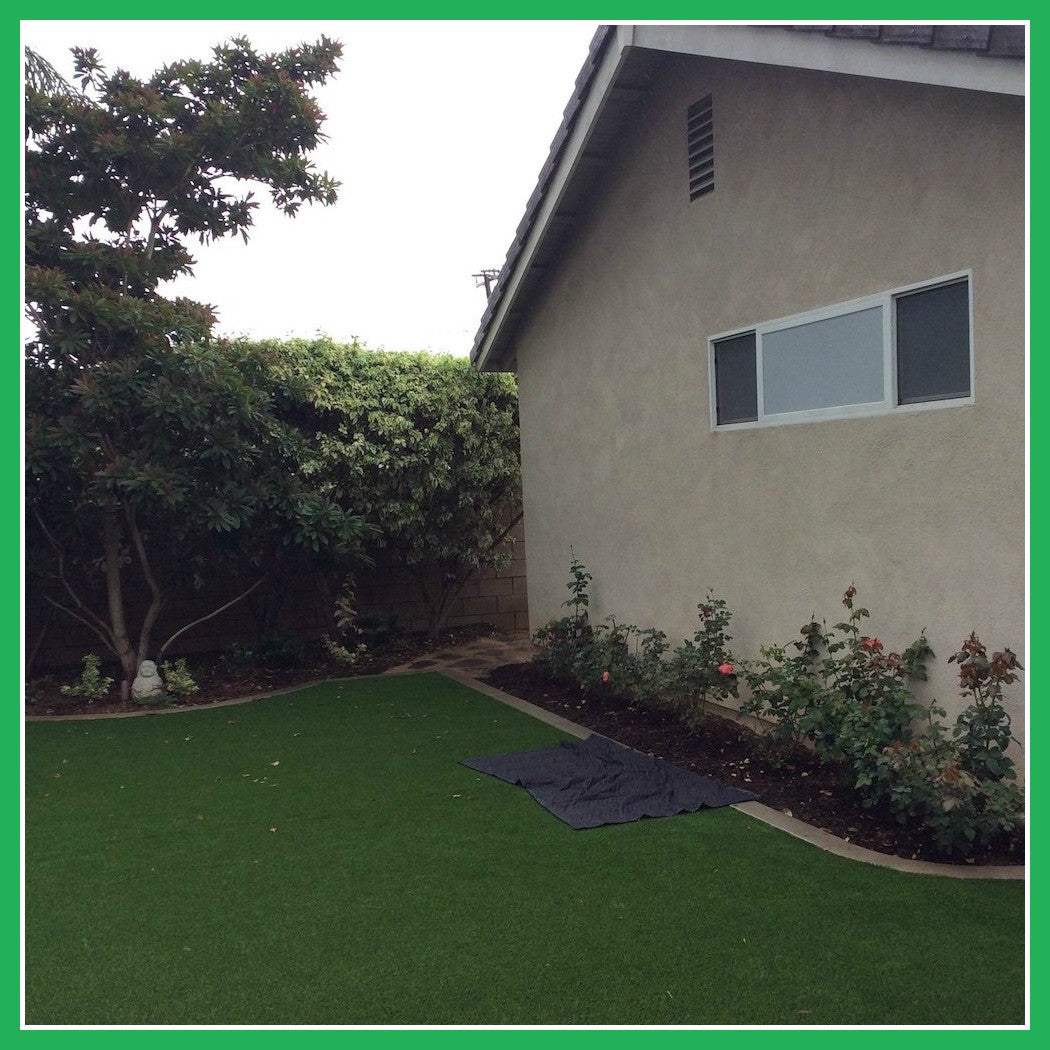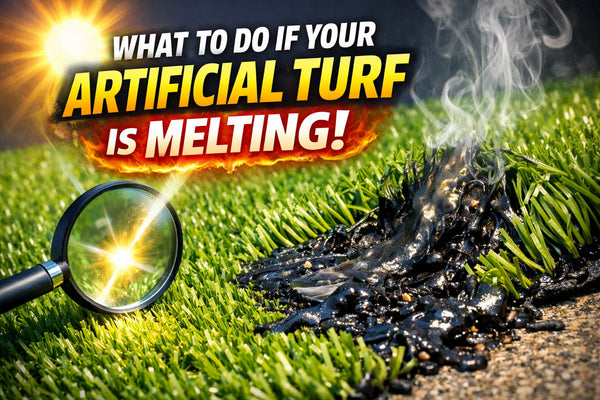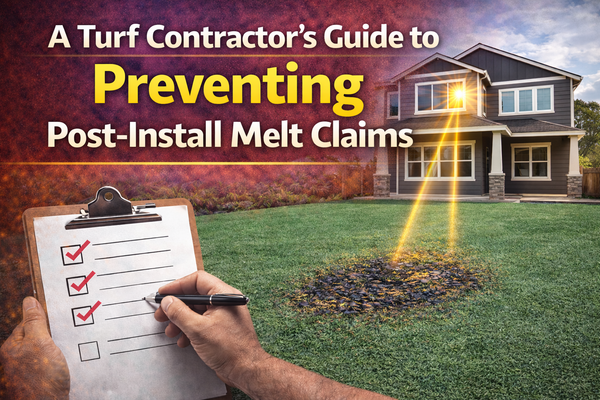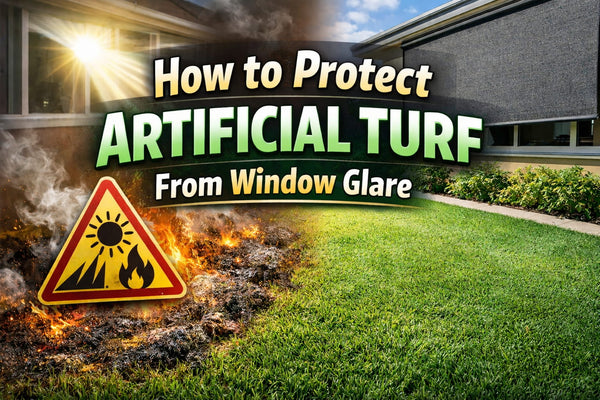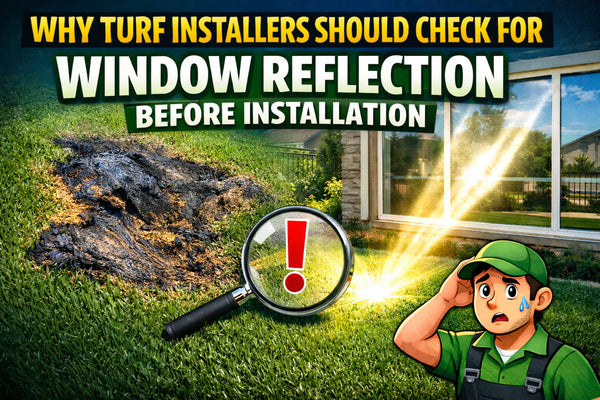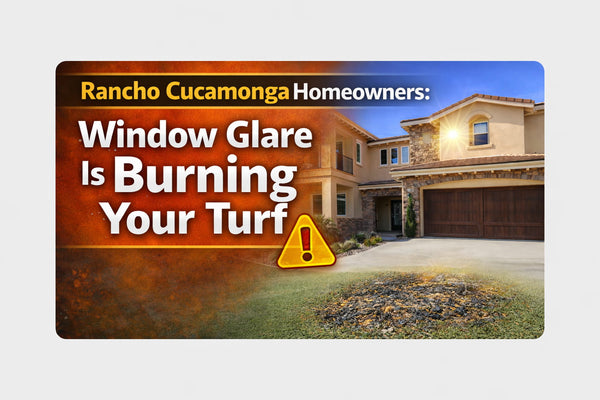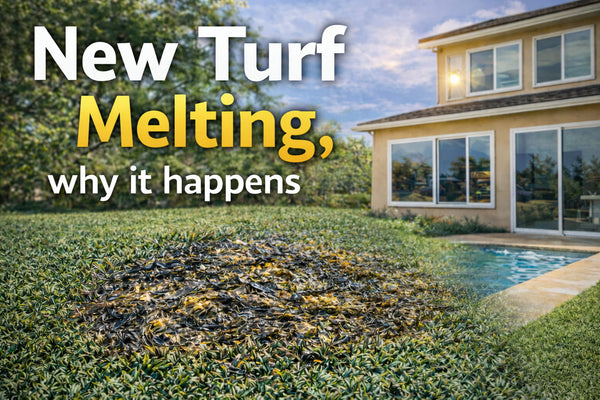
If your HOA doesn’t allow window tint, but your turf is melting from concentrated window glare, you’re stuck between two conflicting problems. Homeowners often see turf damage as melted divots, hot spots, shiny stripes, or “crop-circle” patches on their lawn. And while the damage is real, HOAs often ban anything that changes the exterior appearance of windows, including traditional tint.
The good news: you still have options. Many HOAs only restrict interior tint, dark films, or reflective coatings, not exterior solutions like Turf-Guard Window Film designed specifically to stop turf burn. Here are seven compliant workarounds that reduce or eliminate window reflection damage without violating HOA rules.

1. Read your CCRs carefully (many HOAs only ban certain types of film)
Before assuming everything is off-limits, read the exact wording in your HOA’s Covenants, Conditions & Restrictions. Common patterns:
• bans on interior tint, not exterior film
• bans on dark or mirrored appearance
• bans on reflective coatings
• allowances for screens that match the home
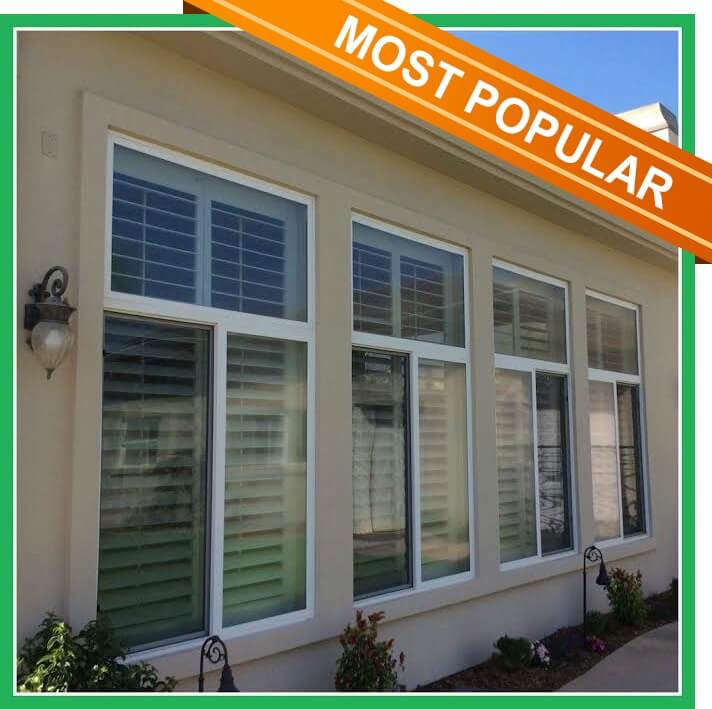
Exterior film like Turf-Guard often fall outside these restrictions because they don’t alter the look of the glass, darken the glass and don’t create a reflective surface
2. Use HOA-friendly Turf-Guard Window Film
Exterior film made specifically for turf protection typically has:
• a matte, non-shiny finish
• a screen-like appearance from the outside
• no reflective glare
• minimal visual change from the street
• diffuses glare instantly
• breaks up the magnifying-glass effect
• maintains interior visibility
Because it resembles a standard screen and doesn’t alter the window color, many HOAs approve it without issue.

3. Install removable or seasonal solar screens
Solar screens, most HOAs classify them as:
• window accessories
• removable shading devices
• similar to bug screens
They block glare, reduce heat, and eliminate the hot spot that melts turf. You can install them seasonally or leave them up year-round.
4. Submit an architectural request with clear documentation
If your HOA requires approval, make it easy for them to say yes. Provide:
• photos of turf damage (melted blades, hot spots, divots)
• the temperature readings (often 180–230°F)
• manufacturer information showing the film is non-reflective
• assurance that it does not change the appearance of windows
Architectural committees often approve exterior film when they understand it prevents property damage and is visually neutral.
5. Use shade-based strategies when film is truly banned
If your HOA still won’t allow any film or screen, you can reduce glare by blocking the sunlight before it hits the window. Options include:
• small awnings
• Bahama shutters
• pergola extensions
• shade sails
• strategic landscaping
Even a single tree or tall planter can adjust the sun angle enough to stop the hot spot.
6. Work with neighbors if their window is the source
Many turf burns come from a neighbor’s second-story Low-E window, not your own. A friendly conversation usually goes farther than a complaint. You can say:
“Hey, we’ve been getting melted spots in our turf and tracked it back to your upstairs window. It’s a common issue with energy-efficient windows. There are HOA-approved screens and exterior films that don’t change the look of the home, would you be open to a solution that protects both of our properties?”
Offer to share the cost or provide the product, it’s far cheaper than replacing turf every season.
Temporary measures while waiting for HOA approval
If your turf is melting now, use short-term fixes until your HOA signs off on a permanent solution:
• move furniture or planters to block the beam
• set up a temporary shade sail
• use a patio umbrella as a movable barrier
• cover the turf with a towel or sheet during peak hours
These won’t stop the reflection, but they will protect the turf.

Why HOAs ban window tint but allow turf-safe solutions
HOAs want visual uniformity. Their primary concerns are:
• windows appearing darker than neighboring homes
• reflective tint creating a mirrored look
• street-visible changes
But Turf-Guard Window Film doesn't change the color of the glass. It simply breaks up glare, so many HOAs view them the same way they view bug screens or solar screens.
Final takeaway: “No window tint” doesn’t mean “no solutions.”
Most HOAs restrict interior tint or mirrored coatings, not turf-safe exterior film and screens designed to stop concentrated sunlight. Whether you choose exterior Turf-Guard Window Film, solar screens, or shade-based solutions, you can eliminate turf melt without violating HOA rules.
FAQs
Does an HOA ban apply to exterior turf-safe film?
Usually not. Most CCRs only restrict interior tint or reflective coatings. Exterior turf protection film often falls under the same category as screens.
What if my HOA still refuses film?
Use solar screens, shade solutions, or architectural approval requests. Landscaping and removable screens are commonly approved alternatives.
Can I stop turf burning without changing the look of my windows?
Yes. Turf-Guard Window Film looks like a standard screen and is nearly invisible from the street.
What if the neighbor’s window is causing my turf to melt?
Approach them politely and offer HOA-approved solutions like screens or Turf-Guard window film. Most neighbors cooperate when they see the damage.
Will my HOA approve solar screens?
Many already allow them. Solar screens are often categorized as removable accessory screens.