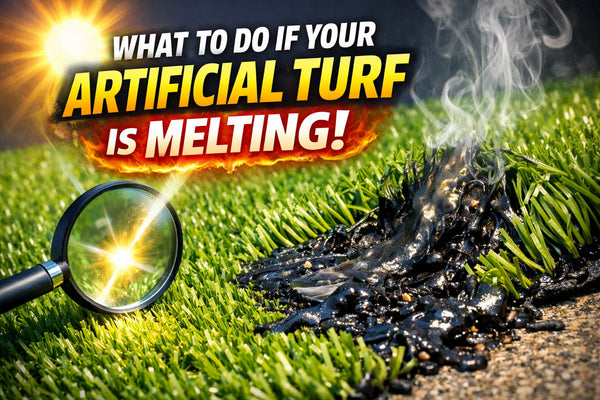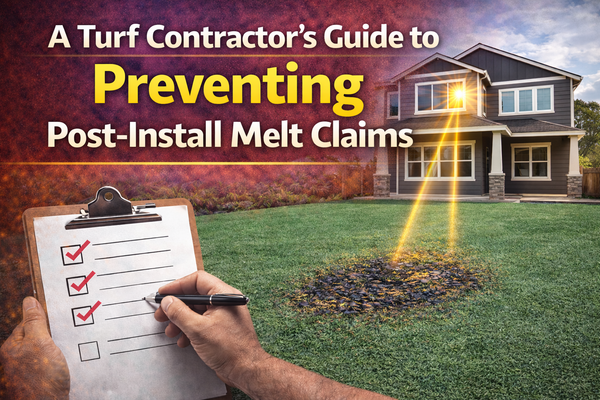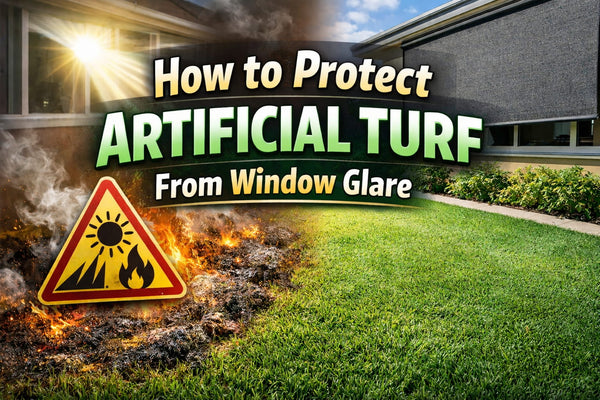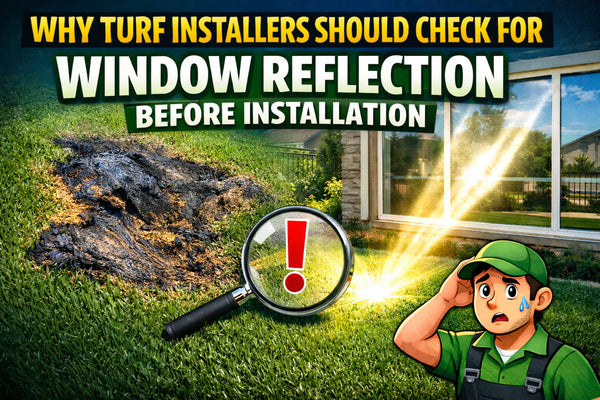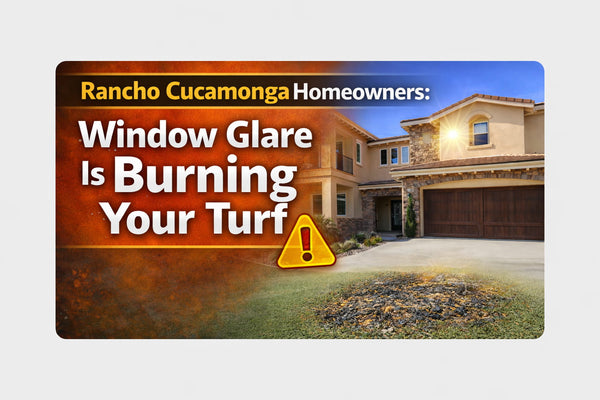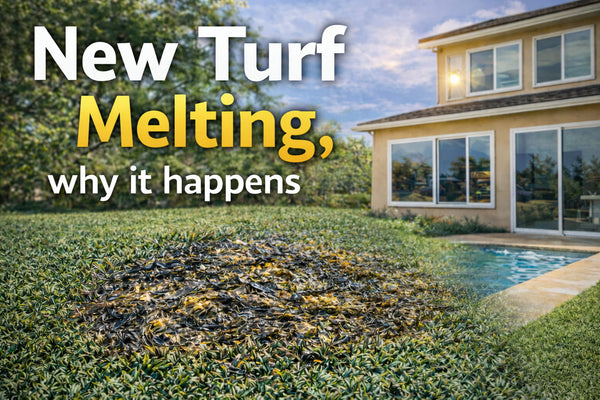
If you’ve noticed burned spots on your artificial turf, the culprit may be your neighbor’s Low-E windows. Low-E glass is designed to reflect heat away from the home, but under the right sun angle it can act like a magnifying glass, concentrating sunlight into a tight beam that lands directly in your yard. Homeowners often describe this reflection as a “death ray,” a shimmering glare, or a flash of light that hits the same patch of turf every afternoon around 1–3 pm. These focused hot spots can soar past 200°F, easily hot enough to melt artificial turf fibers, warp plastic, damage vinyl siding, and even damage parked car.

This guide explains what to do next, how to document the problem, what to say to your neighbor, what insurance will (and won’t) cover, and the simplest fixes that actually stop the window reflection from damaging your yard.
What causes your neighbor’s Low-E windows to melt your artificial turf?
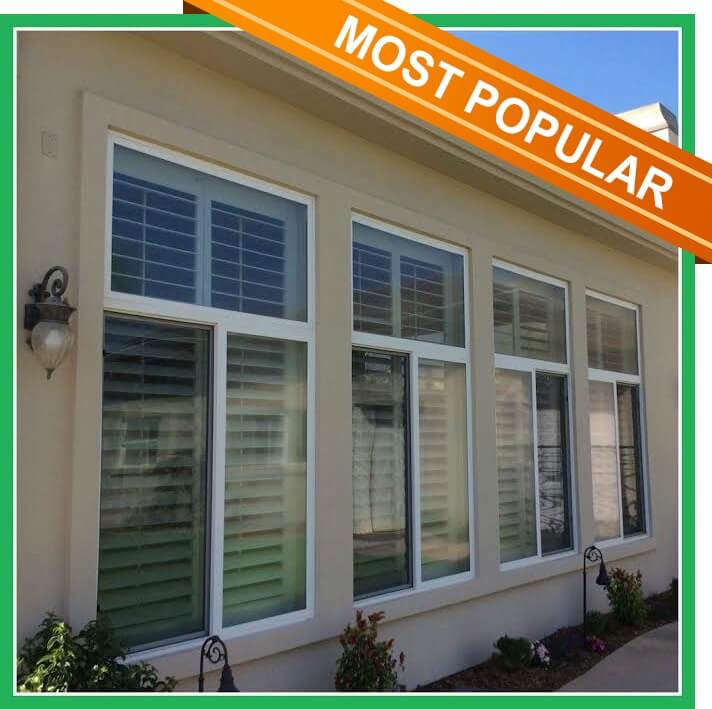
Low-E windows are energy-efficient, but the coating on the glass can act like a magnifying glass. When the sun hits at the right angle, especially on second-story, bay, or south-facing windows, the reflection concentrates into a single beam. Homeowners usually see melted divots, crop-circle-shaped rings, discolored patches, and shrunken turf fibers directly in the hot spot. Others notice melted car mirrors, warped patio furniture, or diagonal melt paths across the lawn.

Why you should document the damage immediately before talking to a neighbor or HOA:
-
Take photos of the melted turf from multiple angles.
-
Stand in the hot spot and take a photo pointing toward the window producing the glare.
-
Film a short video showing the shimmer or flash of reflected sunlight.
-
Use an infrared thermometer if you have one. Many readings show 180–240°F.
-
Document the time of day the damage occurs (ex: “2:10 pm daily”).
These photos help when approaching a neighbor, reporting to an HOA, or filing an insurance claim.

Talk to your neighbor early (with calm, friendly wording)
Most neighbors have no idea their windows can melt surrounding materials. A friendly conversation works far better than a complaint or threat. Here’s a simple, non-confrontational way to bring it up:
"Hi, I wanted to show you something unusual happening in my yard. I’ve been getting melted spots in my turf, and after documenting the time and angle, I realized the hot spot lines up with the reflection from your top Low-E window in the afternoon. I learned this is a common issue with Low-E glass, and the good news is there are simple fixes, like exterior film or a screen that stop the reflection without changing the look of your home. Would you be open to chatting about a solution that protects both of our properties?”
Most neighbors are reasonable when approached with solutions instead of blame.
Solutions to propose (so the neighbor doesn’t feel accused)
The most effective way to stop the damage is treating the reflective window itself. Share solution options that are inexpensive and don’t change your neighbor’s privacy or home aesthetic.
-
Turf-Guard Window Film
This reduces reflectivity and stops the magnifying-glass effect without changing the appearance of the glass. It’s designed specifically for turf burn, warped siding, and melted outdoor materials. HOAs usually approve it because it looks like a standard screen from the outside. -
Solar screens.
Extremely effective, though some HOAs don’t allow them on front-facing windows. -
Shade sails or awnings.
Temporary, but can help until a permanent fix is installed. -
Planting shrubs or installing a privacy panel.
This works only if the hot spot is low to the ground.
What if your HOA won’t allow window tint?
This is one of the top pain points homeowners report: “My HOA says no tint.” Fortunately, most HOAs ban interior tint but allow exterior solutions like:
-
Solar screens
-
Removable screen frames
-
Shutters or Bahama awnings
If your HOA still refuses, provide photos of the damage. Many boards approve exceptions once they see melted turf patches or warped siding.
Who pays for the damage when a neighbor’s window melts your turf?
There is no universal rule, but here’s how it typically breaks down:
-
Homeowners insurance often does not cover melted turf.
Policies commonly exclude damage caused by “thermal events” or reflective heat. -
Neighbor’s liability insurance may cover it, but only sometimes.
If the neighbor knew the windows were causing damage and refused to address it, their liability coverage might apply. -
Most neighbors choose to contribute or split the cost of a fix.
Because the solutions are affordable, many neighbors voluntarily pay for turf protecting solutions like Turf-Guard Window Film, or screens once they understand the issue. -
HOAs occasionally step in for shared walls or zero-lot-line homes.
HOAs sometimes mediate cost-sharing when the properties are very close together.
When to involve insurance:
Insurance should be a last step, but here’s when to consider it:
-
The neighbor refuses to acknowledge the issue.
-
The damage extends beyond artificial turf (vinyl siding, car paint, pool covers).
-
The problem repeats after turf has been replaced.
-
There is a clear safety risk (temperatures hot enough to ignite dry brush).
Even when insurance won’t cover the turf replacement, adjusters can help document the cause which is useful when dealing with an HOA or neighbor.
Best long-term fix for neighbor-related turf melt:
The only permanent solution is reducing the reflection at the source: the window.
Exterior Turf-Guard Window Film or solar shades stops the laser-like hot spot, protects all surrounding surfaces, and avoids warranty issues that come with interior tint.
Ready-to-use note you can give your neighbor
Here’s a simple scripted message you can print or text:
“Hi! I wanted to reach out because I’ve noticed melted spots in my turf and some heat damage that lines up with the reflection from your Low-E window in the afternoon. This is a common issue with energy-efficient glass, and the temperatures can exceed 200°F. There are easy fixes like exterior turf-protection window film that stop the hot spot without changing the look of your home. I wanted to share this so we can prevent future damage on both sides. If you’d like, I can send more info or we can look at solutions together.”
This wording keeps the conversation neutral and solution-focused.
Conclusion: Treat the window, not the artificial turf.
If your neighbor’s Low-E windows are burning your turf or siding, the quickest path to a solution is:
-
Document the damage.
-
Talk to the neighbor with friendly, factual wording.
-
Offer real fixes.
-
Loop in the HOA only if needed.
-
Use insurance as a last step for major or repeated damage.