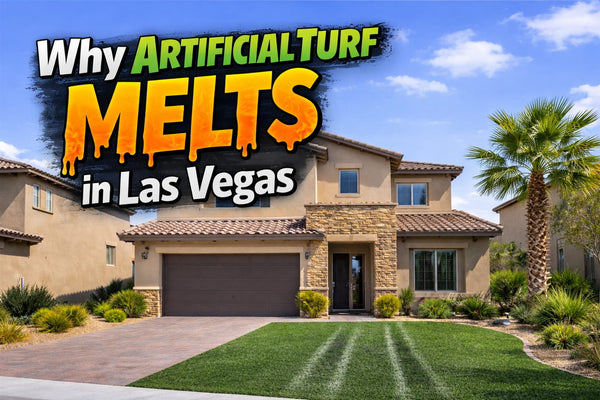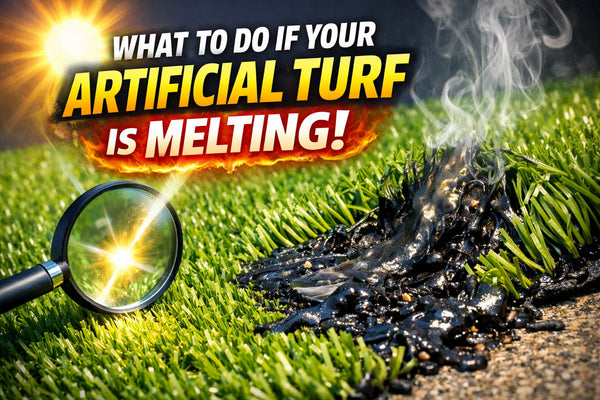
Artificial grass is a big investment, low maintenance and beautiful year-round. But as more homeowners switch to synthetic turf, many don’t learn one important fact until it’s too late: artificial grass can melt from concentrated sunlight, especially from Low-E windows.
The good news is that you can prevent turf melting entirely with a few smart steps before installation or right after your new lawn goes in. Here are the top tips to protect artificial grass and make sure it looks great for years to come.

1. Check for Window Reflection Before Installing Turf
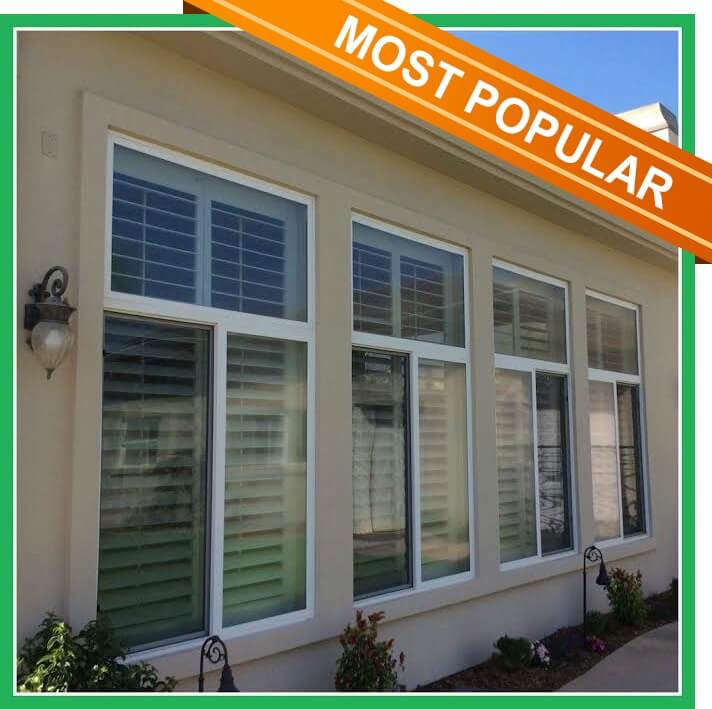
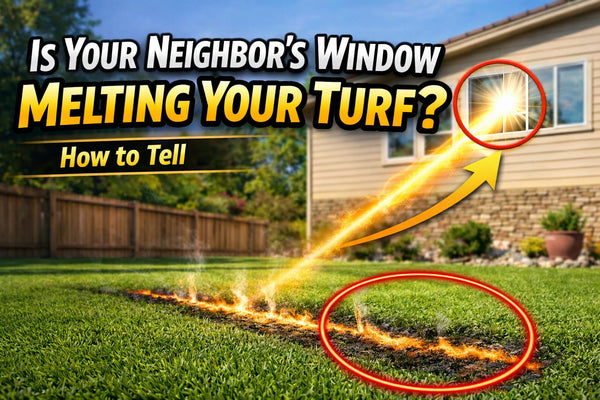
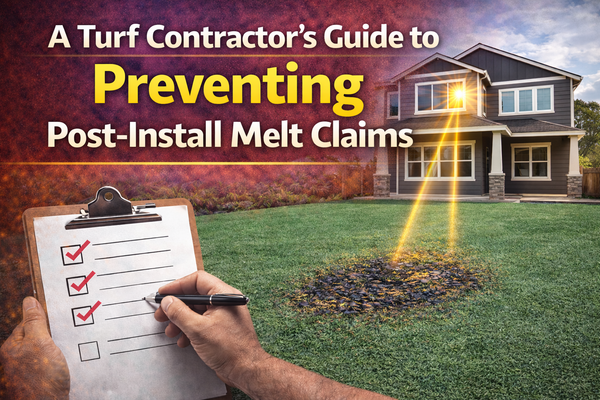
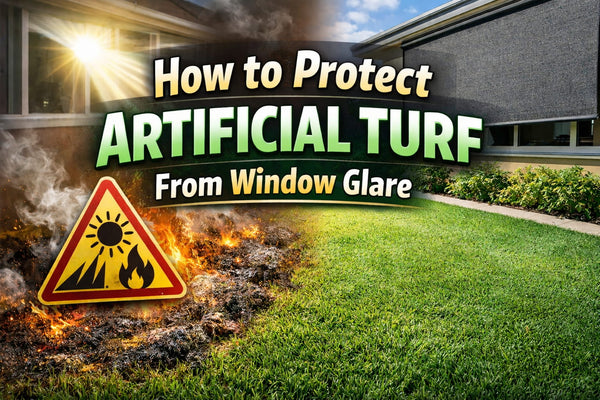
The most common cause of turf damage is sun glare reflecting off windows, especially energy-efficient Low-E glass. These windows can act like a magnifying glass and create a hot spot that reaches well above 200°F, hot enough to melt turf, warp siding, or discolor outdoor furniture.
Before installation, do a sun reflection check:
• Walk the yard between 9:30 AM and 3 PM
• Look for bright flashes, moving reflections, or intense glare
• Pay close attention to second-story windows, homeowners often miss these
• Check neighboring windows too; their reflection can melt your turf
If you see a “hot spot” or diagonal streak of glare on your soil or hardscape, your turf installer needs to flag it before laying grass.

2. Confirm Your Turf’s Melting Point (Yes—They’re Different)
Not all turf is created equal. Some synthetic grass types have a higher melting point than others. While no turf can survive a concentrated Low-E reflection, choosing a higher-quality turf can still give you better heat protection.
Generally:
• Nylon → highest melting point
• Polyethylene → moderate
• Polypropylene → lowest
When talking with your installer, ask:
• “What is the melting point of this turf?”
• “Is there a higher-temperature option available?”
• “Do you recommend any special precautions for my home’s sun exposure?”
This simple conversation can prevent surprises later.
3. Protect Turf From Window Glare on Day One With Exterior Film
If you want long-term protection, install Turf-Guard window film before your turf is installed, or immediately after.
Why exterior Turf-Guard film works:
• It diffuses the sun’s reflection at the glass
• It prevents hot spots from forming
• It keeps your outdoor surfaces (turf, vinyl siding, furniture, pool covers) safe
• It is HOA-friendly because it doesn’t tint or darken the window
Interior film does not stop turf burn; only exterior film prevents the reflection that melts turf.

4. Consider Solar Screens If Allowed by Your HOA
Solar screens are another effective preventative option for homeowners still planning their landscaping.
Screens help by:
• Blocking glare before it reaches the turf
Many HOAs allow screens, but if yours doesn’t, exterior film is the best alternative because it maintains the natural window appearance.
5. Be Mindful of Where You Place Heat Sources
If your yard design includes outdoor heating, be strategic to avoid damaging your turf.
Keep these items off the grass:
• Solo Stoves
• Charcoal or gas grills
• Fire pits
• Patio heaters
• Smokers
• Heat lamps
Place them on:
• Concrete
• Pavers
• Stone pads
• Heat-resistant mats
This simple step prevents accidental melting.
6. Install Shade in High-Heat Areas
While shade doesn’t fix window glare, it can reduce the overall temperature of your turf, especially in the first few months as you monitor how your yard interacts with the sun.
Helpful shade options:
• Shade sails
• Awnings
• Pergolas
• Umbrellas
• Bahama shutters
Shade is especially useful for new turf installations where you want to observe sun patterns before committing to long-term protection measures.
7. Inspect Your Yard During the First Week After Installation
Once the turf is installed, do a post-installation sun scan:
• Look for bright glints or flashes on the turf
• Watch for a moving reflection that shifts throughout the day
• Check hot weather days for isolated warm spots
• Monitor south-facing, east-facing, and west-facing windows closely
This early observation helps you catch potential glare problems before any melting occurs.
If you see reflection on the turf, even if no damage is visible yet, take action immediately. Hot spots can form suddenly as seasons change.
8. Talk to Your Installer About Turf Melt Prevention
A good turf installer should be familiar with window reflection issues. Before installation, ask:
• “Have you checked my windows for glare?”
• “Do you recommend window film for this project?”
• “Are any areas at higher risk during summer or winter sun angles?”
• “Should we reinforce certain zones with higher-heat turf?”
Installers often appreciate when homeowners bring this up, it helps prevent callbacks and protects their work.
9. Take HOA and Neighborhood Layout Into Account
Your turf may be at risk if:
• Your HOA requires Low-E windows
• Neighboring homes have large reflective windows
• Your home sits lower than those around you
• Your community uses reflective stucco or glass fencing
In these situations, exterior window film is the most reliable, HOA-friendly solution because it doesn’t change the window’s look.
10. Plan for Seasonal Sun Angle Changes
A turf-safe home in winter may not stay that way in summer.
Sun angles shift dramatically from season to season, meaning:
• A window that’s harmless in April can melt turf in August
• Second-story reflections change as the sun rises higher
• Trees and fences may cast different shadows through the year
Preventative measures are most effective when installed before seasonal sun increases.
Exterior Turf-Guard window film removes this guesswork because it prevents the magnifying-glass effect in all seasons.
The Best Long-Term Way to Protect Your New Artificial Grass
If you want to prevent melting, discoloration, and hot spots before they start, the most effective solution is:
Exterior Turf-Guard window film designed specifically for turf protection.
It eliminates the reflection that causes melting and protects your turf, siding, cars, pool covers, and outdoor furniture.
Explore turf-safe window film: Turf protection window film
FAQs: Protecting Artificial Grass Before Damage Happens
How do I prevent my artificial grass from melting?
The most reliable way is to install exterior Turf-Guard window film on any windows that produce glare. Solar screens, shade structures, and strategic heat-source placement also help.
Should I check for glare before installing turf?
Yes. This is one of the most important steps. Window glare is the top cause of turf melting, especially from Low-E windows.
Do solar screens protect turf?
Yes, they can significantly reduce glare. If HOA rules prevent screens, exterior Turf-Guard window film is the best alternative.
Is interior window tint enough to protect turf?
No. Interior tint does not change how the exterior glass reflects sunlight and will not stop turf burn.
Can my neighbor’s window melt my turf?
Yes, and it’s more common than most homeowners realize.