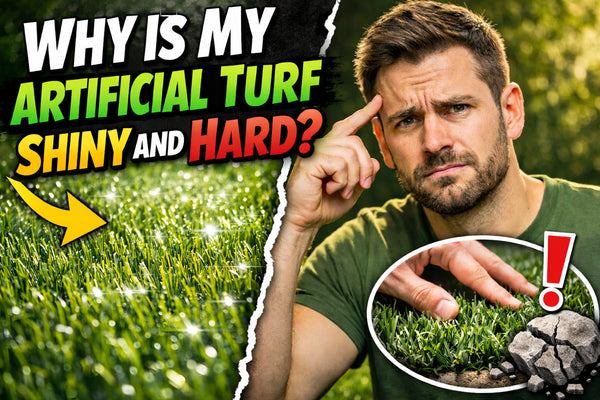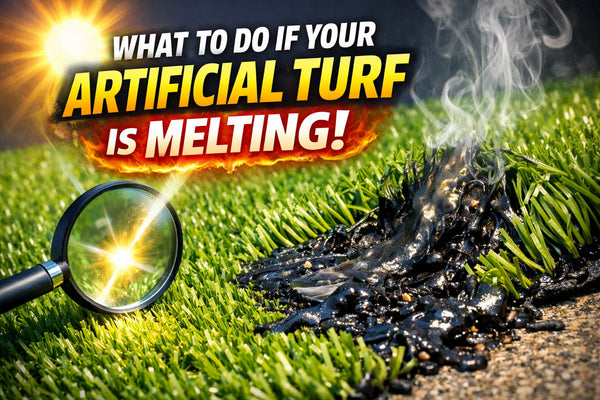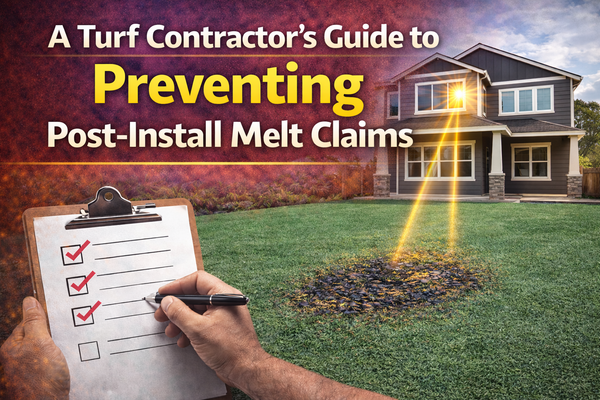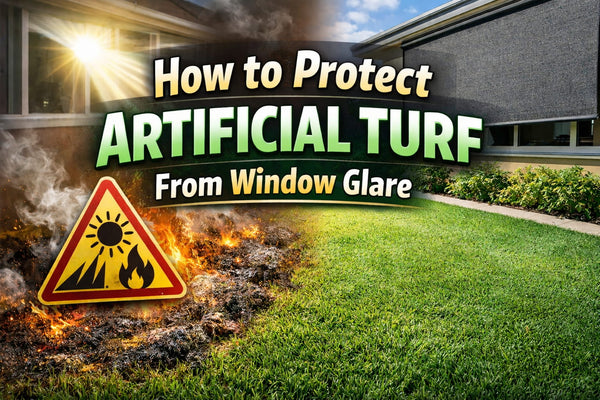
You installed artificial turf expecting a long-lasting, low-maintenance lawn. Then you notice something unexpected: shiny patches, warped blades, or sections of grass that look melted.
Your first thought might be:
“Will my HOA cover this?”
The answer depends on several factors, and in most cases, the damage is not automatically covered.
Let’s break down how HOAs typically handle artificial turf melt damage, what causes it, and what homeowners need to know before filing a claim.
What Causes Artificial Turf to Melt?
Before discussing coverage, it’s important to understand the cause.
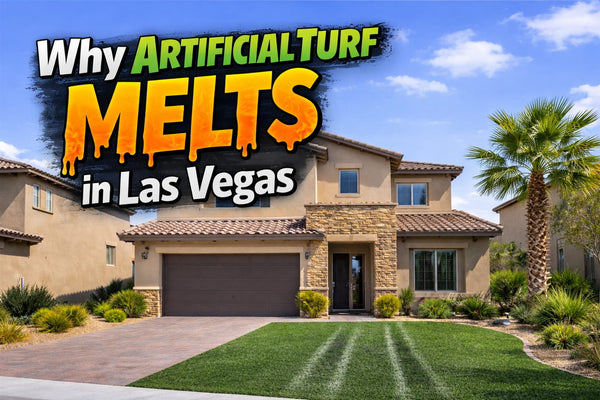
Artificial turf does not melt from normal sunshine alone. High-quality turf is designed to handle extreme outdoor heat.
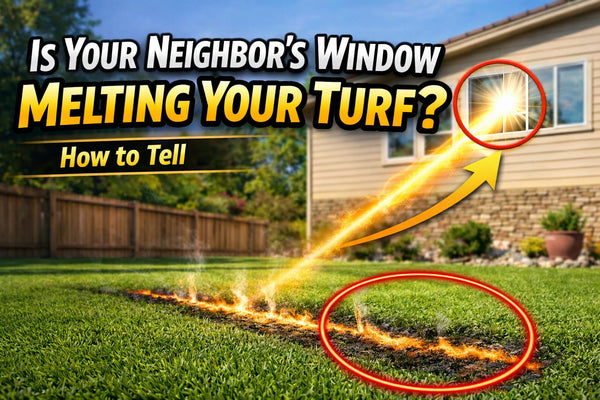
Most melting is caused by concentrated reflected sunlight, often from:
-
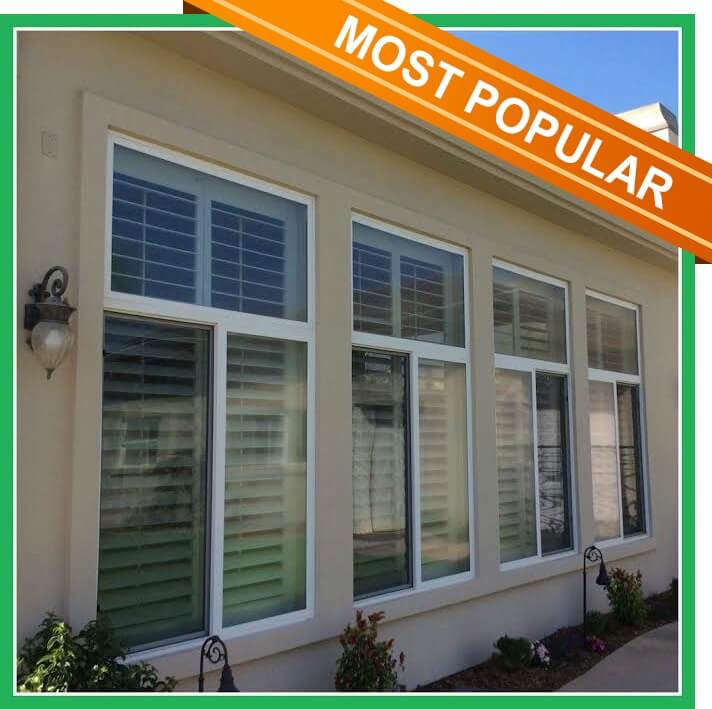
Low-E (energy-efficient) windows
-
Sliding glass doors
-
Second-story windows
-
Pool glass fencing
-
Reflective metal or siding
When sunlight reflects and concentrates into a narrow beam, surface temperatures can exceed 200–250°F, which is hot enough to deform synthetic turf fibers.
This type of damage is commonly called:
-
Solar reflection damage
-
Thermal distortion
-
Reflection-related turf melt
Does an HOA Typically Cover Turf Melt Damage?
In most communities, the answer is: No, not automatically.
Here’s why.
1. HOAs Usually Cover Common Areas
HOAs generally insure and maintain:
-
Shared landscaping
-
Exterior building structures (in condos or townhomes)
-
Community amenities
If the artificial turf is in your private backyard, it is typically considered homeowner responsibility.
2. Turf Melting Is Often Considered “Maintenance” or “Environmental Damage”
Most HOA governing documents classify turf melt as:
-
Home maintenance
-
Environmental exposure
-
A result of surrounding structures
It is rarely categorized as a structural defect or covered event.
3. Turf Warranties Often Exclude Reflection Damage
Even if the turf was newly installed, many manufacturer warranties exclude:
-
Thermal distortion
-
Reflection damage
-
Heat-related melting
This means neither the HOA nor the turf manufacturer may assume responsibility.
When Might an HOA Be Involved?
There are limited situations where an HOA could become part of the discussion:
If the Reflection Comes from a Neighbor’s Window
In attached housing communities, reflection from a neighboring unit’s windows could contribute to turf damage.
In this case, the HOA may:
-
Review architectural guidelines
-
Assess window modifications
-
Determine responsibility
However, most HOAs treat window reflection as a byproduct of approved construction, not negligence.
If Glass or Structures Are HOA-Controlled
In some condo or townhome communities, exterior glass, siding, or fencing may be HOA-maintained. If the reflective surface is part of the HOA’s responsibility, there may be grounds for discussion. But coverage is still not guaranteed.
Should You File a Claim?
Before contacting your HOA, consider:
-
Is the turf in a private-use yard?
-
Is the reflection coming from your own home’s windows?
-
Is this considered a maintenance issue under your CC&Rs?
It’s helpful to:
-
Review your HOA governing documents
-
Document the damage with photos
-
Identify the reflective source
Understanding the cause strengthens any conversation.
Why Replacing Turf Alone Won’t Solve the Problem
If reflection caused the melting, replacing the turf without addressing the source will likely result in repeat damage.
Many homeowners replace melted turf only to see the same pattern return weeks or months later. That’s because the root issue, concentrated reflected heat, remains unchanged.
The Long-Term Solution
If window reflection is the cause, the most effective way to stop the damage is to treat the glass, not the turf.
Because the melting happens when reflected sunlight leaves the window and concentrates onto the lawn, the only permanent fix is to interrupt that reflection before it reaches the ground.
There are a few approaches homeowners consider, including exterior shading, solar screens, and window film. If the reflection is coming directly off the glass surface, one of the most reliable solutions is applying Turf Guard window film, designed specifically to reduce solar reflection and protect artificial turf.
This specialized film works by diffusing and softening reflected sunlight before it can concentrate into a damaging heat beam. Instead of one intense hot spot, the light is scattered into a broader, lower-intensity pattern that no longer generates temperatures high enough to deform synthetic turf.
This prevents:
-
Concentrated heat zones
-
Repeated melt patterns
-
Ongoing turf replacement
Learn more about Turf Guard window film here: 👉 What Is Turf Guard Window Film?
By addressing the reflection at its source, homeowners can prevent repeat damage and protect their landscaping investment long term.
What You Should Do Next
If you’re dealing with turf melting and wondering about HOA coverage:
-
Confirm the source of reflection
-
Review your HOA documents
-
Determine whether the glass is homeowner- or HOA-controlled
-
Address the reflection before replacing turf
Final Answer: Will My HOA Cover Artificial Turf Melt Damage?
In most cases, no, artificial turf melting is considered a homeowner maintenance issue, not an HOA-covered event.
Because the damage is typically caused by reflected sunlight rather than a structural failure, responsibility often falls on the property owner.
The key is solving the reflection first. Once the source of concentrated heat is controlled, artificial turf performs as intended, durable, stable, and long-lasting.