🛑 STOP Your ARTIFICIAL TURF from MELTING 🔥 Do-It-Yourself Window Film Solution 😎

How to Prevent Reaching Vinyl Siding Melting Point with Less Effort

The vinyl siding melting point is one of the main features of vinyl siding. It tells homeowners how much heat it can handle. When it reaches the temperature limit, it may cause your cladding to distort or melt.

Fortunately, you can extend the lifespan of your vinyl siding. You just need to learn how to stop window reflection from melting your cladding. Before we discuss those tips, let’s find out what triggers this problem.

Low-E Windows: The Root Cause of Heat-Related Siding Issues

Most homes today have Low-E windows because of their energy-efficiency features. These windows use a thin, metallic layer that prevents radiative heat flow. In other words, it blocks the heat from entering the house. However, this function may trigger the vinyl siding melting point.

According to the Vinyl Siding Institute (VSI), the melting point of vinyl siding ranges between 160 and 165 degrees Fahrenheit. However, the reflective heat temperature from Low-E windows can reach up to 200 degrees. Therefore, if the reflected sunlight hits your vinyl siding, it can cause thermal distortion.

However, according to the National Association of House Builders (NAHB), this only happens when the Low-E coating becomes slightly deformed due to changes in barometric pressure.

Ways to Stop Window Reflection from Melting Your Siding

How to Prevent Reaching Vinyl Siding Melting Point with Less Effort

There are several ways to avoid reaching the vinyl siding melting point. Unfortunately, some of the solutions take too much time before you can protect your siding from melting. Still, other tactics will not take a day to set up.  If you are looking for a simple solution, you need to do the following tips:

1. Repaint Your Wall

One way to avoid having melting vinyl is by repainting your wall. Studies show that darker shades absorb more heat than lighter colors. So, if your cladding has a dark color, you may need to repaint your wall with a lighter paint.

However, this method can be time-consuming if you do it yourself. To make things easier, you can ask your loved ones to repaint the walls with you. It can be a great way to bond with your family, especially if your loved ones like this kind of activity.

2. Use a Perforated Window Screen

This is not a typical window film as it is specifically designed to prevent vinyl distortion. It has anti-reflective properties that refract the light off. It also distributes heat evenly.

However, you can only get these features if you choose the Siding Guard Window Film. Visit our website and find out how it prevents reaching the vinyl siding melting point.

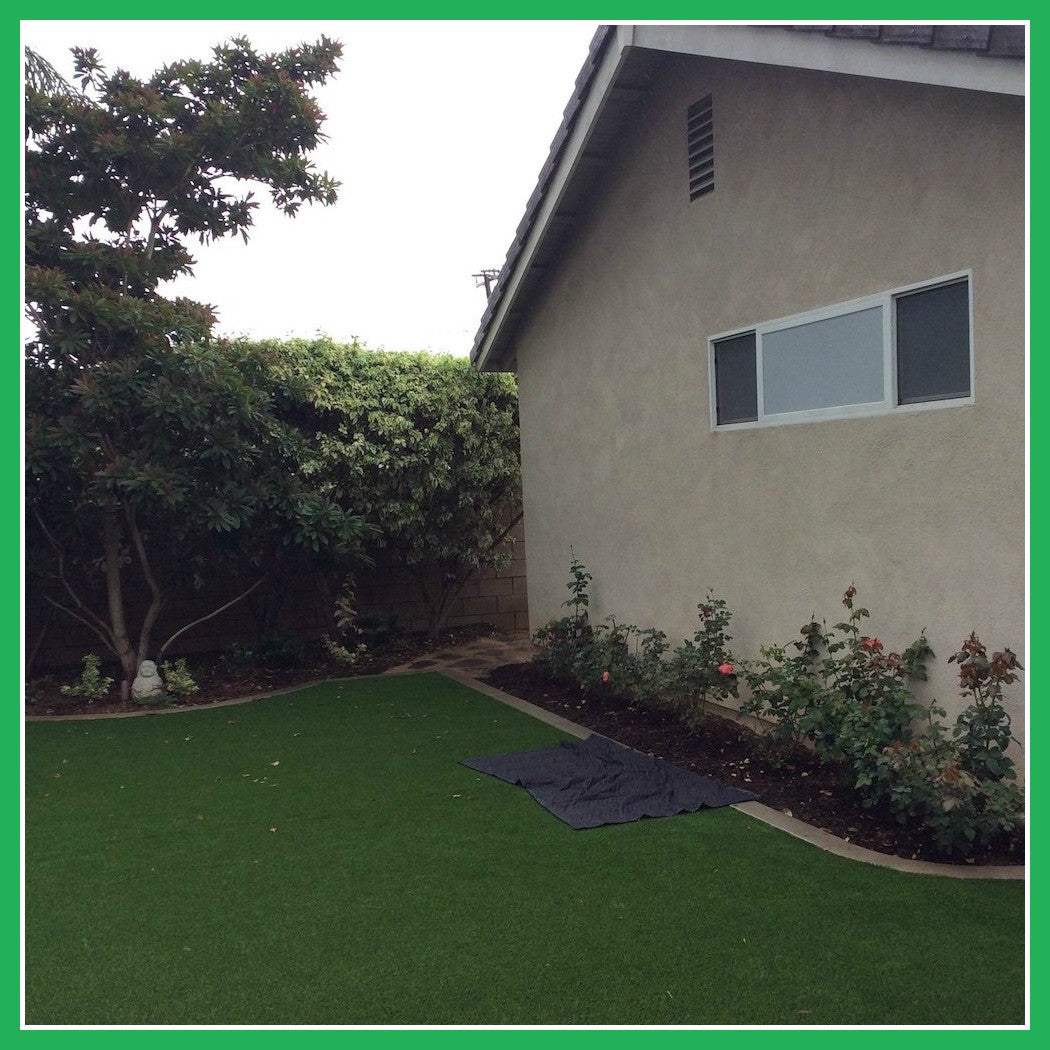
Protect Your Artificial Turf, Natural Grass and Vinyl Siding from Reflection Damage

Turf Guard Window Film is an Affordable Do-It-Yourself Window Film Solution

Related Posts

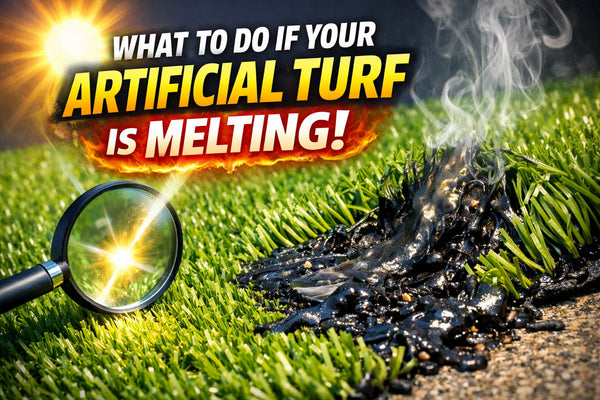
What To Do If Your Artificial Turf Is Melting
Artificial turf is designed to be durable, low maintenance, and resistant to weather. So when homeowners start noticing melted lines, shiny patches...
Read More
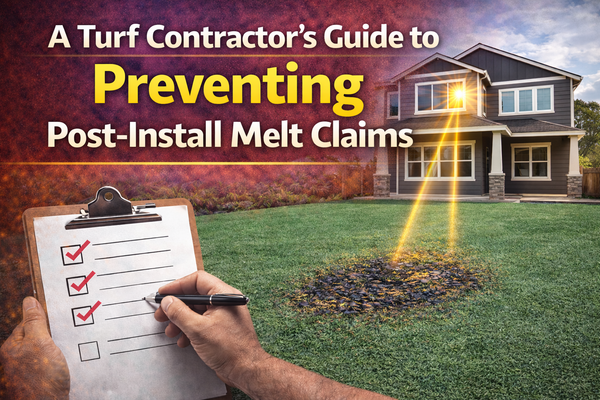
A Turf Contractor’s Guide to Preventing Post-Install Melt Claims
Artificial turf should be a low-maintenance, high-margin upgrade for homeowners. But in hot-climate markets like Arizona, Nevada, Texas, and Califo...
Read More
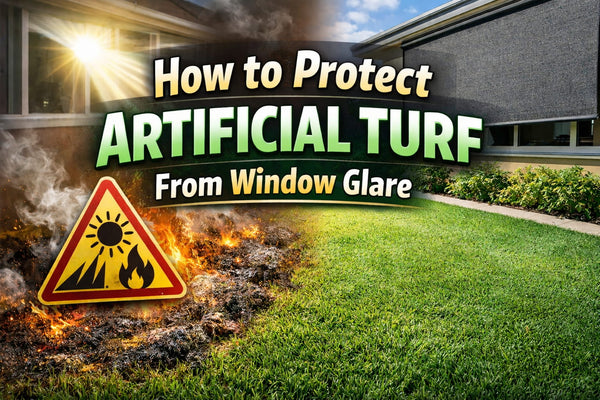
How to Protect Artificial Turf From Window Glare
Artificial turf is designed to withstand heat, sunlight, and heavy use. But many homeowners are surprised to discover that their artificial grass c...
Read More
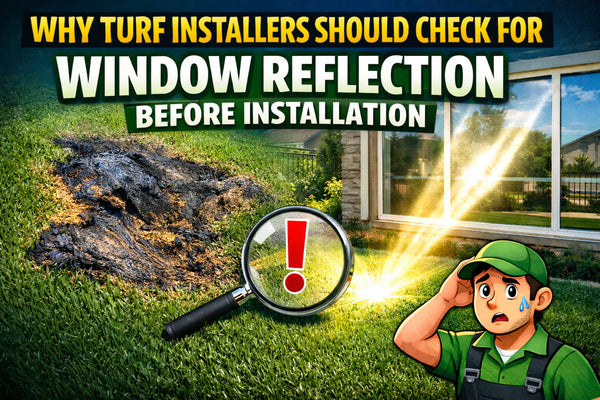
Why Turf Installers Should Check for Window Reflection Before Installation
Installing artificial turf is supposed to be a long-term upgrade: low maintenance, water savings, clean aesthetics, and durability in extreme heat....
Read More
Are Home Windows Melting Your Artificial Turf?
If your artificial grass is melting in straight lines, shiny patches, or strange circular patterns, you might assume: The turf was defective Th...
Read More
What Is Low-E Glass and Why Does It Reflect Heat?
If you’ve ever wondered why your artificial turf, siding, or patio furniture is melting, even when the weather doesn’t seem extreme, the answer may...
Read More
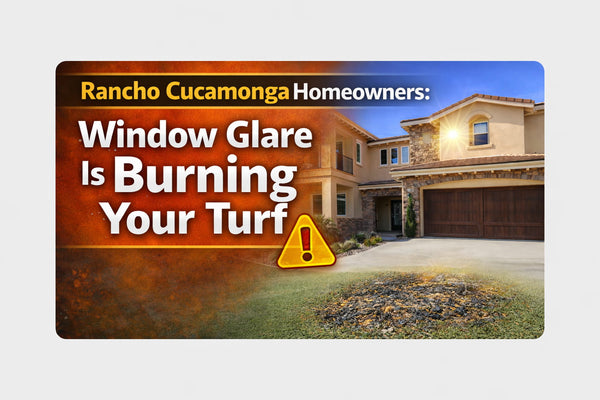
Rancho Cucamonga Homeowners: Window Glare Is Burning Your Turf
You installed artificial grass to avoid brown patches, high water bills, and constant maintenance. So when you start seeing melted streaks, shiny p...
Read More
Burn Marks on a New Turf: Why It Happens and How to Stop It
Installing a new artificial lawn is supposed to be the end of brown patches, dead spots, and constant maintenance. So when homeowners start noticin...
Read More

Leave a comment

Please note, comments must be approved before they are published