🛑 STOP Your ARTIFICIAL TURF from MELTING 🔥 Do-It-Yourself Window Film Solution 😎

Is Your Synthetic Grass Safe Enough for Your Household?

The popularity of the synthetic grass is increasing, especially in areas where growing and maintaining green grass is close to impossible. But, is this alternative to natural grass really safe?

One of the most important factors to consider when getting a product is its risk. Let’s take a closer look at the raw materials in making a synthetic lawn, specifically the turf infill.

  • Crumb Rubber

Old car tires are recycled and shredded to produce infill for artificial grass. This is known as crumb rubber. Heavy duty crumbs can endure large foot traffic.

Utilization of crumbs has already stirred debates for years. Although environmental groups are in favor of reusing old tires, they were still concerned of the harmful contaminants that the rubber can release when broke down.

According to studies, crumb rubber is safe and can be used by kids and pets. The breakdown consists of only a small amount of harmful contaminants. Moreover, the release of chemical components is very little even when exposed to extreme weather conditions.

  • Sand

Sand is the least expensive option for infill. However, it can become compressed when wet. It can also hold your pet’s urine odor when not rinsed regularly. In this case, it’s best to use a silica sand as it doesn’t hold urine odor.

  • Chip or Pea Gravel

This is the safest infill for a synthetic grass. Its material is made of stone so it doesn’t release any harmful chemicals, doesn’t break down, and is sustainable. The texture of the chip or pea gravel is firmer compared to other turf infill so it will not easily be blown by the wind or carried by water runoff.

  • Mixed

Some companies would combine stones and sand to create extremely durable infill. For crumb rubbers, a slight discoloration occurs when it comes into contact with your skin.

Aside from the turf infill, manufacturers also use polypropylene, polyethylene, and nylon for the grass fibers.

Extensive research was made before the product was allowed to be used in commercial and residential areas. Also, companies are required to meet the guidelines and standards before they are approved to sell the artificial turf.

Government health agencies are responsible for evaluating and measuring the chemical concentrations on turf products. The use of synthetic grass is safe and doesn’t pose a major risk to your health and the environment. Unlike natural grass, it doesn’t use weed killer, herbicides, pesticides, and fertilizers. 

Generally, the safety and the risk of the synthetic grass depends on the raw materials used by the manufacturers. So make sure you conduct a thorough investigation or check the reviews first before getting a synthetic turf to ensure that it is indeed safe for your household.
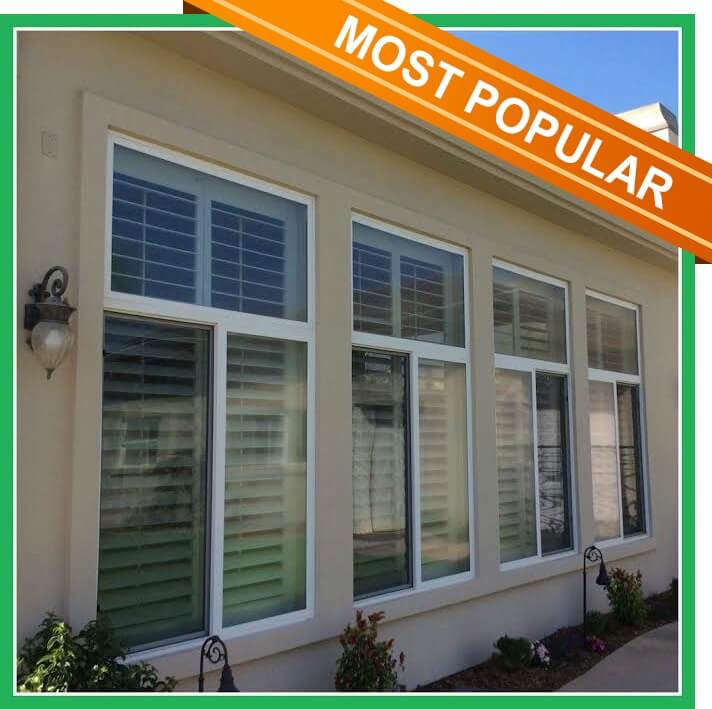
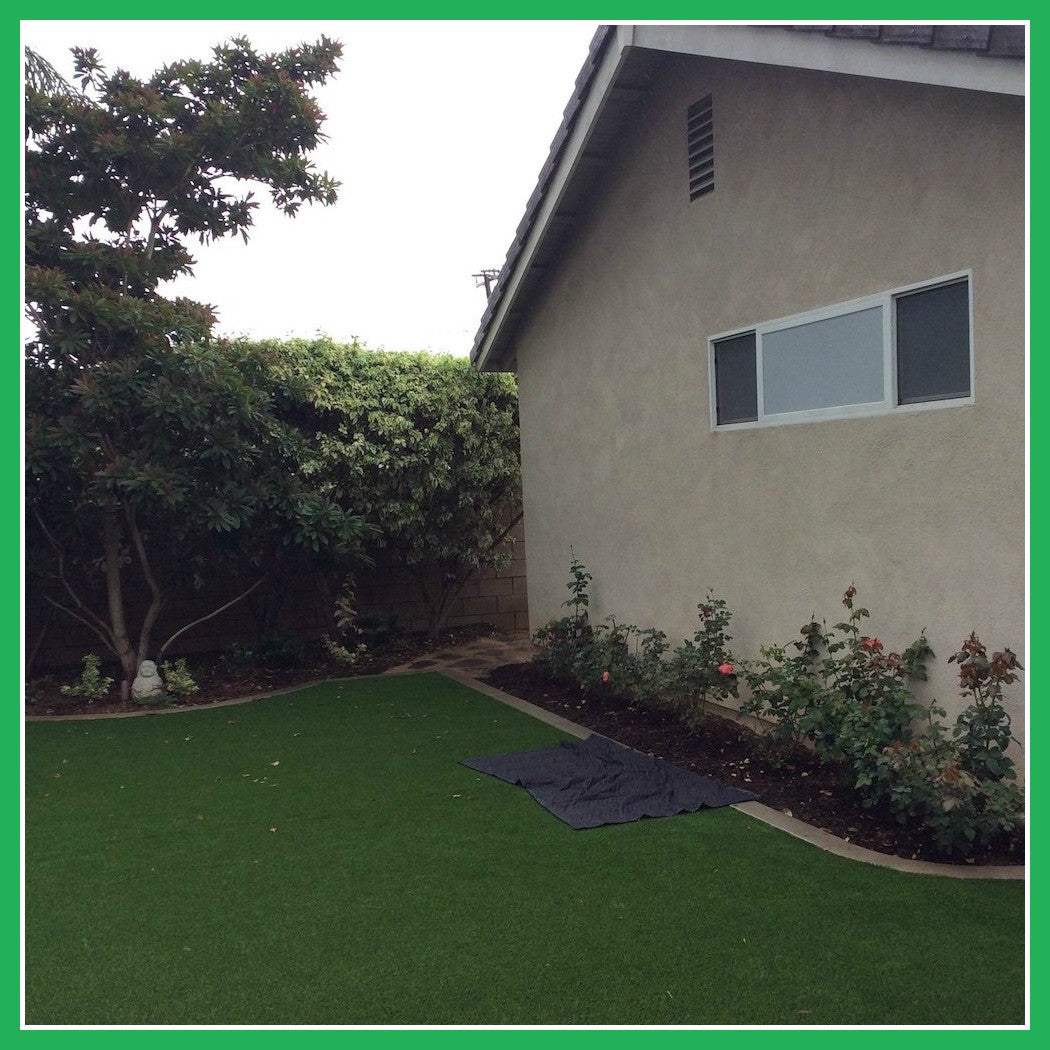
Protect Your Artificial Turf, Natural Grass and Vinyl Siding from Reflection Damage

Turf Guard Window Film is an Affordable Do-It-Yourself Window Film Solution

Related Posts

Real Homeowner Experiences: Artificial Turf Installation, Upsides and Downsides
If you’re considering artificial turf for your yard, you’re not alone. Homeowners across the country have been making the switch from natural grass...
Read More
What Damages Artificial Turf? The Most Common Causes (and How to Prevent Them)
Artificial grass is known for being durable, low-maintenance, and long-lasting. But “durable” doesn’t mean indestructible. Homeowners are often sur...
Read More
Synthetic Grass Pros and Cons: What Homeowners Should Know Before Installing
Synthetic grass has become a popular alternative to natural lawns, especially in hot, dry climates where water conservation and low maintenance are...
Read More
How to Prevent Artificial Grass Fading in Arizona’s Intense Sun
Arizona sunshine is one of the biggest reasons homeowners choose artificial grass. No mowing, no watering, and a green lawn year-round sounds perfe...
Read More
How to Maintain Artificial Grass (Plus the Hidden Care Tip Most Homeowners Miss)
Artificial grass is popular because it looks great year-round with far less upkeep than natural grass. But “low maintenance” doesn’t mean “no maint...
Read More
What Is Turf Guard Window Film and How Does It Prevent Turf Melting?
If your artificial turf is melting, shrinking, or discoloring, especially in straight lines or concentrated hot spots, the turf itself is rarely th...
Read More
How Scottsdale’s Heat and Water Restrictions Drive Artificial Turf Demand
Artificial turf has become increasingly common across Scottsdale, and it’s not just a design trend. The combination of extreme heat, limited rainfa...
Read More
Why Artificial Turf Melts in Scottsdale: How Windows and Sun Reflection Cause Turf Damage
Artificial turf has become a popular landscaping solution in Scottsdale due to extreme heat, limited rainfall, and water conservation priorities. B...
Read More

Leave a comment

Please note, comments must be approved before they are published