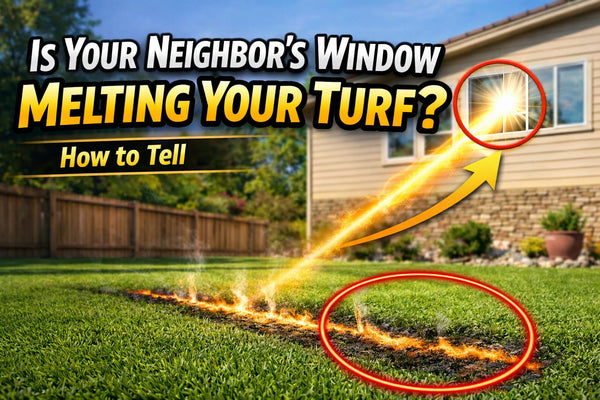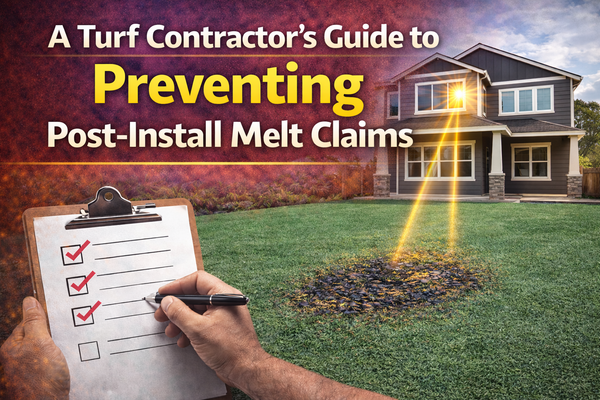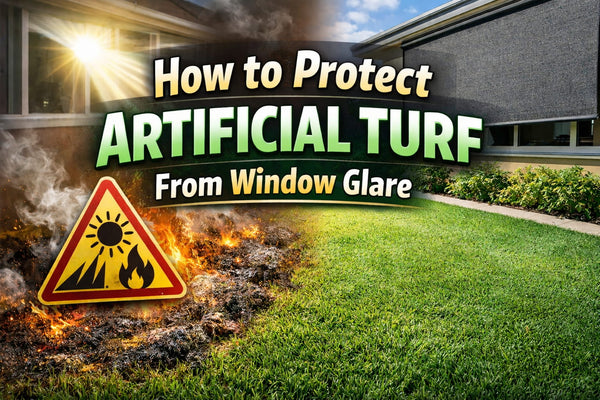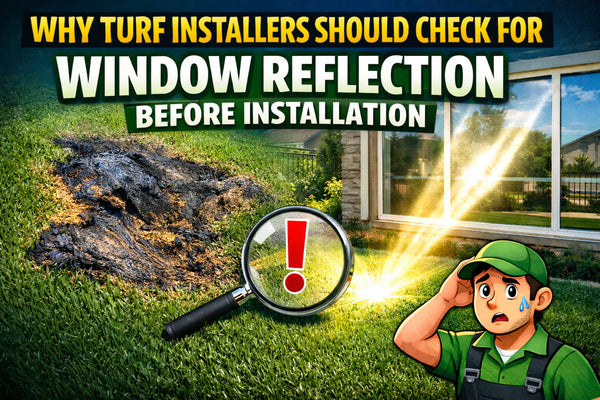
Vinyl siding is the most fragile siding. Aside from the fact that it becomes brittle when exposed to cold weather; it also melts when exposed to extreme heat.Some notable heat sources that can possible reach the melting point of vinyl are grilling equipment and window light reflections. When your vinyl reaches it melting point, you may consider calling a repair technician to fix it for you.
But asking for help from a repair technician in dealing with melted vinyl siding is a bit costly. Why call the repair technician when you know how to replace vinyl siding yourself?
Here are the DIY ways in dealing with melted vinyl siding:
Gather Needed Tools and Materials
Before you start dealing with melted vinyl siding, you have to gather the tools and materials first. Here are the tools and materials that you might need for melted siding repair:
- Section of matching vinyl siding
- Zip tool
- Tin snips
- Pry bar
- Galvanized nails
Get Replacement Vinyl Siding
Get replacement siding that matches the color of your current vinyl siding. You can use the leftover from your initial installation, if there is any. If it is not available, then you can buy a new one in the nearest store in your area.
But looking for the color that will match your current vinyl siding might be a problem. However, there is an online site that can help you find the correct color. Identify the vinyl siding lifespan first before purchasing one.
Unlock the Vinyl Siding
Use a zip tool to unlock the vinyl siding above and below the damaged area. This is very important because you will not be able to remove the damaged area without doing so.
Remove Nails
Now that you have disconnected it from top to bottom, the vinyl siding is now flapping free. Remove the nails that hold the strip directly above the damaged area through using a pry bar.
Remove the Damaged Area
Cut the damaged area of vinyl siding. Cut with caution to avoid cutting the vinyl siding below and above the damaged area.
Install Replacement Vinyl Siding
Cut out the replacement vinyl siding. Make it three inches longer than the one you have removed to allow overlapping on both ends.
Relock New Vinyl Siding
Once you have finished installing the new patch, you need to relock the top edge of the vinyl siding by using a zip lock.
Dealing with melted vinyl siding might be easy but preventing it is the best and lasting solution. Window reflection is the most common cause of melting, so you must know how to stop window reflection from melting your siding. From all the options available, the easiest and less expensive choice is a window film. Visit our website and try looking at our Siding Guard Window Film. It is one of the best solutions available in the market.