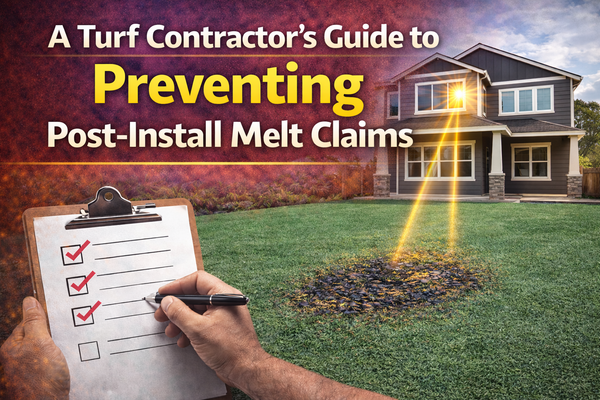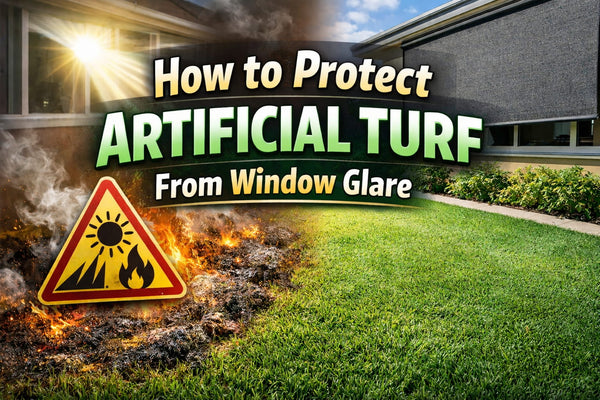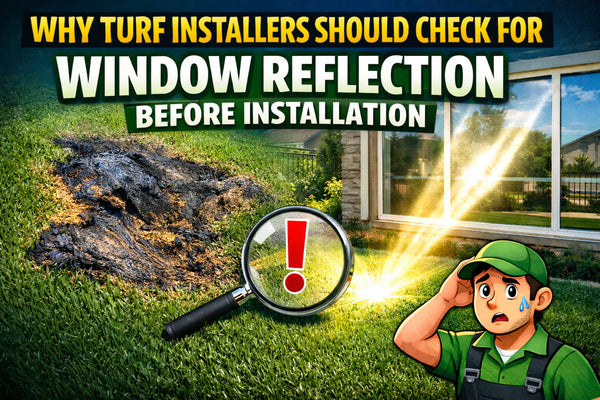
Vinyl sidings are home fixtures primarily made from PVC or polyvinyl chloride. These are plastic exterior materials that can be used for home decoration, as well as protection, particularly for weatherproofing. Since these are made of plastic, extreme heat can cause them to melt. High temperatures can cause window siding melting, thereby making your home look less pleasant.
It is important to know what causes window siding melting to protect your homes, and prevent warped vinyl and melting vinyl.
What Causes Window Siding Melting?
There are a lot of factors that can cause window siding melting. Barbeque grills or stoves located near the vinyl sidings are just one of the potential heat sources that can cause the latter to melt. There are also combustible materials that can emit high temperature when they catch fire like paper, dry leaves, or flammable trash.
It's easy to be mindful of these heat sources and combustible materials and keep away from your vinyl siding to stop window siding melting. However, there is a bigger heat source that cannot be moved or kept away from your vinyl sidings. The sun is a potent power and light source that could cause severe damage to your home.
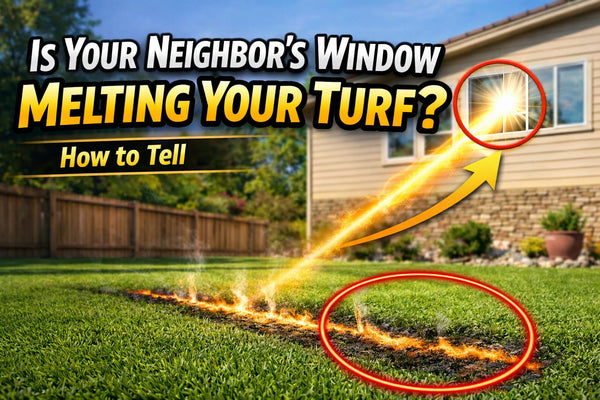
When the sun shines and emits rays, the rays will hit any flat, reflective surface, including your windows. When the sun's rays hit a window, it will reflect and hit other objects, and cause the same damage, or more. If the windows are made of energy-efficient glass, the surface of the windows can amplify the effect of the rays. While energy-efficient windows can reduce window glare, the glass window reflection gets deflected towards vinyl sidings. Because the vinyl melting point is pretty low, this causes window siding melting.
Preventing Vinyl Sidings from Melting
Knowing that window reflection particularly from energy-efficient windows can melt vinyl sidings, it is important to know how this can be avoided or prevented.
One set of prevention can be applied to the windows causing the window siding melting. On the outer window, full screens can be installed to diffuse the sunlight being reflected. For windows that are lower, window awnings will be useful to block the sun. Finally, there are PTI screens that can be installed on the windows. These screens are specifically designed to address the damaging solar heat and solar glare issues in windows.
If your home is encountering the issues with window siding melting, there are ways that you stop the window reflections from damaging your vinyl sidings. You can add a privacy screen to block the rays reflected. There are also landscape buffers that you can plant. Examples of buffers that you might want to try are hedges, trees, and other plants, as well as fences.
Lastly, if your vinyl sidings have already been damaged, replace them while you are installing the window siding melting prevention tips mentioned above. If you are unable to do any of these tips mentioned, your best option is to replace your damaged vinyl sidings with the heat-resistant variety.
Protect your home and your vinyl sidings. Stop window siding melting.